Can You Buy a Home with No Down Payment?
5 December 2025
So, you're dreaming about that cozy little house with the white picket fence, a backyard big enough for a dog (or ten), and maybe a kitchen where you can pretend you’re the next MasterChef? But wait—there’s just one teeny, tiny problem: You have exactly zero dollars saved up for a down payment.
Well, my friend, welcome to the club of "house hunters with empty pockets." The good news? Buying a home with no down payment is possible. The bad news? You might have to jump through more hoops than a circus tiger.
Let’s break it down, shall we? 
What Exactly Is a Down Payment, and Why Do Lenders Love It So Much?
A down payment is basically your way of proving to the bank, "Look, I’m financially responsible!" It's a percentage of the home's purchase price that you pay upfront. Traditionally, lenders like to see at least 20% down. Why? Because it lowers their risk—if you flake out on payments, at least they’ve already pocketed a good chunk of change.But let’s be honest, who has 20% of a home’s price just lying around? Oh right, trust-fund babies. For the rest of us, that’s a massive hurdle.
Luckily, there are ways to get around this annoyingly large upfront cost. 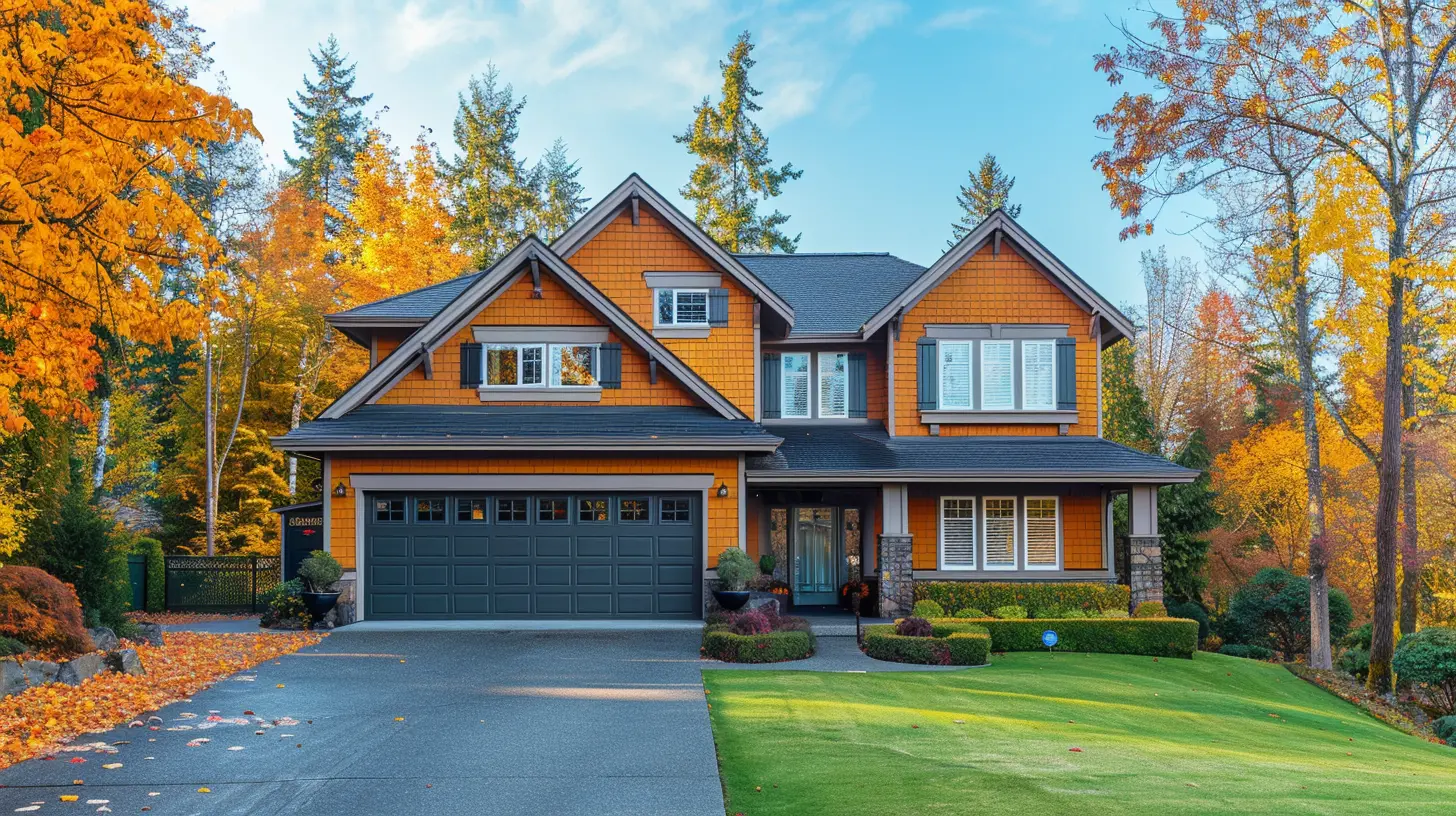
The Magic of No Down Payment Mortgages
Yes, they exist. And no, they aren't a mythical unicorn. There are two main types of loans that allow you to buy a house with zero down payment:1. VA Loans: The Military’s Secret Weapon for Homeownership
If you’ve served in the military (or are currently serving), the Department of Veterans Affairs (VA) wants to thank you in a big way. VA loans allow eligible veterans, active-duty service members, and some surviving spouses to buy a home with no down payment.Sounds too good to be true? Nope. VA loans are backed by the government, meaning lenders are happy to offer them because Uncle Sam is basically co-signing for you.
Perks of VA Loans:
- No down payment required (cue happy dance).- No private mortgage insurance (PMI)—which saves you hundreds of dollars each month.
- Competitive interest rates (lenders aren't trying to rob you blind).
2. USDA Loans: Because the Government Wants You to Live in the Middle of Nowhere
The U.S. Department of Agriculture (USDA) offers home loans for people willing to live in “rural” areas. And before you start picturing yourself milking cows at sunrise, you’d be surprised—many suburban areas qualify as “rural” under the USDA’s definition.Perks of USDA Loans:
- No down payment required (again, cue happy dance).- Lower mortgage insurance costs compared to conventional loans.
- Flexible credit requirements (because not everyone has a perfect credit score).
The catch? You have to meet income limits and buy a home in an eligible location. So, if you’re eyeing a downtown loft in a bustling city, this ain't the loan for you. 
Low Down Payment Mortgage Options (Because Sometimes You Gotta Compromise)
Okay, so maybe you don’t qualify for VA or USDA loans because you’re neither a war hero nor a farmer. That’s fine! There are still some options that allow you to put down less cash than traditional loans demand.3. FHA Loans: The First-Time Buyer’s Best Friend
The Federal Housing Administration (FHA) is like that cool aunt who always lends you money when your parents say no. FHA loans allow you to buy a home with as little as 3.5% down, which sounds a whole lot better than 20%.Perks of FHA Loans:
- Low down payment (starting at 3.5%).- Lenient credit score requirements (because not everyone has a 800+ credit score).
- Easier approval process, making it great for first-time buyers.
The downside? You have to pay mortgage insurance premiums (MIP), which can add up over time. But hey, at least you’re in a house instead of paying your landlord’s mortgage, right?
4. Conventional Loans with Low Down Payment Options
Yes, even conventional loans have started loosening up a bit. Some lenders offer loans with as little as 3% down, thanks to programs like Fannie Mae’s HomeReady® and Freddie Mac’s Home Possible®.Perks of Low Down Payment Conventional Loans:
- Lower interest rates if you have good credit.- No mortgage insurance required once you hit 20% equity.
- More property options (unlike those picky USDA loans).
The fine print? If your credit score isn’t decent, the interest rates and monthly mortgage insurance could be painful. 
Sneaky Ways to Cover Your Down Payment
So, what if 3% down still feels like climbing Mount Everest? Here are some clever ways people scrounge up their down payments:1. Down Payment Assistance Programs (Yes, Free Money Exists!)
Many states, cities, and even employers offer grants or low-interest loans to help buyers with down payments. Some programs even forgive the loan if you stay in the house for a certain period.2. Gifts from Family (A.K.A. The Bank of Mom & Dad)
If your parents are feeling generous, they can "gift" you the down payment. Just make sure they write a formal letter stating the money isn't a loan, because lenders don’t like surprises.3. Side Hustles and Saving Like a Maniac
Uber, freelance work, selling your soul on Etsy—do what you gotta do! Cutting out unnecessary expenses (do you really need another streaming subscription?) can also help you stack up cash faster.4. Borrowing From Your 401(k) (But Only If You Must)
Yes, you can borrow from your retirement savings for a down payment, but tread carefully. If you leave your job, you might have to repay it quickly, or you’ll get slapped with huge penalties.Is Buying a House with No Money Down a Smart Move?
So, we’ve established that yes, buying a home without a down payment is possible. But should you? That’s another question.Pros of Buying with No Down Payment:
✅ You can become a homeowner sooner rather than later.✅ More money stays in your pocket for emergencies and other expenses.
✅ Some programs even cover closing costs.
Cons of Buying with No Down Payment:
❌ Higher monthly mortgage payments—the less you put down, the more you owe.❌ You might need to pay mortgage insurance, which adds to your costs.
❌ Less equity in the home from the start, making it harder to sell if needed.
So, if you’re financially stable and can handle the higher payments, it might be a smart move. But if you’re living paycheck to paycheck, maybe wait a bit and save up some cash.
Final Thoughts
Buying a home with no down payment isn't some wild fantasy—it’s real, and plenty of people do it. Between VA loans, USDA loans, and low down payment mortgage options, the dream of homeownership is possible without draining your bank account.But, like anything in life, it comes with trade-offs. You’ll need to navigate higher monthly costs, mortgage insurance, and potential risks. So, before you jump in, ask yourself: "Am I ready for this, or do I just really hate my landlord?"
Now, go forth and house hunt responsibly!
all images in this post were generated using AI tools
Category:
Real Estate FinancingAuthor:

Melanie Kirkland
Discussion
rate this article
2 comments
Thor Henson
While buying a home with no down payment is possible, it's crucial to consider long-term financial implications and ensure you're prepared for future expenses.
December 14, 2025 at 1:23 PM
Melanie Kirkland
Thank you for highlighting the importance of considering long-term financial implications when buying a home with no down payment. Planning for future expenses is key to successful homeownership.
Chelsea Meyers
Dreams take flight, no down payment needed.
December 6, 2025 at 5:01 AM
Melanie Kirkland
Absolutely! It's inspiring to see how dreams of homeownership can become a reality without the burden of a down payment.