Charming Neighborhoods with Big Real Estate Potential
27 November 2026
Every buyer says they want charm. Very few can define it. That gap between the word and the reality is where money gets made. Charm is one of the most mispriced attributes in real estate because it is emotional, hard to quantify, and often invisible on a spreadsheet. A tree-lined street with a corner bakery and mismatched front porches does not show up in a cap rate analysis, but it absolutely shows up in resale value ten years later.
This article is about finding neighborhoods where genuine charm and genuine upside overlap. Not the postcard towns that already priced in every ounce of their cuteness. The ones where character is real, fundamentals are quietly improving, and the market has not fully caught on yet.
What Charm Actually Means in Real Estate Terms
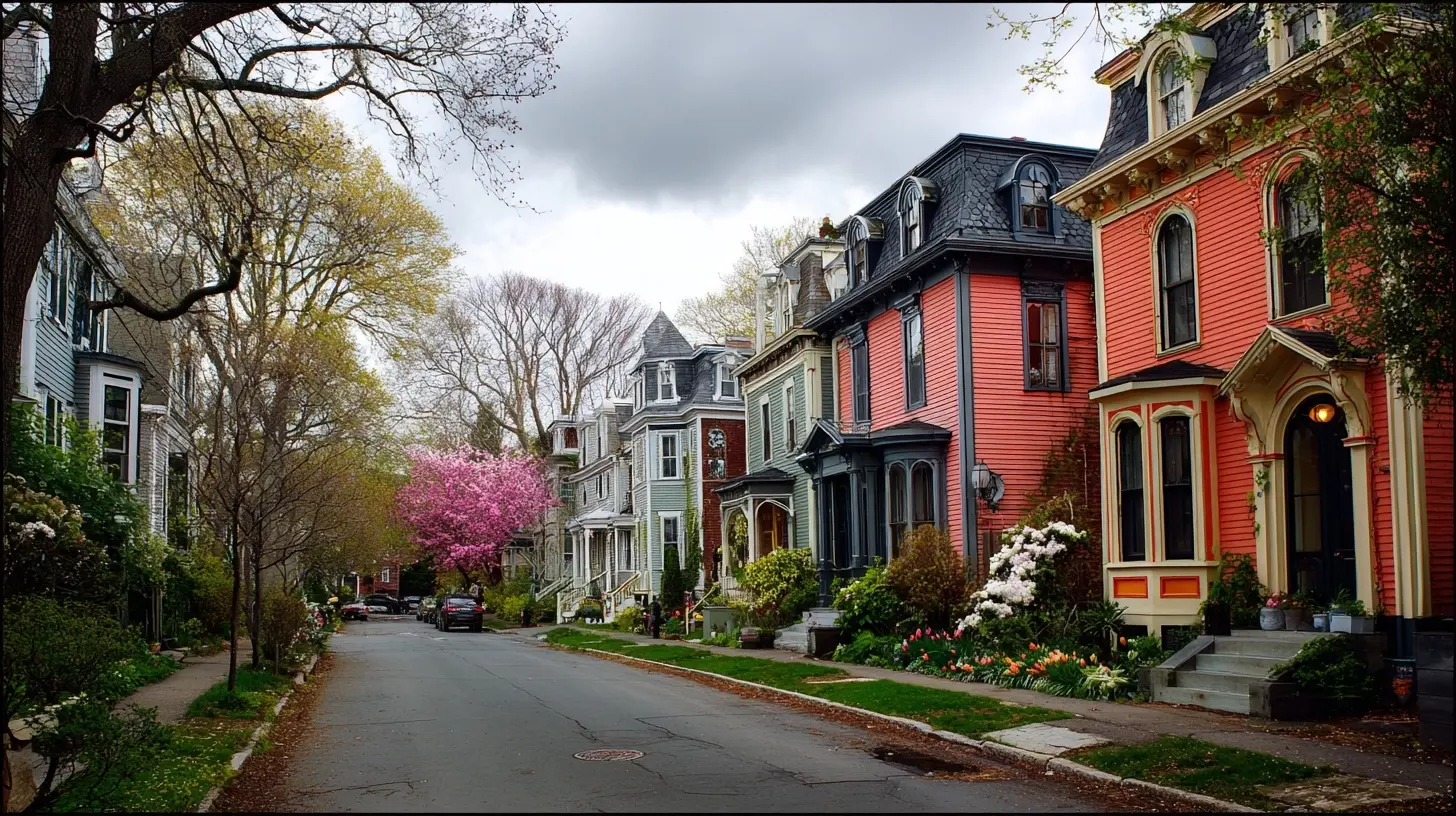
Charm is a proxy for things buyers pay a premium for without naming them. Walkability. Human scale. Architectural variety. A sense of enclosure created by mature trees and consistent setbacks. Social infrastructure like a library, a farmers market, a diner that knows your order.When appraisers talk about "neighborhood appeal," they are gesturing at these factors. When buyers bid $40,000 over asking on a 1920s bungalow while ignoring a newer, larger house two miles away, they are paying for charm.
Here is the practical takeaway: charm is durable demand. New construction can be replicated. A 100-year-old street grid with mature canopy and a functioning main street cannot. That scarcity is what gives charming neighborhoods their long-term price resilience, even in downturns. During the 2008 crash and the 2020 shock, walkable, character-rich neighborhoods generally held value better than car-dependent exurbs, though the gap varied by metro, so treat this as a pattern rather than a law.
Why Charm Alone Is Not Enough
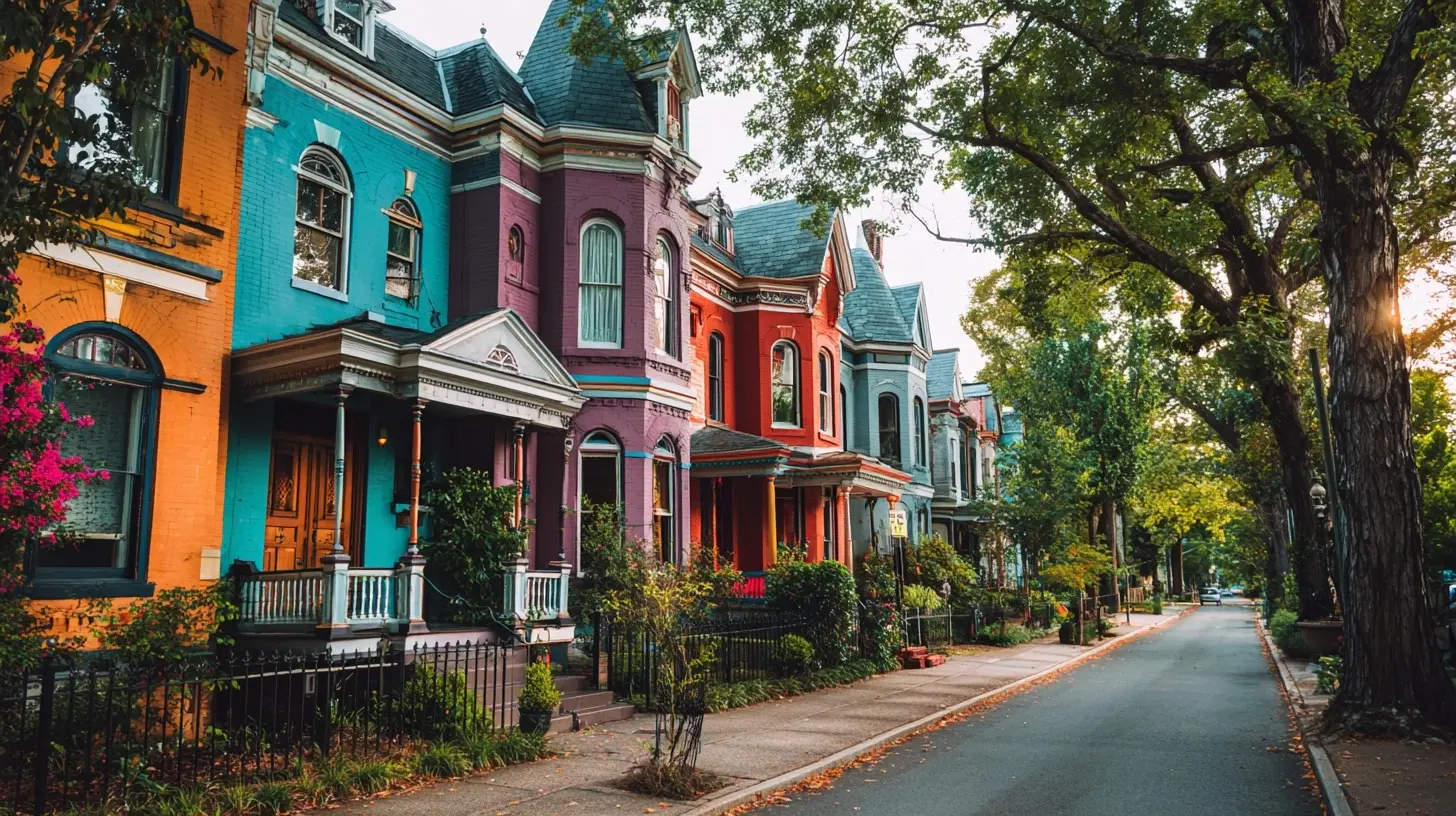
Plenty of charming neighborhoods never appreciate. I have seen gorgeous Victorian blocks in towns with shrinking employment, and they stay cheap for decades. Charm without demand drivers is just nostalgia with a mortgage.The neighborhoods with real potential share a specific combination:
- Genuine architectural or streetscape character that cannot be built new
- At least one improving demand driver: job growth, transit investment, a university, a hospital, migration patterns, or a nearby neighborhood that already got expensive and is pushing buyers outward
- A livable baseline: safety trends moving in the right direction, functioning utilities, reasonable commute options
- Supply constraints: historic districts, geography, or lot patterns that limit new competing inventory
- Signs of incoming investment: coffee shops, small-scale renovation permits, younger households moving in
Miss the demand driver and you bought a pretty house in a stagnant place. Miss the supply constraint and new construction will cap your upside. Miss the safety trend and you will struggle to sell.
The Overlooked Adjacent Neighborhood
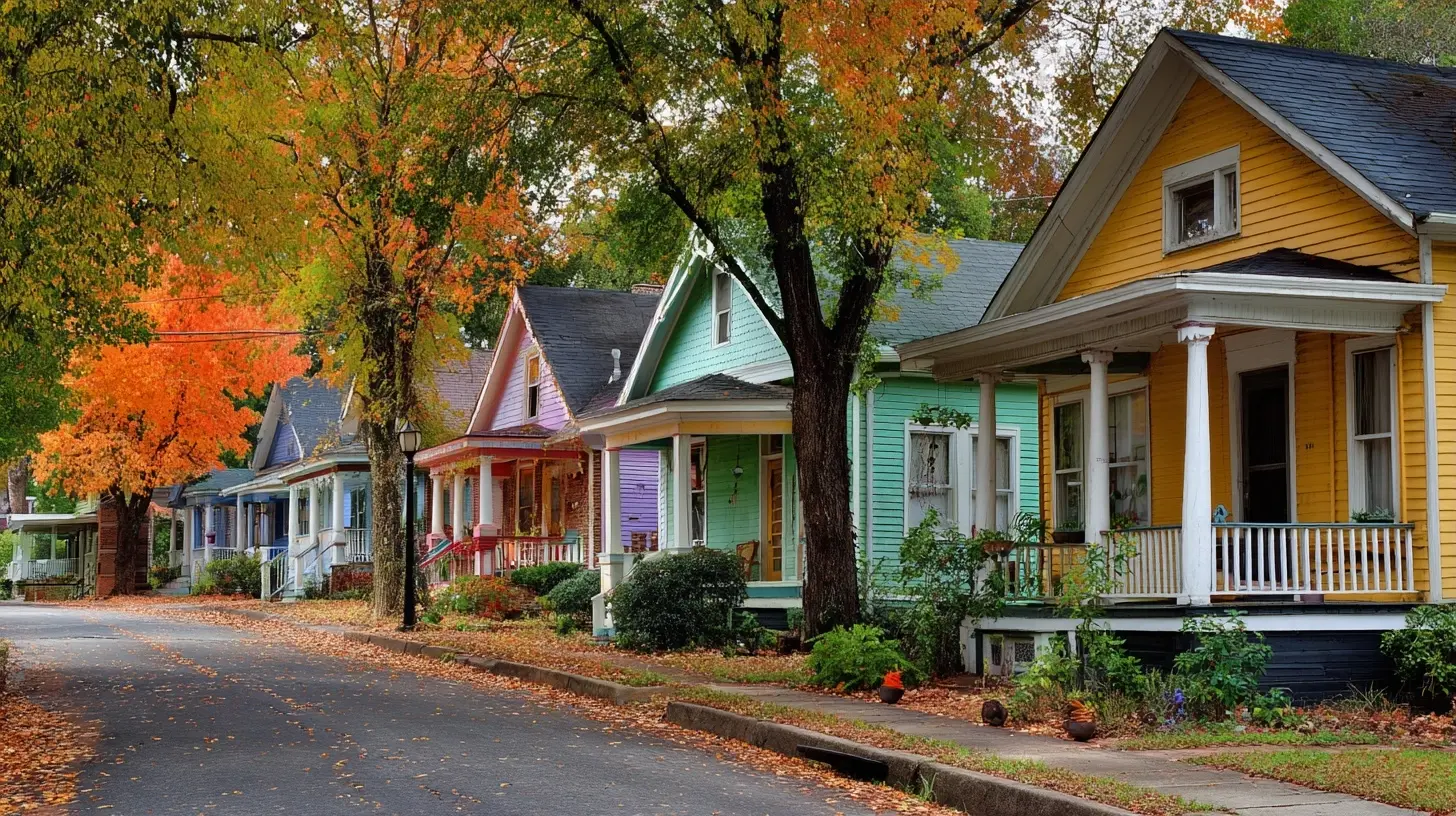
This is the single most reliable pattern in residential investing. Expensive neighborhoods radiate. When a beloved walkable district gets priced out of reach, buyers do not stop wanting walkability. They move one ring outward. The neighborhood next door, historically less fashionable, absorbs that spillover.How to spot it: Identify the most expensive charming neighborhood in a metro. Then look at the adjacent neighborhood with the same street grid, similar housing stock, and a worse reputation or rougher commercial corridor. If renovation activity is picking up and the price gap to the expensive neighbor is wide, you are looking at the classic setup.
Why it works: Buyers are not just buying a house. They are buying proximity to something they cannot afford directly. The adjacent neighborhood offers the same access at a discount. As the gap closes, early buyers capture the difference.
The trade-off: You are buying before the amenities arrive. For a few years you may live with a shabbier main street, fewer restaurants, and more noise. That discomfort is the price of the discount. If you cannot tolerate transitional conditions, this strategy is not for you.
Common mistake: Buying the cheapest house on the worst block and assuming the whole area will lift equally. Improvement is usually block by block and follows commercial corridors and transit. Two streets can behave like different markets.
Small-College Towns with Real Economies
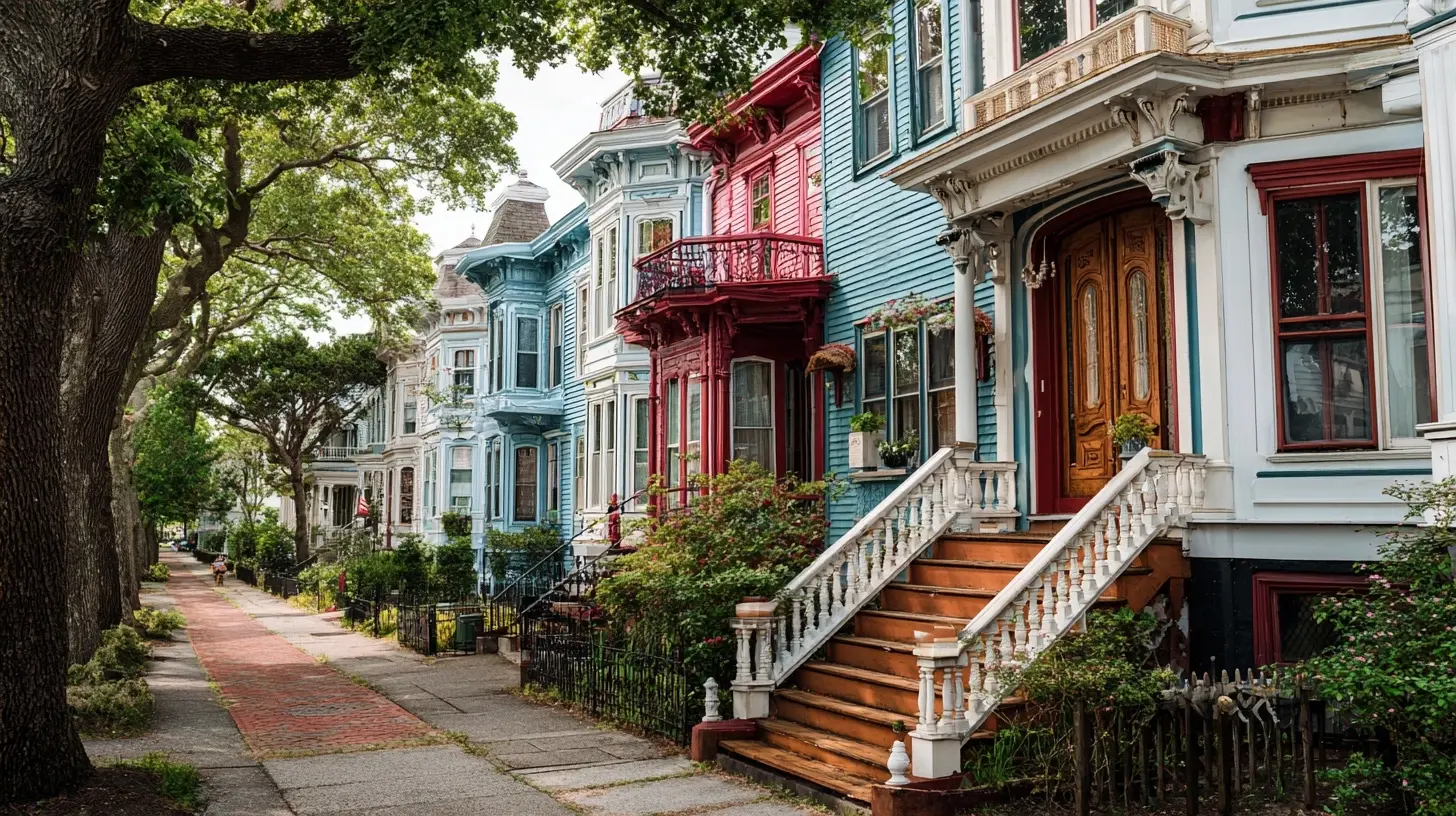
College towns get dismissed as transient or overpriced, but the ones with diversified local economies deserve a closer look. A university provides recession-resistant employment, cultural amenities, and a steady stream of renters. The charm comes free: historic campus architecture, walkable downtowns, bookshops, and old housing stock with personality.The key distinction is between towns where the college is the economy and towns where the college is one pillar among several. A town with a university plus a hospital system plus some light manufacturing or a regional corporate presence has a far more stable demand base than a pure college town. Enrollment swings can hurt the latter badly.
What to check before buying:
- Enrollment trends over the past decade
- Whether the hospital or major employers are expanding
- Rental demand from graduate students, staff, and medical residents, who tend to be stable tenants
- Local politics around growth, since college towns often have strict development rules that limit new supply and support prices
Those development restrictions are a double-edged sword. They protect charm and prop up values, but they also make it hard to add housing, which can push prices to levels that strain local incomes and eventually cool demand.
Historic Districts Before the Designation
A formal historic designation typically does two things: it restricts what owners can change on the exterior, and it signals permanence. It often lifts values because buyers know the streetscape is protected. But by the time designation is news, prices have usually moved.The opportunity sits just before and just after. Before: a neighborhood with obvious historic character and an active preservation conversation, where designation is plausible but not certain. After: the fringe blocks just outside a newly designated district, which inherit proximity to protected charm without the renovation restrictions.
Why the fringe works: You get the visual benefit of the district and the flexibility to modernize. You also avoid the permitting friction and cost premiums that come with regulated properties. Some buyers specifically prefer this, which supports demand.
The risk: Designation is not guaranteed. If you buy expecting it and it never happens, you paid for a rumor. Treat any pre-designation premium as speculative, and only pay it if the house works for you regardless.
Mill Towns and Industrial River Towns in Transition
Across the American Northeast and Midwest, there is a recurring story: a river town with handsome 19th-century housing stock, a defunct or repurposed industrial base, and a downtown of solid old commercial buildings waiting for tenants. These places are often extremely charming in a weathered way, and they are often cheap.The ones with potential usually share a few traits. They sit within commuting distance of a stronger job center. They have a riverfront or trail network that has been invested in. They have a small but visible creative class, often priced out of bigger cities. And they have housing stock that would cost several times more elsewhere.
Why this works when it works: Remote work loosened the tie between where people live and where they earn. A household with a big-city salary and a small-town mortgage can renovate a Victorian for less than a down payment in the city. That inflow of higher-income residents supports local business and lifts property values.
Why it fails when it fails: The remote-work inflow is thinner and more fragile than it looks. If the job center nearby declines, or if the town cannot fix basic services, the charm becomes a liability. Flood risk matters enormously in river towns, and insurance costs have risen sharply in many flood-prone areas. Check flood maps and insurance quotes before you fall in love with a river view.
Streetcar Suburbs and Early Postwar Grids
These are the neighborhoods built roughly between 1890 and 1950 on the edges of older cities. They were designed for walking and transit, with small lots, garages in back, mature trees, and a mix of housing types. Many fell out of fashion in the late 20th century and are now being rediscovered.Their advantages are structural. The street grid is connected, so they walk well. The housing is human-scaled and adaptable. The trees are mature. And crucially, they are usually close to the urban core, which means transit, jobs, and amenities are nearby.
What to look for: Consistent setbacks, intact original details, alleys that keep garages and trash out of view, and a commercial corridor within walking distance. A neighborhood with a walkable main street will outperform an otherwise identical one without it, because the amenity is what buyers actually use.
What to avoid: Blocks where a large share of the housing has been replaced by cheap infill that ignores the original scale. This erodes the streetscape and the charm premium. Also watch for lots that have been subdivided in ways that create parking and drainage problems.
The Amenity Anchor Effect
A single strong amenity can transform a neighborhood's trajectory. A new park, a trail connection, a restored theater, a farmers market pavilion, a library branch. These investments are visible, permanent, and free to use, which makes them powerful demand magnets.The trick is to buy near the anchor before it opens, but only when the surrounding fundamentals are already sound. An amenity cannot rescue a neighborhood with no jobs and no safety. It can accelerate one that is already turning.
Practical approach: Track public capital budgets and park master plans. These are public documents, and they tell you where public money is going years before construction starts. A funded project with a construction date is far more reliable than an announced vision with no budget.
The trade-off: Buying near a future amenity means paying a premium for something you cannot yet use, and projects get delayed or scaled back. If the amenity is the only reason you are buying, you are making a bet, not an investment.
Reading the Signals of Early Momentum
You do not need insider information. You need to walk the neighborhood and look.- Renovation permits filed for small projects, not just flips. Owner-occupants renovating is a stronger signal than investors flipping.
- Coffee shop and bakery openings, which typically follow early residential inflow rather than lead it.
- New households with children, a sign people intend to stay.
- Landscaping and paint, the cheapest and fastest way residents signal pride.
- Vacancy rates on the local commercial corridor trending down.
- Days on market shortening while prices stay flat, which often precedes price growth.
None of these alone is decisive. Together they form a picture. And the picture matters more than any single data point.
Mistakes That Sink Charm Plays
Overpaying for cute. A charming house on a charming street in a neighborhood with no demand driver is a lifestyle purchase, not an investment. Be honest about which one you are making.Ignoring the block. Charm is hyperlocal. The same neighborhood can contain a beautiful block and a rough one. Drive the area at night, on a weekend, and on a weekday morning. Conditions change with the hour.
Underestimating renovation costs on old housing. Historic homes come with knob-and-tube wiring, galvanized plumbing, lead paint, and foundations that have been settling for a century. Get a thorough inspection and budget a contingency of at least 15 to 20 percent on top of estimates. Old-house charm is expensive to maintain.
Assuming charm is permanent. Streetscapes can be degraded by teardowns, bad infill, or loss of tree canopy to disease or storms. Zoning and tree ordinances matter more than most buyers realize.
Chasing someone else's discovery. By the time a neighborhood appears on a list of "up and coming" places, the easy money is usually gone. Use lists to understand patterns, not to pick addresses.
A Framework for Evaluating a Charming Neighborhood
When you find a candidate area, run it through these questions in order:1. Is the charm real and scarce? Could a developer replicate this streetscape in five years? If yes, the premium is fragile.
2. What is the demand driver? Name it specifically. Jobs, transit, a university, migration, or spillover from an expensive neighbor.
3. Is the trend improving? Look at safety data, permits, commercial vacancy, and school enrollment over five to ten years, not one.
4. What limits supply? Historic rules, geography, lot patterns, or zoning. Constraints protect your value.
5. What is the exit story? Who will buy this from you in ten years, and why will they pay more? If you cannot answer, walk away.
Balancing Charm Against Practicality
Charm and convenience are not always aligned. Some of the most charming places have terrible commutes, weak schools, or limited services. Some of the most practical places are aesthetically dull.The honest answer is that most buyers should weight charm as a tiebreaker rather than a primary driver. Buy for fundamentals first: location, condition, price relative to comparable sales, and demand drivers. Then let charm break ties between otherwise similar options. Buyers who invert that order often end up with a beautiful house they cannot sell.
That said, charm has a real and measurable effect on demand durability. In markets where remote work and lifestyle preferences have shifted, walkable, character-rich neighborhoods have attracted sustained interest. Treat that as a trend to weigh, not a guarantee.
Final Thoughts
The best charming neighborhoods with big potential are rarely the ones on the magazine covers. They are the adjacent blocks, the fringe streets, the river towns with good bones, the streetcar suburbs nobody renamed. They require more work to find and more tolerance for transitional conditions. In exchange, they offer something the polished places cannot: an entry price that still leaves room for the market to catch up.Do the walking. Read the permits. Check the flood maps. Ask who will buy from you later and why. Charm is the spark, but fundamentals are the fuel. Get both, and the neighborhood will do the heavy lifting for you.
all images in this post were generated using AI tools
Category:
Neighborhood GuidesAuthor:

Melanie Kirkland