Developing on Brownfield Sites: Risks and Rewards
16 August 2026
Real estate development is constantly evolving, and one of the most intriguing aspects of it is the transformation of brownfield sites. These are previously developed but now vacant or underutilized lands that often come with a complex history—think old factories, warehouses, or industrial plots. While repurposing them sounds like a great idea, is it worth the risk? Let’s break down the potential hazards and the benefits developers can reap from giving these sites a second life.
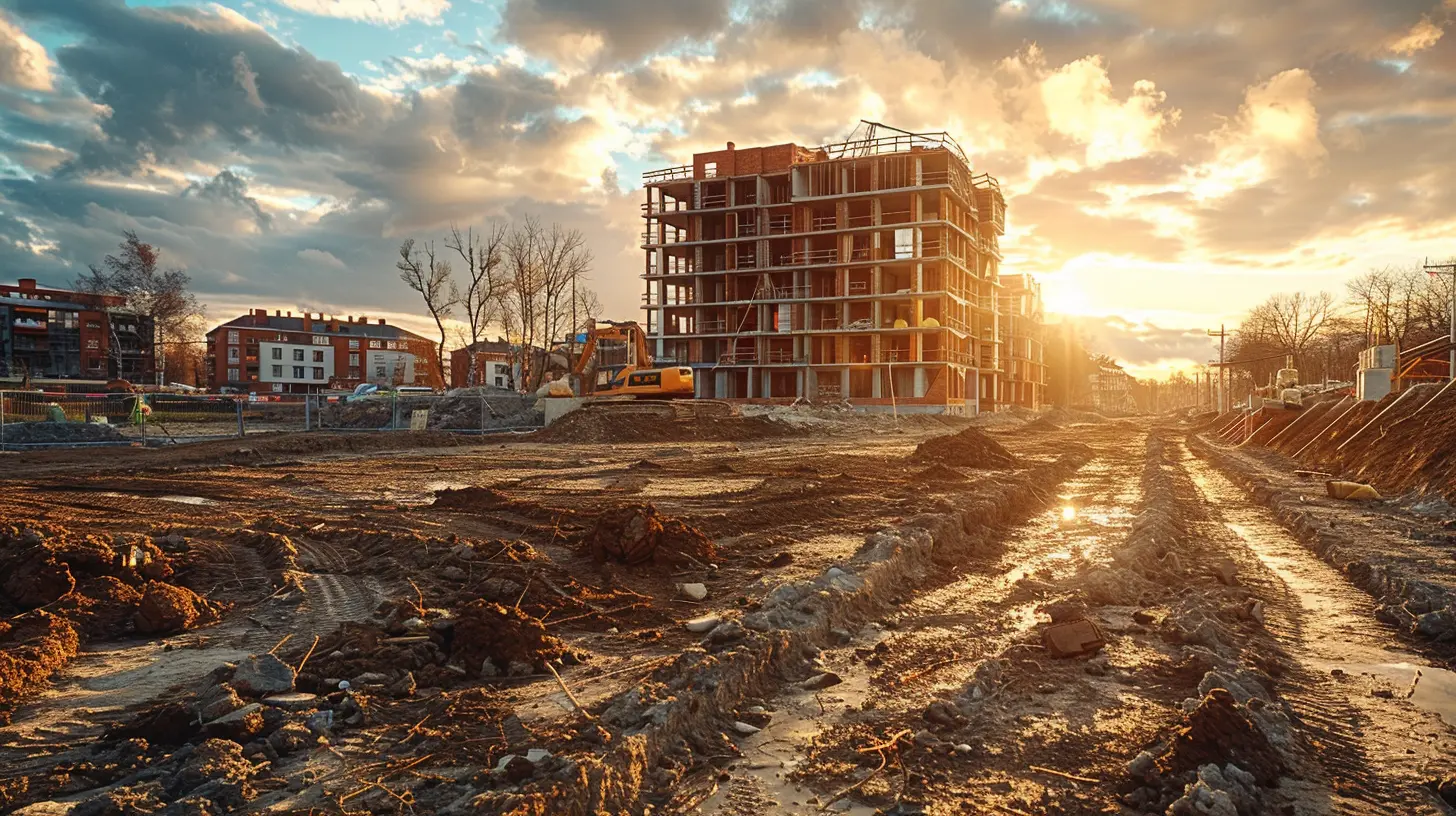
What Exactly is a Brownfield Site?
A brownfield site is essentially land that was used for industrial or commercial purposes in the past but has been left abandoned or underused. These sites often come with environmental contamination concerns—things like oil spills, hazardous waste, or chemical residues. Unlike greenfield sites (untouched land), brownfields require some cleanup before they can be redeveloped.So why do developers even consider them? Well, because they can be hidden gems—located in prime spots with existing infrastructure and untapped potential just waiting to be brought back to life.
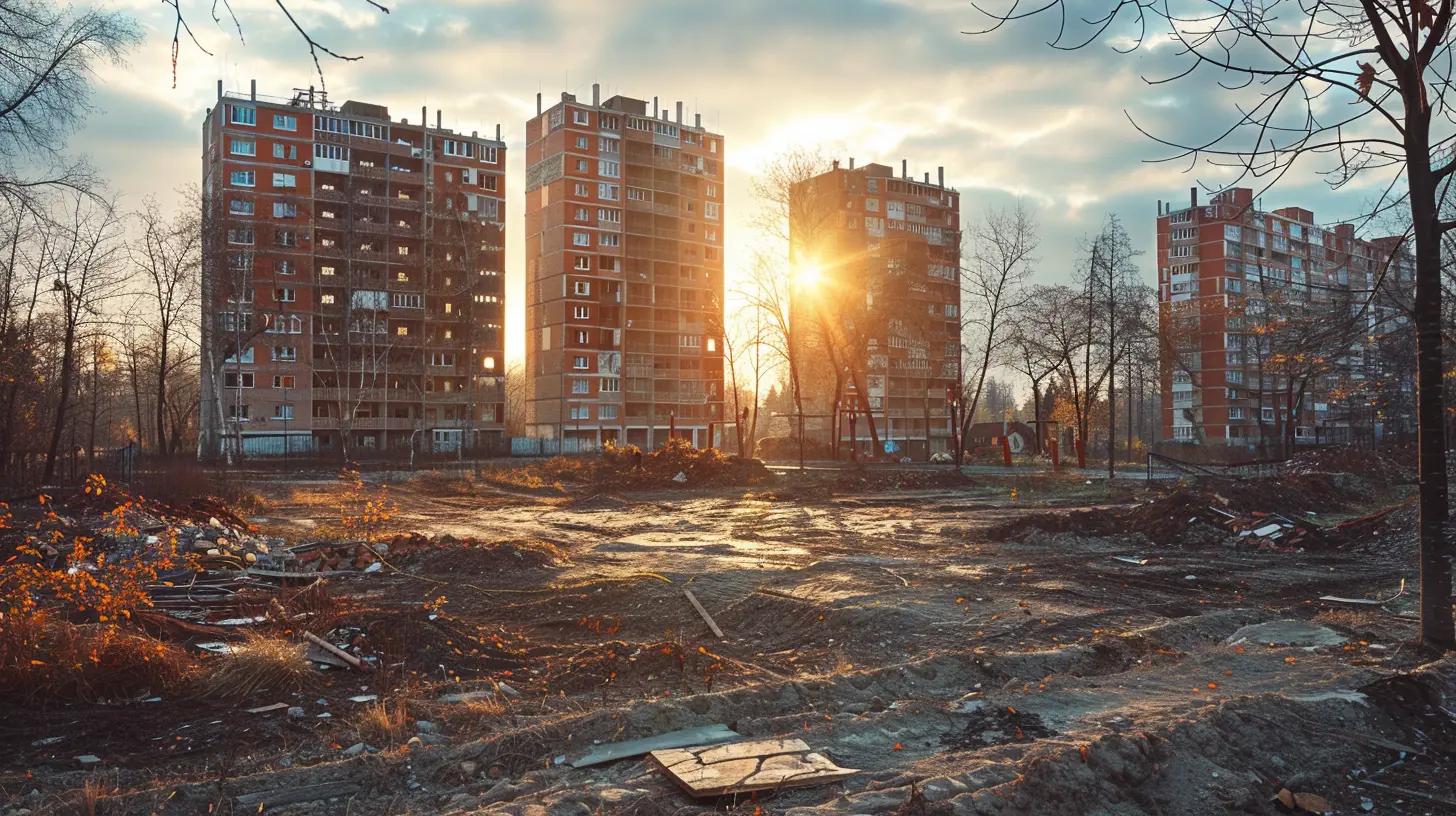
The Risks of Developing on Brownfield Sites
Before jumping into brownfield development, it’s crucial to understand the challenges. These sites come with their fair share of risks, and not every developer is ready to tackle them.1. Environmental Contamination
Probably the biggest drawback of brownfield sites is contamination. Many of these locations housed factories, gas stations, or other industrial facilities that left behind toxic substances like oil, asbestos, or heavy metals. Before any construction can begin, thorough environmental assessments are needed.Cleanup efforts, which may involve removing soil, treating water contamination, or sealing off hazardous materials, can be costly and time-consuming. And let’s be honest—nobody wants to deal with bureaucratic red tape regarding environmental regulations.
2. Regulatory and Legal Hurdles
Speaking of red tape, brownfield projects often involve navigating legal complexities. There may be zoning restrictions, liability concerns over past pollution, and extensive paperwork required for environmental permits. Developers must also comply with local, state, and federal environmental laws, which can slow projects significantly.In some cases, if a site isn't cleaned up properly, developers could even face lawsuits down the road. Not exactly a headache anyone wants to invite, right?
3. Uncertain Costs
With brownfields, development costs can be unpredictable. Unlike greenfield projects where you start on a clean slate, brownfield sites can reveal unexpected surprises during excavation—buried tanks, asbestos, or even structural weaknesses in existing buildings.These unforeseen issues can make budgeting more of a guessing game, with costs potentially skyrocketing beyond original estimates. Developers need to be financially prepared for such surprises and ready to adapt their plans accordingly.
4. Negative Public Perception
Public opinion can also be a challenge. Some communities may resist development on brownfield sites due to concerns about lingering contamination, property devaluation, or even distrust in the cleanup effectiveness. A poor reputation can make it harder to attract buyers or tenants, which could impact a project’s long-term success.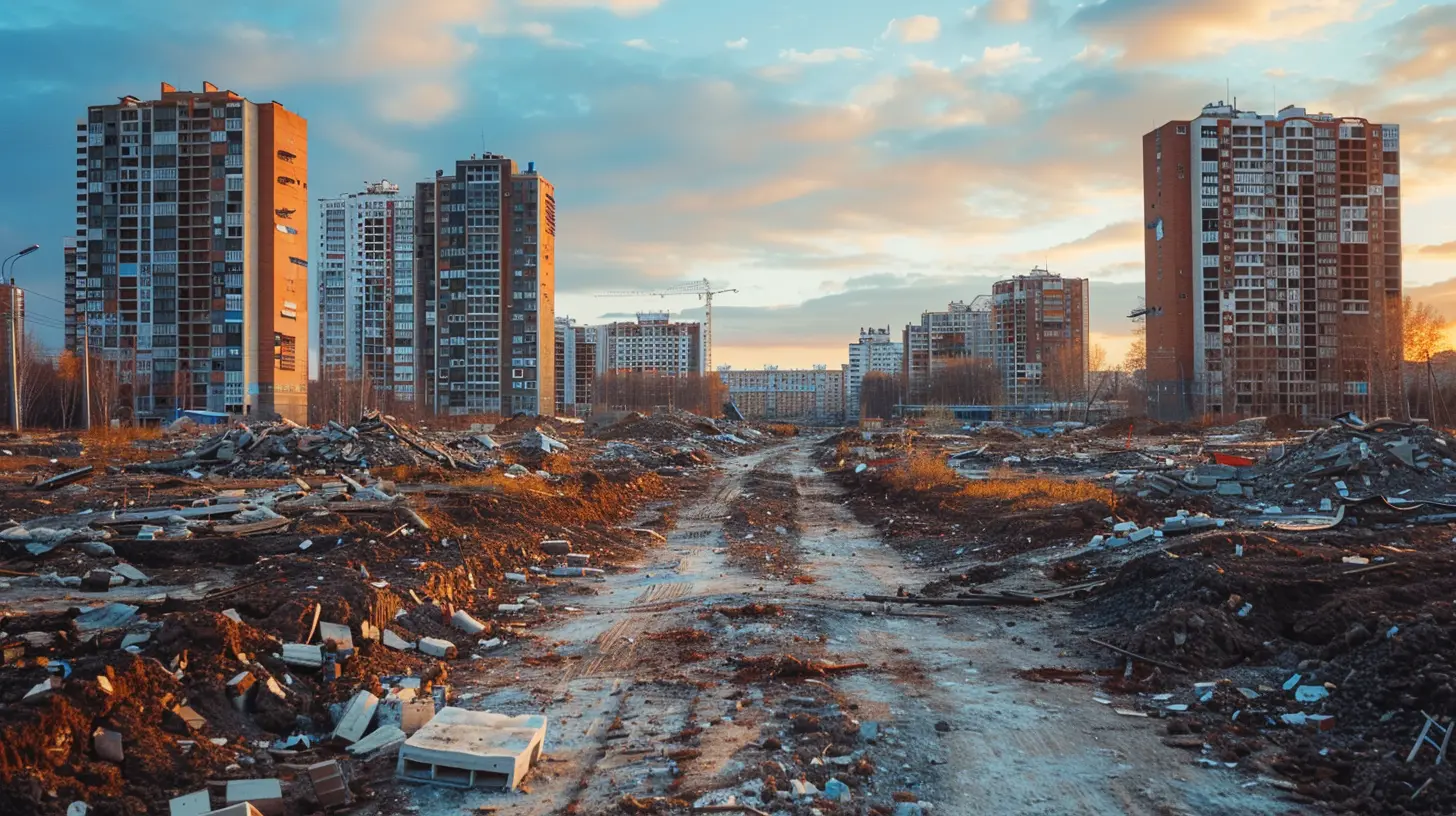
The Rewards of Brownfield Redevelopment
Now, let’s talk about the upside—because despite the risks, brownfield sites offer some serious benefits that make them an attractive option for investors and developers.1. Prime Location
Most brownfield sites are in well-developed areas—near city centers, existing infrastructure, and transportation hubs. Unlike greenfield developments, where you may need to build roads, utilities, and other essentials from scratch, brownfields often come with these facilities already in place.Think about it: an old factory lot in a growing metropolitan area can be transformed into trendy apartments, office spaces, or a shopping district. It's all about the right vision and execution.
2. Government Incentives
Believe it or not, the government wants these sites redeveloped. Federal, state, and even local governments offer financial incentives like grants, tax credits, and low-interest loans to encourage developers to take on brownfield projects.Some programs even provide funding for environmental assessments or remediation costs, making it easier to offset some of the financial risks involved. So, if you play your cards right, you can tap into resources that make redevelopment much more feasible.
3. Boosting Community and Property Value
Transforming an abandoned site into a thriving commercial or residential space can breathe new life into a neighborhood. Instead of being an eyesore or a safety hazard, that space now has jobs, homes, and businesses contributing to the local economy.More importantly, cleaning up a previously contaminated area improves environmental health, making the surrounding land more valuable as well. Property prices can rise, and suddenly, what was once considered a liability becomes a profitable investment.
4. Sustainability and Smart Growth
Reusing brownfields helps curb urban sprawl, which means fewer forests and farmlands getting paved over for new developments. Instead of expanding outward, revitalizing existing spaces keeps cities more compact, making them more efficient and environmentally friendly.Plus, repurposing brownfield sites aligns with sustainability efforts since it promotes recycling land and existing structures rather than starting from scratch. It’s a win-win for both developers and the planet.
Key Considerations for Developers
If you’re thinking about hopping onto the brownfield development train, here are a few things to keep in mind:- Conduct Thorough Environmental Assessments – Never assume a site is safe until proper testing is done. Get expert consultants to assess contamination levels and cleanup requirements.
- Budget for the Unexpected – As mentioned earlier, surprises are common. Have contingency plans (and funds) in place.
- Leverage Government Programs – Look into grants, loans, and tax incentives that can help offset remediation costs.
- Engage the Community – Keeping the public informed and involved can help ease concerns and generate support for your project.
- Plan for Sustainable Development – Think long-term. Green building techniques, energy efficiency, and mixed-use planning can maximize the benefits of your redevelopment.
Final Thoughts
Developing on brownfield sites isn't for the faint of heart. There are real challenges—contamination, costs, and legal obstacles can make it a difficult road to travel. However, for the right developer, the rewards can be immense.With prime locations, government backing, and the ability to transform an overlooked area into something valuable, brownfield redevelopment can be one of the most fulfilling and lucrative investments in real estate. It’s not just about making money—it’s about revitalizing communities and giving forgotten spaces a fresh start.
So, is it risky? Absolutely. But sometimes, the biggest rewards come from tackling the toughest challenges head-on.
all images in this post were generated using AI tools
Category:
Land DevelopmentAuthor:

Melanie Kirkland
Discussion
rate this article
1 comments
Levi McCool
This article offers valuable insights into brownfield developments. It's important to weigh both the risks and rewards carefully. Thank you for sharing this informative piece.
August 27, 2026 at 2:21 AM
Melanie Kirkland
Thank you for your feedback! I'm glad you found the insights valuable. It's definitely a balance between risks and rewards in brownfield development.