The Future of Land Development: Innovations You Should Be Watching
31 August 2026
Land development has always been an evolving industry, but in recent years, it's experiencing some groundbreaking changes. Thanks to technology, sustainability efforts, and emerging trends in urban planning, the way we develop land is looking drastically different from just a decade ago.
Whether you're in real estate, construction, or just fascinated by how our cities are taking shape, it's essential to keep up with these innovations. In this article, we’ll dive into the trends shaping the future of land development and why they matter.
Smart Cities: The Future is Digital
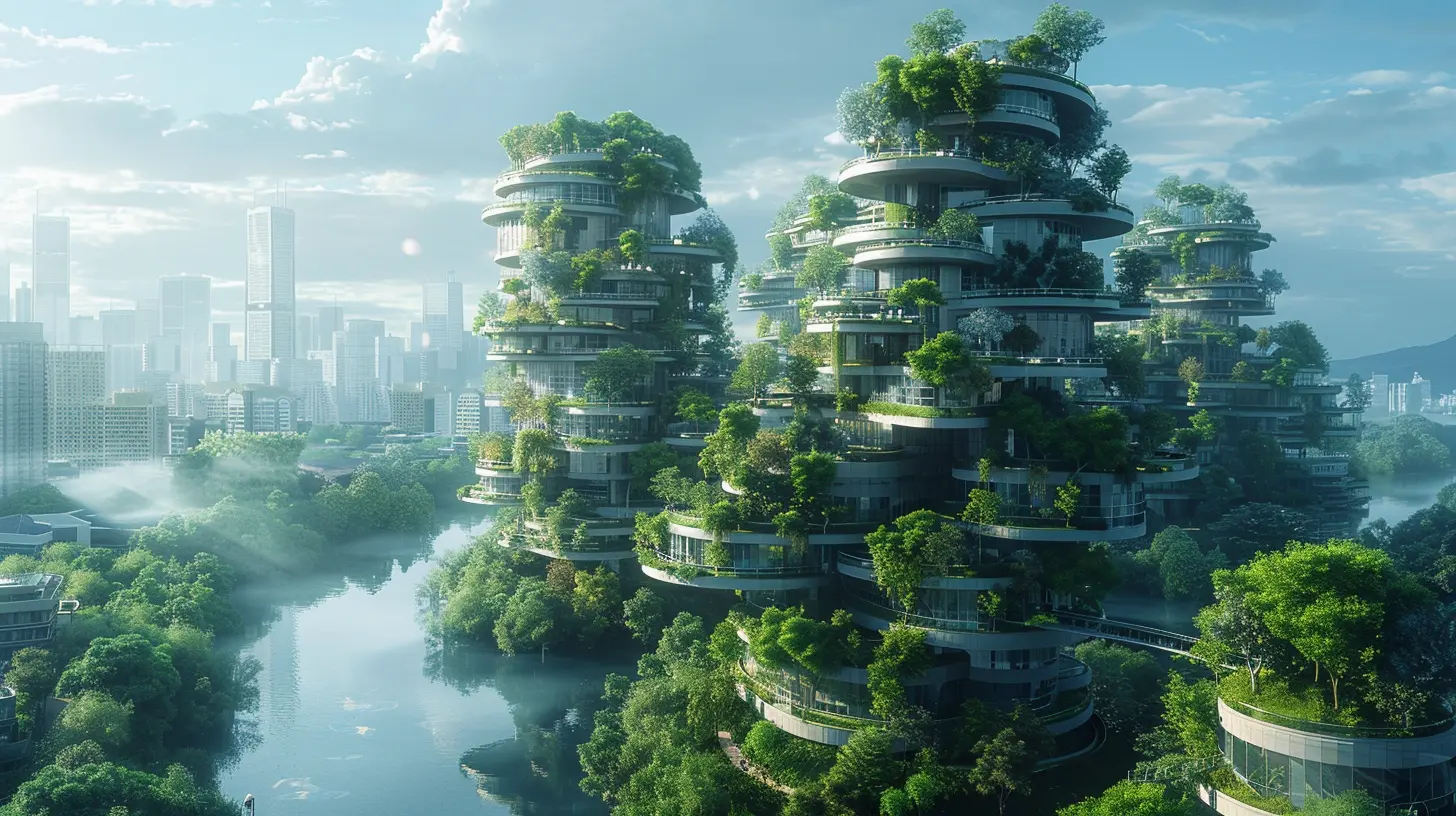
The idea of smart cities is no longer just science fiction—it’s happening right now. From sensor-equipped streetlights to AI-driven traffic systems, technology is making cities more efficient and livable.Internet of Things (IoT) in Land Development
IoT is changing the way land is developed and managed. Smart grids help regulate electricity use, intelligent irrigation systems conserve water, and connected infrastructure improves traffic flow. Developers incorporating IoT into new projects are staying ahead of the curve.AI and Big Data in Urban Planning
Traditional city planning relied on historical data and best estimates. Now, AI and big data are transforming the process by analyzing real-time data to optimize zoning, transportation, and environmental impact. This means fewer bottlenecks, smarter infrastructure, and more adaptive city layouts.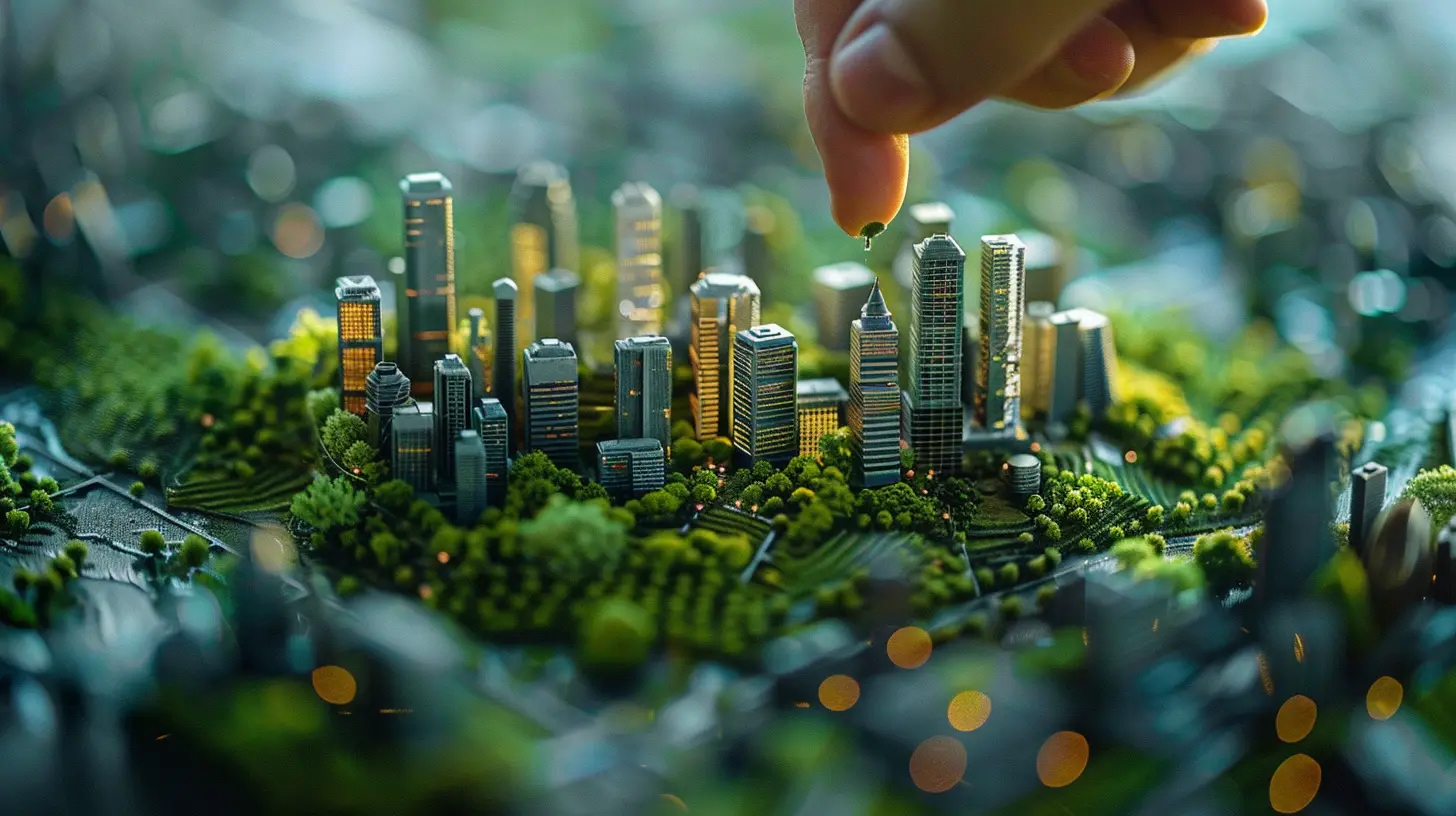
Sustainable Development: Building with the Environment in Mind
Sustainability is no longer optional—it's becoming a necessity. Governments, investors, and homebuyers are all demanding greener solutions, and developers are answering that call.Green Infrastructure and Eco-Friendly Building Materials
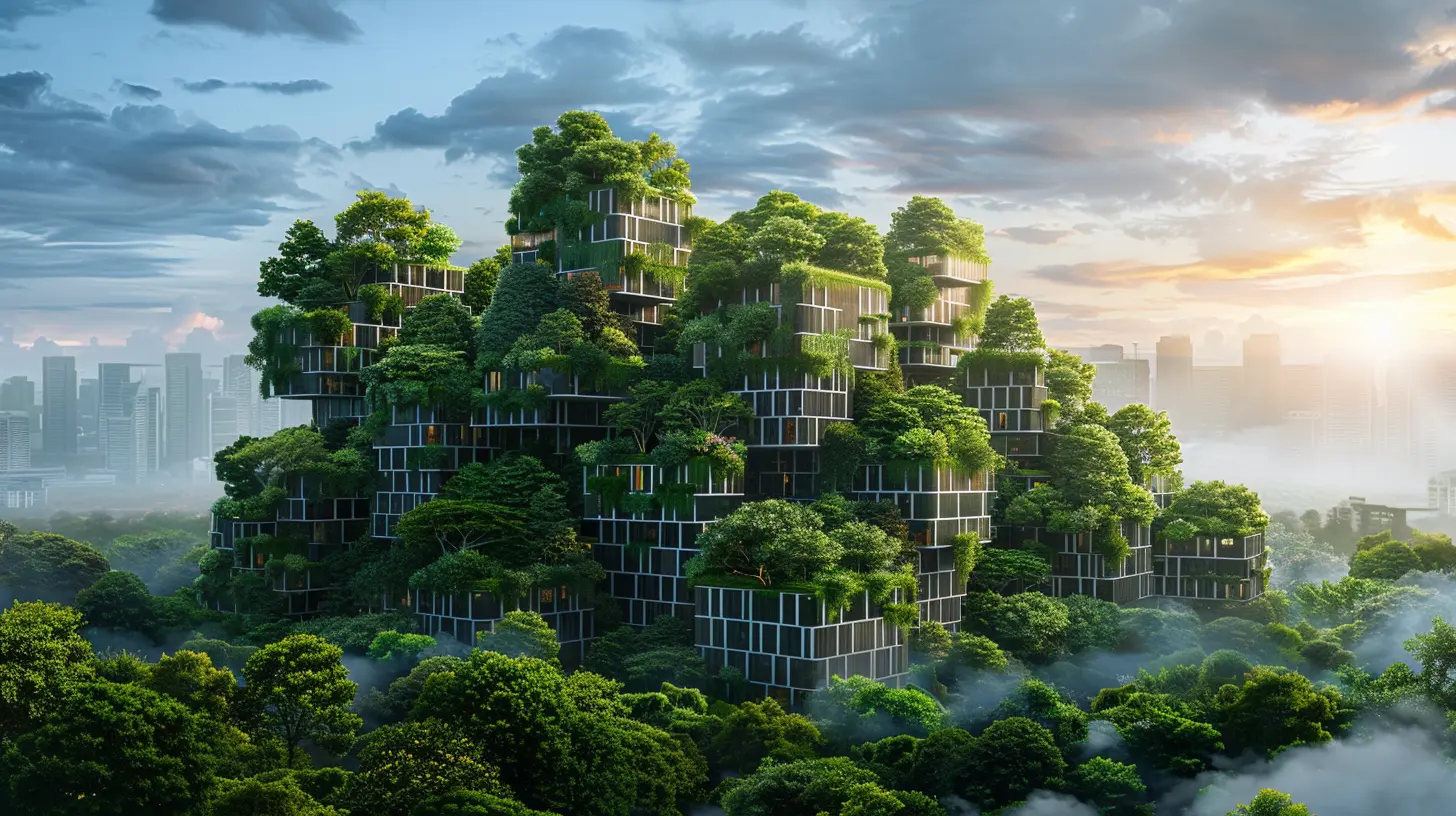
Gone are the days of concrete jungles dominating skylines without regard for nature. Green infrastructure—such as green roofs, urban forests, and permeable pavements—are being integrated into modern developments.Meanwhile, eco-friendly materials such as reclaimed wood, recycled plastics, and low-carbon concrete are reducing construction’s environmental footprint. These materials are not just better for the planet but can also lower long-term costs.
Net-Zero and Energy-Efficient Buildings
Net-zero buildings, which generate as much energy as they consume, are becoming the industry standard. Solar panels, wind energy, and advanced insulation techniques help reduce energy demand while keeping operational costs down.With global energy prices fluctuating, energy-efficient homes and commercial buildings aren’t just environmentally responsible—they're financially smart, too.
Modular and Prefabricated Construction: Faster, Cheaper, and Smarter
Building homes and commercial structures on-site takes time and can be unpredictable due to weather or labor shortages. Enter modular and prefabricated construction—an innovation that’s revolutionizing the real estate industry.Off-Site Construction for Efficiency
Instead of building everything piece by piece on location, more developers are turning to pre-made modules that can be assembled quickly. This results in reduced construction timelines, cost savings, and less material waste.3D Printing in Land Development
3D printing technology is pushing the boundaries of what's possible in land development. Structures can now be printed layer by layer using concrete, plastic, or even biodegradable materials. The result? Faster, cheaper, and more customizable buildings.
Mixed-Use Developments: The Rise of Live-Work-Play Environments
The demand for convenience is shaping how we design neighborhoods. Instead of separating residential, commercial, and recreational spaces, developers are creating communities where people can live, work, and play—all within walking distance.Walkability and Reduced Car Dependency
With urban congestion at an all-time high, cities are focusing on reducing car dependency. Developers are designing spaces that prioritize walkability, bike lanes, and public transit access.The Growth of Co-Living and Co-Working Spaces
Co-living and co-working aren’t just trendy buzzwords—they’re becoming viable solutions for housing shortages and changing work habits. Shared living spaces with private rooms and communal areas offer affordable housing options, while co-working spaces cater to remote and hybrid workers.Climate-Resilient Development: Preparing for a Changing World
Natural disasters, rising sea levels, and extreme weather events are putting pressure on developers to reconsider how and where they build.Adaptive Infrastructure and Resilient Design
Developments in flood-prone areas are now integrating elevated structures, water-absorbent landscapes, and flood-resistant materials. In wildfire-prone regions, fire-resistant materials and strategic landscaping are crucial.Smart Water Management
Droughts and water scarcity are real challenges, and smart water management is becoming a key focus in land development. Rainwater harvesting, greywater recycling, and drought-resistant landscaping are some of the innovative solutions gaining traction.
Blockchain in Real Estate and Land Transactions
The real estate industry has long been notorious for its slow, paperwork-heavy processes. Blockchain technology is changing that by introducing transparency, security, and efficiency.Smart Contracts in Property Transactions
With blockchain-powered smart contracts, transactions can be completed in minutes rather than weeks. These self-executing contracts with automatically enforced terms eliminate intermediaries, reducing costs and the risk of fraud.Tokenization of Real Estate
Think buying property is out of reach? Tokenization allows fractional ownership of real estate, meaning investors can buy and sell shares of a property just like stocks. This opens up opportunities for more people to invest in real estate without needing massive capital upfront.Autonomous Construction Equipment: The Future of Building
With labor shortages plaguing the construction industry, autonomous equipment is stepping in to fill the gaps.Drones for Land Surveys and Inspections
Drones are now widely used in land development for mapping, surveying, and inspections. They provide high-resolution images and data, reducing the time and cost of traditional land surveys.Robotic Construction Workers
Robotic bricklayers, autonomous bulldozers, and self-operating cranes are speeding up the construction process while improving precision. These machines reduce human error and enhance safety on job sites.
The Future is Here: What It Means for Developers and Investors
The future of land development isn’t just about fancy technologies—it’s about creating smarter, more efficient, and more sustainable communities.For developers, keeping up with these innovations is key to staying competitive. Investors should also pay attention—future-proof projects that incorporate these trends are likely to see stronger returns.
Real estate is changing rapidly, and those who adapt will be the ones shaping the cities of tomorrow. Are you ready for the future of land development?
all images in this post were generated using AI tools
Category:
Land DevelopmentAuthor:

Melanie Kirkland
Discussion
rate this article
2 comments
Zephyris McEvoy
This article highlights key innovations shaping land development. Embracing technology and sustainable practices will be crucial for creating efficient, eco-friendly communities. Exciting times ahead for real estate!
September 9, 2026 at 11:46 AM
Finley Collins
Innovations in land development are reshaping our cities and communities. From smart zoning technologies to sustainable building practices, staying updated on these trends can provide valuable insights for investors and developers looking to thrive in an evolving market.
September 9, 2026 at 4:26 AM
Melanie Kirkland
Absolutely! Staying informed about these innovations is crucial for anyone in the industry. It's exciting to see how technology and sustainability are shaping our future spaces.