Down Payment Mistakes to Avoid When Buying Your First Home
26 July 2026
Buying your first home is one of the most exciting milestones of your life! It’s an adventure filled with possibilities, from picking out the perfect neighborhood to envisioning cozy nights in your dream space. But let’s be real—there’s one factor that can make or break your home-buying experience: the down payment.
It’s easy to make mistakes when it comes to setting aside money for your first home, and these slip-ups can cost you big time. So, before you dive into homeownership headfirst, let’s talk about the most common down payment mistakes—and, more importantly, how to avoid them! 
1. Not Understanding How Much You Need for a Down Payment
One of the biggest misconceptions about home buying is the idea that you need a 20% down payment. Sure, 20% is often recommended if you want to avoid private mortgage insurance (PMI), but it’s not a hard-and-fast rule.Depending on the loan type, you can put down far less:
- FHA loans: As low as 3.5% down
- Conventional loans: Often as low as 3% down
- VA loans: 0% down for eligible military members and veterans
- USDA loans: 0% down for rural and suburban homebuyers
The key is to research your loan options and determine what works best for your financial situation. Don't assume you need to fork over 20%—because in many cases, you don’t! 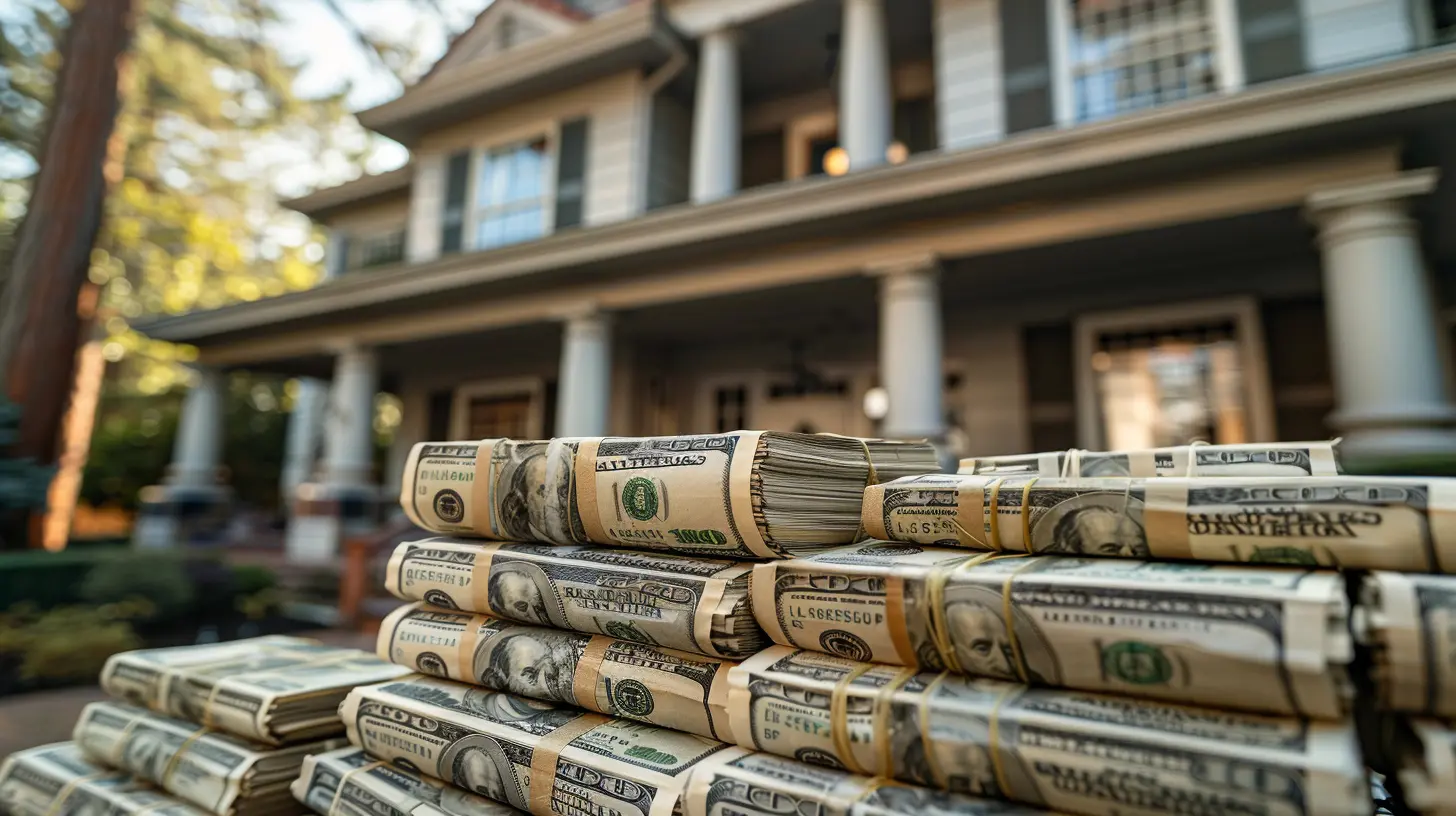
2. Draining Your Savings for the Down Payment
Sure, putting down a hefty chunk of change can help lower your monthly mortgage payments, but what happens if an emergency pops up?Draining your entire savings for a down payment leaves you financially vulnerable. Life happens—your car suddenly needs major repairs, a medical emergency arises, or you lose your income unexpectedly. Without a cushion, you could find yourself in a tough spot.
Tip:
Keep at least 3 to 6 months’ worth of expenses in an emergency fund before using savings for a down payment. A house is an investment, but so is financial stability!
3. Ignoring Additional Home-Buying Costs
Many first-time buyers focus solely on saving for the down payment, forgetting that buying a home involves a lot of extra expenses.Other costs to budget for:
✔ Closing Costs – Typically 2% to 5% of the home’s price✔ Home Inspection & Appraisal Fees – Can range from $300 to $1,000
✔ Moving Costs – Hiring movers, renting a truck, or even buying new furniture adds up!
✔ Property Taxes & Homeowners Insurance – Often included in your mortgage escrow
✔ Maintenance & Repairs – Even brand-new homes need upkeep
Ignoring these costs can lead to sticker shock when it’s time to sign the papers. Be sure you factor them into your budget! 
4. Skipping First-Time Homebuyer Assistance Programs
Did you know there are tons of programs designed to help first-time buyers with their down payment?Many states and local governments offer grants, low-interest loans, or assistance programs to make homeownership more affordable. These can significantly reduce your out-of-pocket costs!
Where to look:
- Check with your state housing finance agency- Ask your lender about down payment assistance programs
- See if your employer offers homebuying benefits
Not checking for available programs could mean leaving free money on the table!
5. Not Getting Pre-Approved Before Saving for a Down Payment
Imagine spending months saving up for a specific down payment goal, only to find out you actually needed less or more than expected. That’s why getting pre-approved before you start aggressively saving is crucial.Pre-approval gives you a clear picture of how much house you can afford, what loan options are available, and what lenders actually require for a down payment. It helps you set a realistic savings goal so you aren't over-saving or under-saving.
6. Taking Out Loans or Opening New Credit Before Closing
Saving for a down payment is one thing—keeping your finances stable until closing is another!A common mistake first-time buyers make is taking on new debt right before closing. Whether it’s financing new furniture, buying a car, or opening a credit card, these actions can affect your credit score and debt-to-income ratio, which might result in losing your loan approval.
Golden rule:
Wait until after closing before making any major financial moves!7. Not Comparing Different Lenders
Not all mortgage lenders are created equal. Some offer better interest rates, some have lower fees, and others provide more flexible terms. If you only talk to one lender, you could miss out on a better deal.What to compare:
✔ Interest rates✔ Loan terms
✔ Closing costs
✔ Down payment requirements
✔ Customer reviews & service
It’s worth shopping around to make sure you’re getting the best mortgage deal possible!
8. Forgetting About Private Mortgage Insurance (PMI)
If you put down less than 20%, you’ll likely need to pay Private Mortgage Insurance (PMI). This extra cost is added to your monthly mortgage payment to protect the lender in case you default on the loan.How to handle PMI smartly:
- If you can afford it, consider increasing your down payment to avoid PMI altogether.- If you must pay PMI, remember that it usually drops off once you build 20% equity in your home.
PMI isn’t necessarily a bad thing—it helps many first-time buyers afford a home sooner. Just be sure you’re aware of the cost and factor it into your monthly budget.
9. Relying Too Much on Gift Money
Many buyers receive down payment help from family or friends, which is great—but relying entirely on gift money can be risky.Why?
- Lenders require documentation proving the money is truly a gift, not a loan.- Some loan programs have limits on how much gift money you can use.
- If the gift falls through at the last minute, you could be short on funds.
If you’re using gifted money, coordinate with your lender early to ensure everything is handled properly!
10. Choosing a Home Before Calculating Your Down Payment
House hunting is fun, but falling in love with a home before you figure out your down payment can set you up for heartbreak.If you fixate on a house but realize later that you can’t afford the down payment, you’re left scrambling or settling for a home that doesn’t meet your needs. Instead, set a clear budget first, save accordingly, and then start shopping.
Final Thoughts
Buying your first home is an exciting journey, but it’s also one that requires careful planning—especially when it comes to your down payment. Avoiding these common mistakes can save you money, stress, and frustration.By understanding your loan options, budgeting smartly, researching assistance programs, and planning ahead, you’ll be well on your way to securing your dream home without financial regrets.
So, are you ready to take the leap into homeownership the right way? Let’s make your dream home a reality—without the costly mistakes!
all images in this post were generated using AI tools
Category:
Down PaymentsAuthor:

Melanie Kirkland
Discussion
rate this article
1 comments
Wesley McQuiston
Great article! Many first-time buyers overlook the importance of budgeting for additional costs like closing fees and maintenance. It's crucial to have a clear understanding of your total financial picture before committing to a down payment. Every little detail counts when making such a big investment.
July 26, 2026 at 10:53 AM
Melanie Kirkland
Thanks for your insight! You're right-understanding the full financial picture is key for first-time buyers. Every detail truly matters.