Exploring the Pros and Cons of Vertical Land Development
22 June 2026
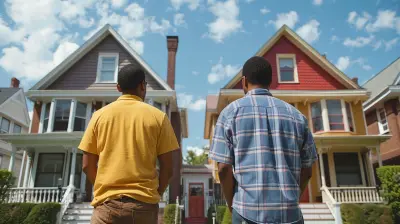
When we think of expanding cities, our minds often picture sprawling suburbs and endless highways. But with limited land and growing populations, many urban planners and developers are looking up—literally! Vertical land development is becoming a popular solution to housing shortages and space constraints. But like any urban planning strategy, it has its advantages and disadvantages.
So, is building upwards the answer to our real estate woes, or does it come with hidden pitfalls? Let's dive into the world of vertical land development and weigh the pros and cons.
What Is Vertical Land Development?
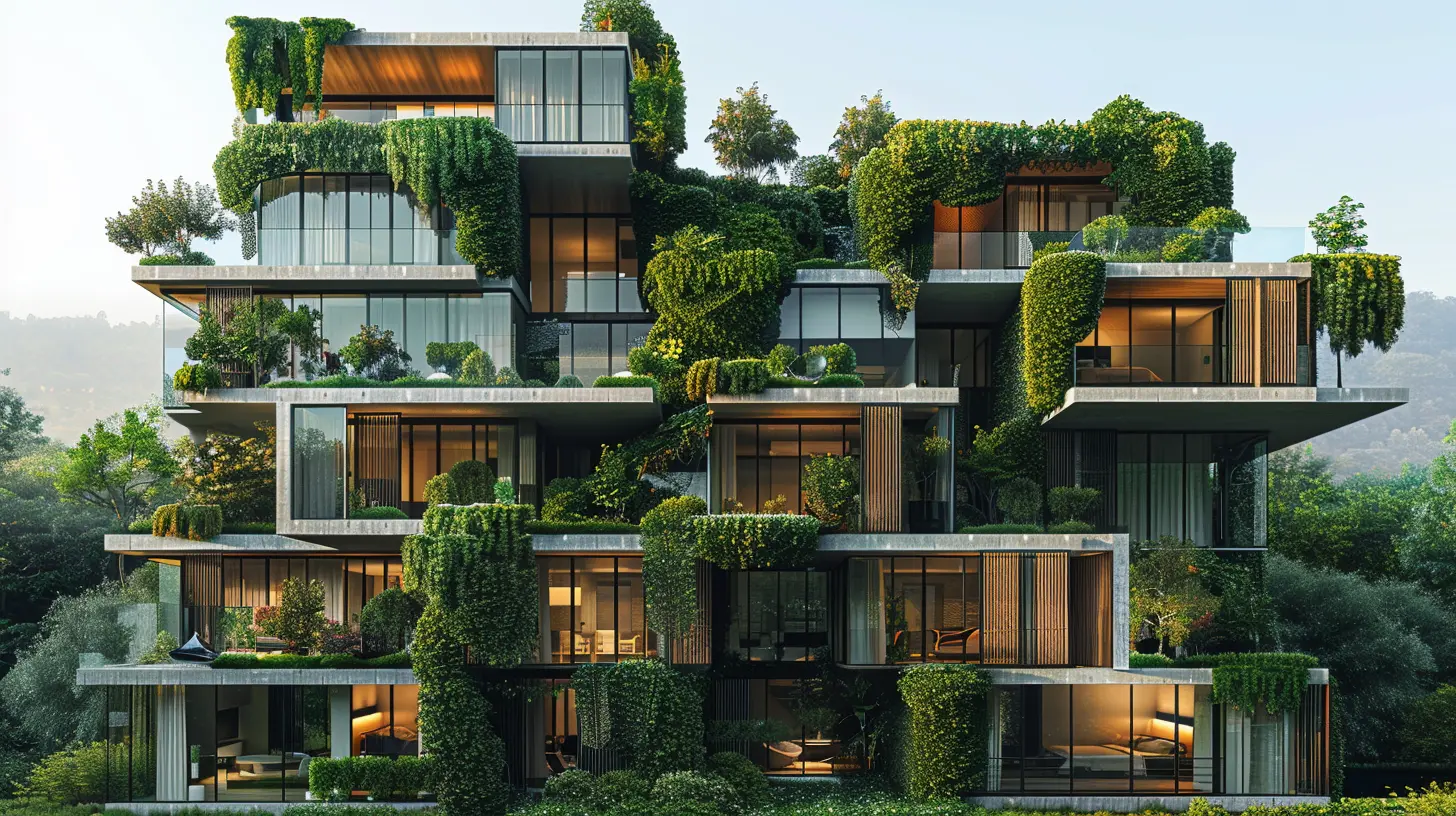
Before getting into the nitty-gritty, let's define what we’re talking about. Vertical land development refers to the construction of high-rise buildings, multi-story complexes, and skyscrapers to maximize space efficiency in urban areas. Instead of spreading outwards (which requires more land), cities are turning to taller buildings for residential, commercial, and mixed-use purposes.This approach has been embraced by metropolises like New York, Tokyo, and Singapore, where land is scarce and expensive. But is it the right strategy for every city? Let's break it down. 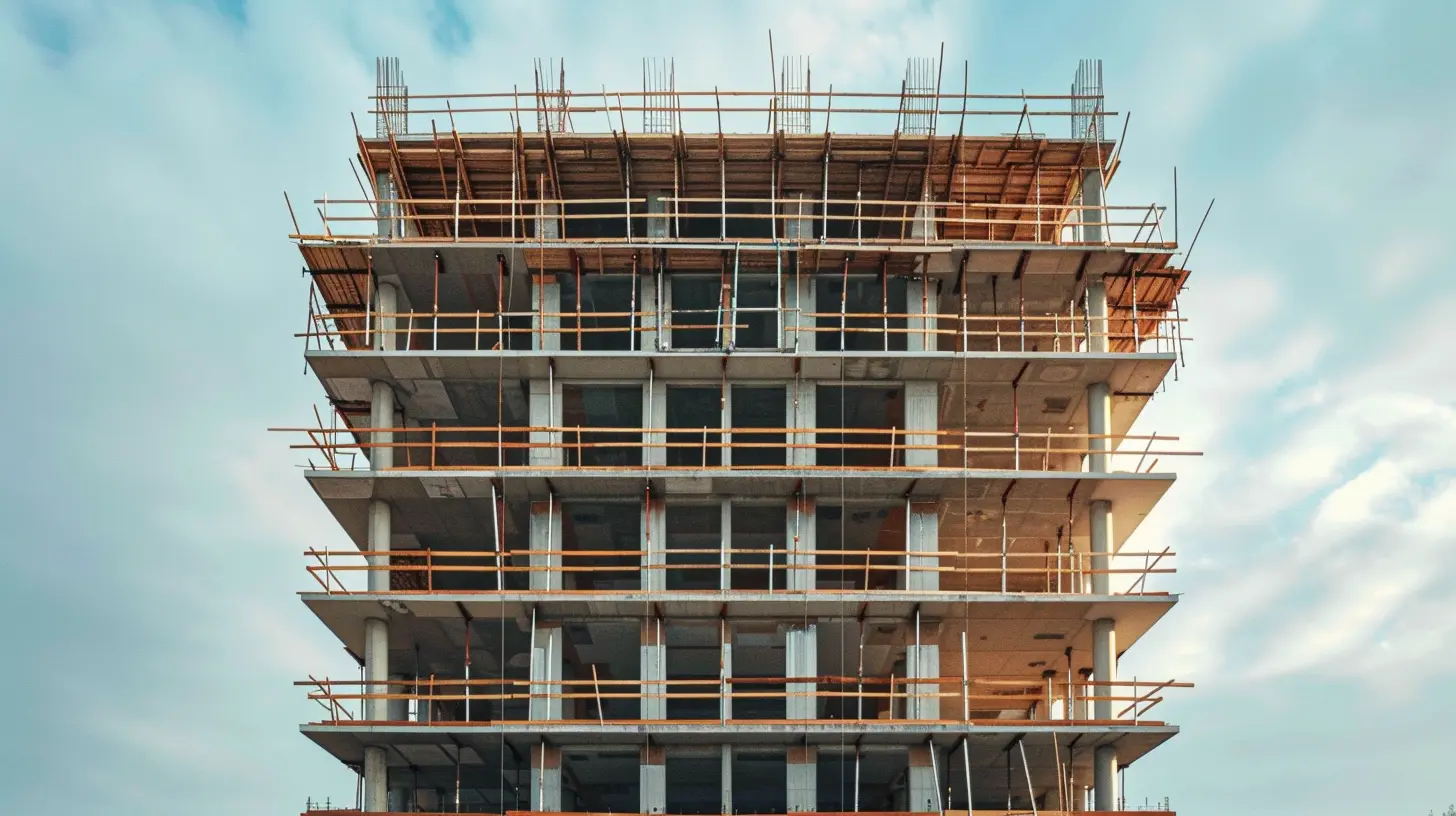
The Pros of Vertical Land Development
1. Maximizing Limited Space
One of the biggest advantages of vertical development is its ability to make the most of limited land. In densely populated cities, every square inch counts. By constructing upwards instead of outwards, developers can accommodate more people and businesses within the same footprint.Think about it—if every new resident in Manhattan needed a single-story home, the city would need to bulldoze half the state!
2. Reducing Urban Sprawl
Urban sprawl—the uncontrolled expansion of cities into surrounding rural areas—can lead to longer commutes, loss of green spaces, and increased infrastructure costs. Vertical development helps combat this by concentrating growth within existing city limits.When cities grow upwards, they preserve nature, reduce transportation needs, and make better use of existing resources. This means fewer highways cutting through forests and less farmland being eaten up by endless subdivisions.
3. Improved Public Transportation and Walkability
Higher population density makes public transportation more viable. When more people live close together, cities can justify investments in efficient subway systems, buses, and bike lanes. This, in turn, reduces traffic congestion and pollution.Vertical developments also encourage walkability, meaning residents can easily access shops, restaurants, and workplaces without needing a car. That’s a win for both the environment and quality of life!
4. Economic Growth and Increased Property Values
Dense urban development often leads to thriving economies. More businesses, more jobs, and higher property values create a bustling city atmosphere.High-rise buildings, especially mixed-use developments, can generate significant tax revenue for local governments. This money can then be reinvested in infrastructure, schools, and public services.
5. Sustainability and Energy Efficiency
Believe it or not, vertical buildings can be more energy-efficient than single-story structures. Modern high-rises incorporate green building techniques such as:- Better insulation to reduce heating and cooling costs
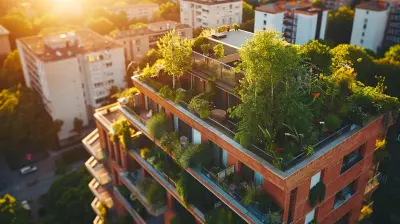
- Rooftop gardens to absorb heat and improve air quality
- Shared walls that reduce energy waste
- Smart technology for automated energy management
Plus, with more people living in these buildings, cities can provide utilities (like water and electricity) more efficiently. 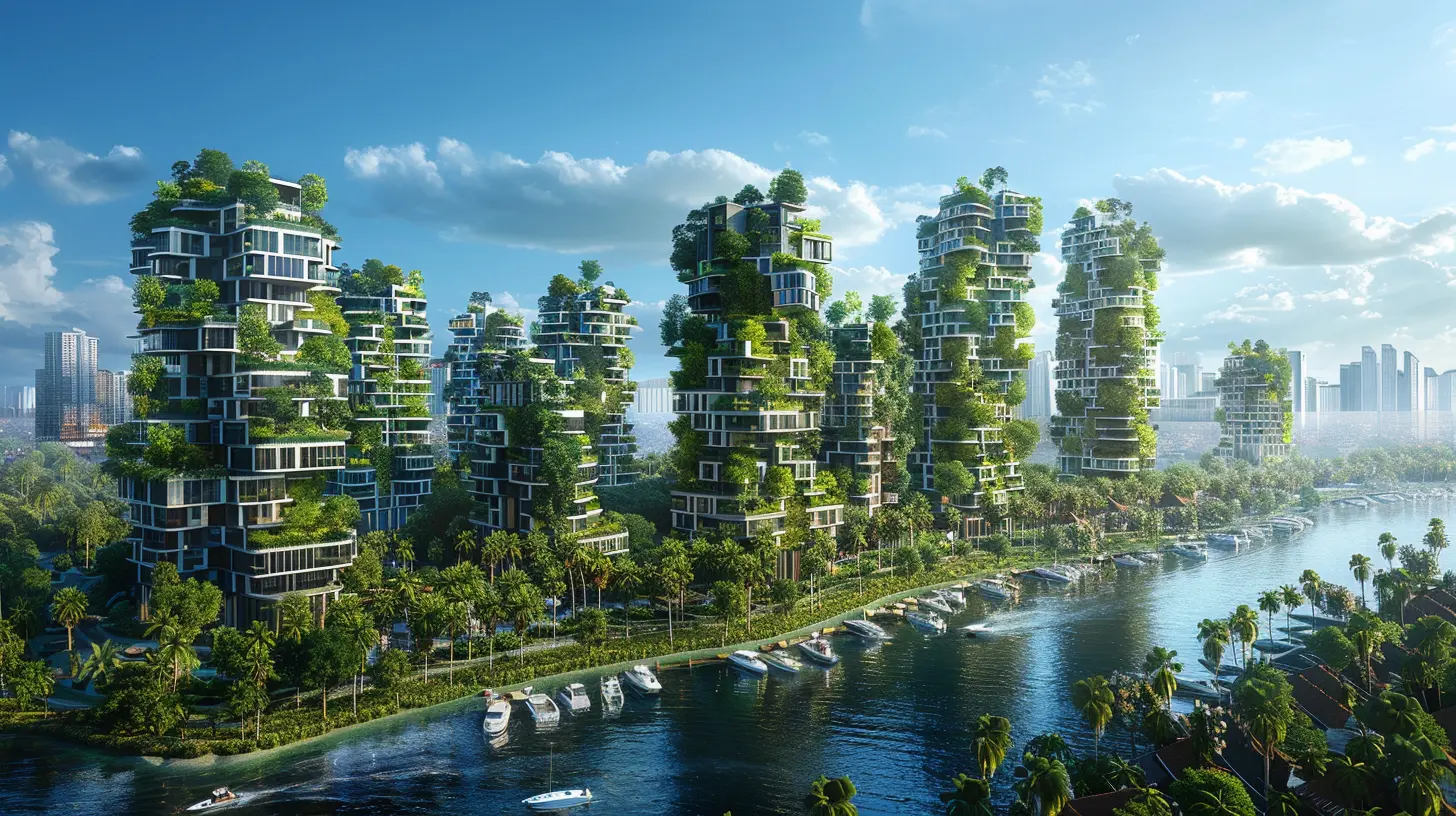
The Cons of Vertical Land Development
While tall buildings have their perks, they’re not without challenges. Let’s take a closer look at the downsides.1. High Construction and Maintenance Costs
Building tall isn't cheap. High-rise construction requires stronger materials, complex engineering, and extensive safety measures, all of which drive up costs.And once built, maintenance is another challenge. Elevators, structural reinforcements, and HVAC systems need constant upkeep, which means higher expenses for both developers and residents.
2. Limited Privacy and Living Space
Living in a high-rise means sharing walls, ceilings, and floors with dozens (or even hundreds) of other people. Privacy can be a major concern, especially in dense apartment buildings.Not to mention, high-rise units often have less square footage compared to single-family homes. If you crave a backyard or personal space, vertical living might not be for you.
3. Risk of Overcrowding and Infrastructure Strain
While high-rises can accommodate more people, they also put additional strain on city services. Imagine thousands of people relying on the same water supply, sewer systems, and transportation networks—things can get overwhelmed fast!If vertical development isn’t properly planned, it can lead to traffic congestion, power shortages, or even water supply issues.
4. Psychological and Social Challenges
Skyscrapers offer stunning views, but they can also feel isolating. Studies have shown that people in high-rises sometimes experience a sense of detachment from their surroundings.Why? Fewer opportunities for social interaction. Unlike suburban neighborhoods where people have yards, porches, and communal parks, high-rise dwellers may rarely meet their neighbors.
There’s also the issue of “concrete jungles.” Overly dense urban environments without enough greenery can feel suffocating, leading to increased stress and mental fatigue.
5. Evacuation and Safety Concerns
Fires, earthquakes, and other emergencies pose greater risks in high-rise buildings. Evacuating hundreds of people from a 50-story building is significantly more complex than from a one-story house.While modern skyscrapers have advanced safety features—like fireproof materials and robust escape plans—there’s still an inherent risk in living several stories above ground. 
Is Vertical Land Development the Future?
So, does vertical development represent the future of urban living?The truth is, it depends. In cities where land is scarce, high-rises are almost unavoidable. They offer space efficiency, economic benefits, and sustainability advantages. But they also come with challenges related to cost, infrastructure strain, and social dynamics.
The key is balance. A combination of vertical and horizontal development can create healthier, more livable cities. Mixed-use communities, smart urban planning, and sustainable building practices will be essential in shaping the cities of tomorrow.
At the end of the day, vertical development is neither a perfect solution nor a complete disaster—it’s a tool. And like any tool, how we use it will determine its success.
Final Thoughts
Vertical land development is a fascinating concept that continues to shape our cities. While it solves many space-related issues, it also introduces new challenges. Whether you're a real estate investor, city planner, or just someone curious about urban growth, understanding the pros and cons of building upwards is crucial.What do you think? Would you rather live in a high-rise in a bustling city or a cozy home in the suburbs? Let’s talk in the comments!
all images in this post were generated using AI tools
Category:
Land DevelopmentAuthor:

Melanie Kirkland
Discussion
rate this article
1 comments
Kassidy Kearns
Vertical land development presents unique opportunities and challenges. While it maximizes space and fosters urban density, it can strain infrastructure and impact community cohesion. Striking a balance between growth and sustainability is key to creating vibrant living environments that meet diverse needs. Thoughtful planning is essential.
June 22, 2026 at 3:16 AM