How to Bring New Life to Degraded Land Through Sustainable Development
23 December 2025
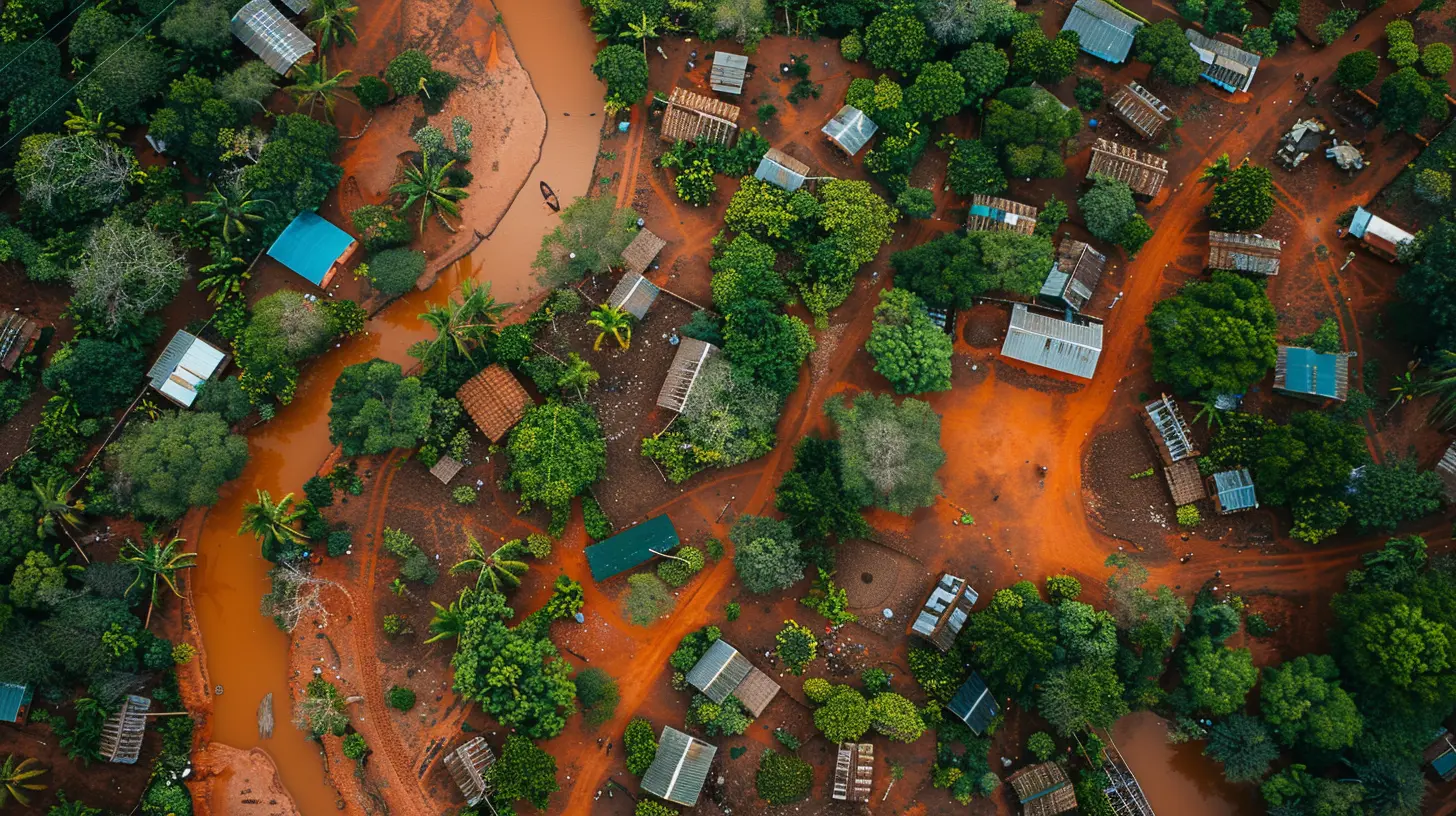
Degraded land might seem like a lost cause, but with the right approach, it can be transformed into something beautiful and productive. Whether it’s a neglected urban lot, an abandoned farm, or land damaged by industrial activity, sustainable development offers a way to breathe new life into it.
So, how do we take damaged land and turn it into a thriving, eco-friendly space? Let’s break it down step by step.
Understanding Land Degradation
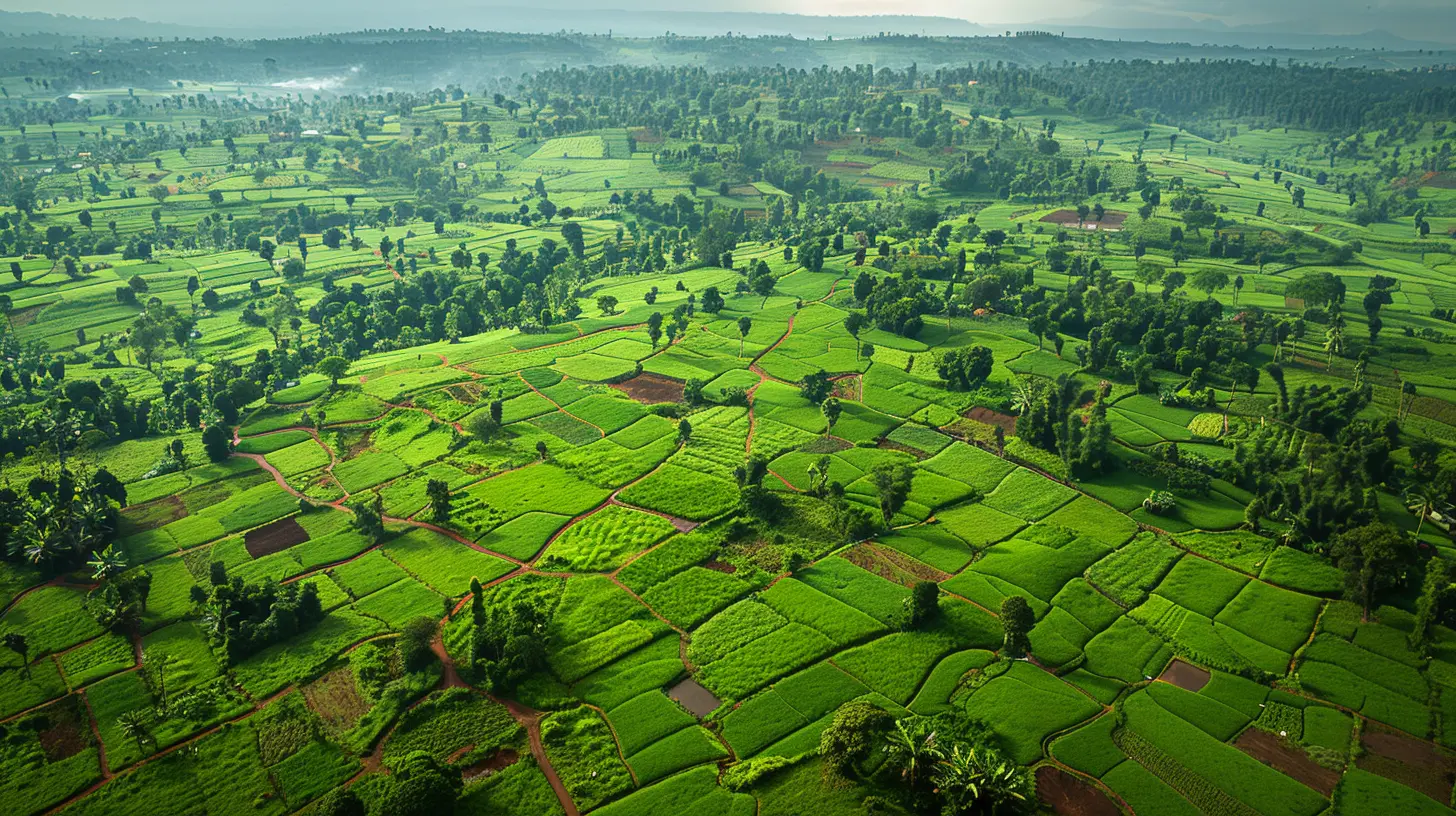
Before we jump into solutions, let’s understand the problem. Land degradation happens when the soil loses its quality due to things like:- Deforestation – Removing trees weakens the soil.
- Overgrazing – Too many animals eating vegetation damages land.
- Agricultural Misuse – Excessive use of pesticides and fertilizers can strip nutrients.
- Urbanization – Construction and pollution make land unusable.
- Climate Change – Rising temperatures and changing rainfall patterns worsen soil conditions.
Once land is degraded, it struggles to support plant, animal, and human life. But that doesn’t mean all hope is lost!
The Role of Sustainable Development
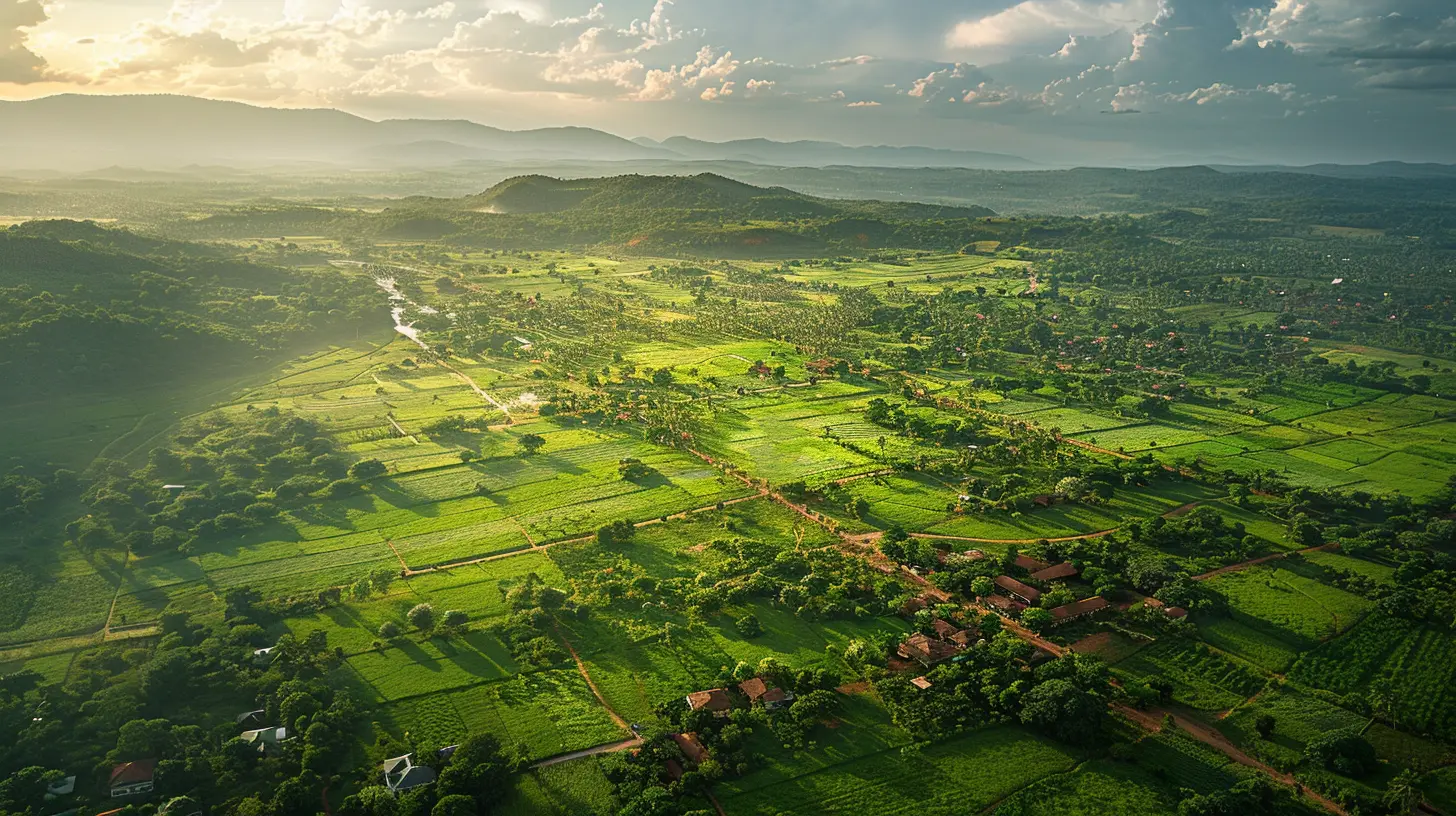
Sustainable development is about meeting today’s needs without compromising the future. When applied to degraded land, it focuses on restoring soil health, improving biodiversity, and making land useful again. The goal is to create something both eco-friendly and economically viable.Now, let’s dive into some practical ways to revive degraded land!
1. Soil Restoration Techniques
The soil is the foundation of land rehabilitation. If the soil is dead, nothing will grow. Here’s how we can bring it back to life:A. Composting and Organic Matter
Adding organic material like compost, manure, and mulch replenishes lost nutrients. Think of it like feeding your plants a healthy diet instead of junk food!B. Cover Crops and Crop Rotation
Planting cover crops (like clover or rye) helps prevent soil erosion and restores fertility. Rotating crops instead of growing the same thing every year keeps the soil balanced and healthy.C. No-Till Farming
Plowing the land too much can make the soil weak. No-till farming minimizes disturbance, keeps soil structure intact, and preserves moisture.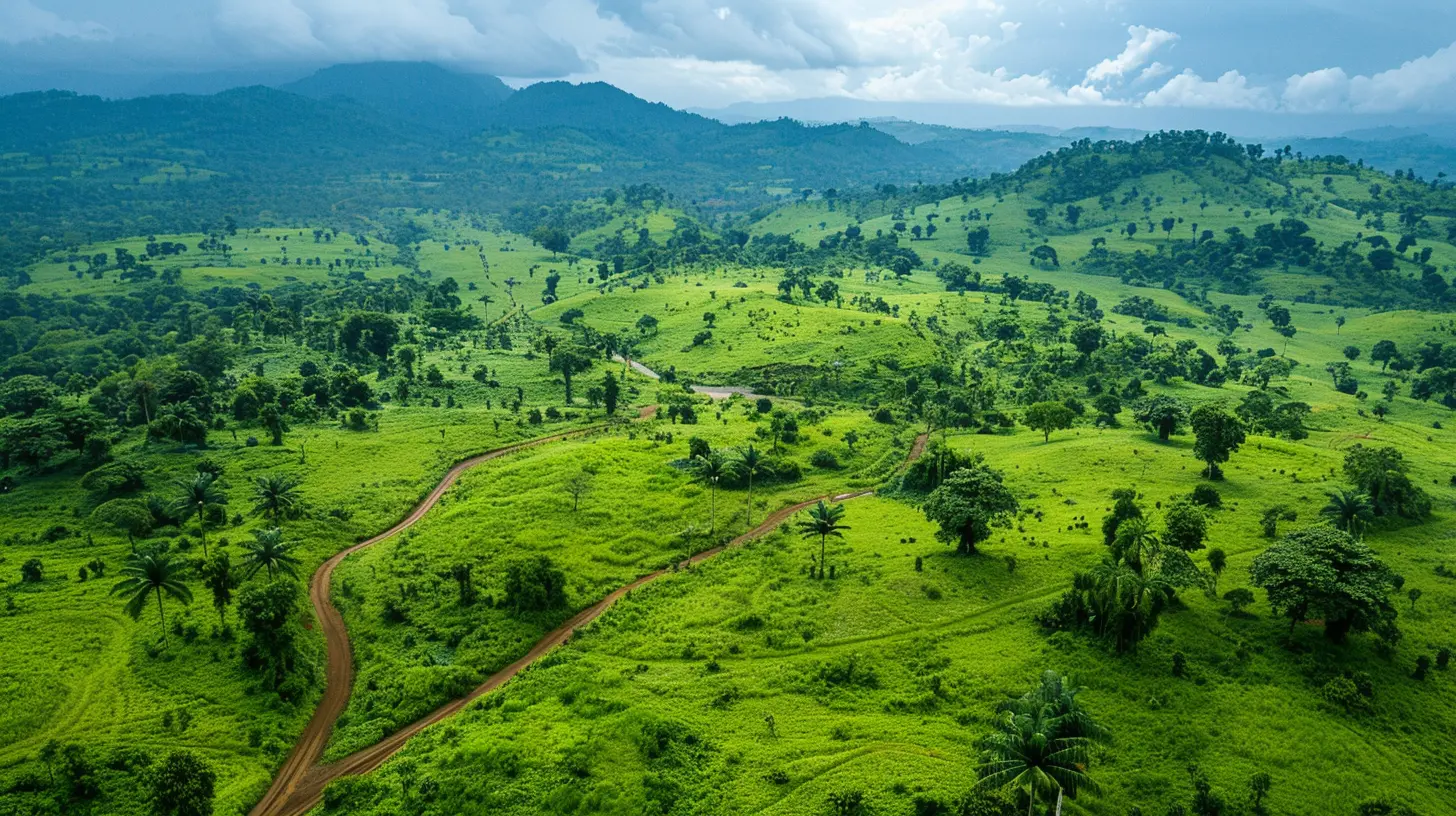
2. Reforestation and Afforestation
Trees are nature’s way of healing land. Planting trees restores habitats, improves air quality, and increases soil stability.- Reforestation – Replanting trees in areas where forests were cleared.
- Afforestation – Planting trees where there were none before.
Both help in reducing soil erosion, improving water retention, and promoting biodiversity.
3. Water Management Strategies
Degraded land often struggles with water—either too much of it (flooding) or too little (drought). Sustainable water management can fix that.A. Rainwater Harvesting
Collecting rainwater and using it effectively prevents runoff and erosion while keeping soil hydrated.B. Building Swales and Retention Ponds
Swales (shallow trenches) and retention ponds help direct and store water where it’s needed most.C. Drip Irrigation Systems
This method delivers water directly to plant roots, using less water while keeping crops alive and healthy.
4. Renewable Energy Integration
Instead of relying on fossil fuels, using solar, wind, and hydro energy can make development more sustainable. Whether it’s powering irrigation systems or running a sustainable farm, renewable energy reduces long-term costs and environmental impact.5. Sustainable Land Use Planning
How land is used matters. Proper planning ensures that we don’t just fix the problem but prevent it from happening again.A. Agroforestry
This is a mix of agriculture and forestry, where farmers plant trees along with crops. It protects the soil, provides shade, and boosts biodiversity.B. Permaculture Design
A farming method that mimics natural ecosystems, making it more sustainable and self-sufficient.C. Smart Urban Design
In cities, reclaiming degraded land for green spaces, community gardens, and eco-friendly buildings improves both the environment and quality of life.
6. Encouraging Biodiversity
A healthy ecosystem relies on plant and animal life working together. Reintroducing native plants and protecting wildlife habitats creates a balanced and self-sustaining environment.- Planting wildflowers attracts pollinators like bees and butterflies.
- Restoring wetlands helps filter water and supports aquatic life.
- Creating wildlife corridors allows animals to move freely and thrive.
7. Community Involvement and Education
Sustainable development isn’t just about fixing the land—it’s about people, too. Engaging local communities ensures long-term success.A. Educating Landowners and Farmers
Workshops, training programs, and incentives encourage people to adopt sustainable practices.B. Community Gardens and Shared Spaces
Turning vacant lots into urban gardens helps both the environment and communities by providing fresh food and green spaces.C. Government and Private Sector Involvement
Policies, grants, and investments from businesses can accelerate land restoration projects.
8. Monitoring and Continuous Improvement
Restoring land isn’t a one-time fix—it requires ongoing care. Regular soil testing, tracking plant growth, and adjusting strategies ensure long-term success.- Use technology – Drones, satellite images, and AI can help monitor land health.
- Adapt to climate change – As weather patterns shift, sustainable methods must evolve.
- Encourage innovation – New agricultural and conservation techniques should be explored.
The Future of Degraded Land
With the right approach, degraded land can be brought back to life, benefiting both the environment and the economy. Sustainable development transforms barren fields into thriving ecosystems, urban spaces into green retreats, and worn-out farmland into fertile ground.Bringing back degraded land isn’t just a dream—it’s a necessity. If we take action today, future generations will enjoy a healthier and more sustainable planet.
all images in this post were generated using AI tools
Category:
Land DevelopmentAuthor:

Melanie Kirkland
Discussion
rate this article
2 comments
Russell Kirkland
Who knew degraded land could have a glow-up? With a sprinkle of sustainable magic, we can turn brownfields into green dreams! Let’s get planting, building, and dreaming—because every patch of dirt deserves a second chance to shine! Here’s to eco-friendly renovations and fabulous transformations!
December 30, 2025 at 4:00 AM
Melanie Kirkland
Thank you! It's inspiring to see the potential in degraded land—together, we can indeed turn these spaces into vibrant, sustainable communities! Let's keep the momentum going!
Indie McGonagle
This article beautifully captures the essence of revitalizing degraded land. Embracing sustainable development not only rejuvenates our environment but also fosters community resilience and connection. Thank you for sharing this vital message!
December 27, 2025 at 5:46 AM
Melanie Kirkland
Thank you for your thoughtful comment! I’m glad you found the article inspiring and that it resonated with the importance of sustainable development for both the environment and communities.