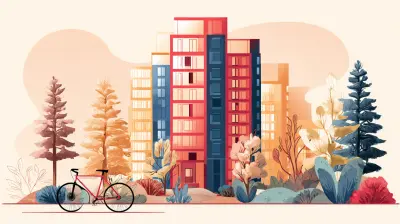
How Millennials and Gen Z Are Changing the Housing Market by 2027
27 April 2026
If you’ve been paying even half an attention to the housing market over the last few years, you’ve probably felt like you’re watching a slow-motion car crash mixed with a frantic game of musical chairs. Prices are up, inventory is down, and everyone seems to be chasing the same three-bedroom starter home. But here’s the twist: the real story isn’t just about interest rates or square footage. It’s about who’s buying—and more importantly, how they’re buying. By 2027, Millennials and Gen Z won’t just be participants in the housing market; they’ll be the ones rewriting the entire rulebook. Let’s pull back the curtain and see what’s really happening.

The Great Generational Shift: Who’s Holding the Keys?
Let’s start with a quick reality check. Millennials (born roughly 1981–1996) have been the largest generation in the U.S. workforce for years, but they’ve also been the most delayed in homeownership. Student debt, stagnant wages, and the 2008 recession hit them right when they were supposed to be buying starter homes. Now, by 2027, many Millennials will be in their late 30s to early 50s—prime home-buying age. Meanwhile, Gen Z (born 1997–2012) is just entering their prime earning years. Together, these two groups control a massive chunk of disposable income and, more importantly, a completely different set of expectations about what a home should be.Think of it like this: if the Boomer generation treated a house like a reliable sedan—functional, predictable, and built to last 30 years—Millennials and Gen Z are treating it like a smartphone. They want it to be smart, adaptable, and connected. They want it to fit their lifestyle, not the other way around. And by 2027, this mindset will have fundamentally reshaped everything from location preferences to financing options.

Location, Location, Location (But Not the Way You Think)
For decades, the mantra was “location, location, location”—and it usually meant suburbs near good schools and a short commute to downtown. Millennials and Gen Z are flipping that script. They’re not just moving to cities; they’re moving to micro-neighborhoods within cities, or to smaller, secondary metros that offer a better quality of life without the insane price tag.Why? Because remote work has untethered them from the office. By 2027, hybrid and fully remote roles will be the norm, not the exception. A 2024 Pew Research study found that 35% of workers with jobs that can be done remotely are fully remote, and that number is climbing. So, instead of paying $2,500 a month for a shoebox in San Francisco, a Gen Zer can buy a three-bedroom house in Boise, Idaho, or Chattanooga, Tennessee, and still keep their Bay Area salary. That’s a no-brainer.
But here’s where it gets interesting: they’re not just moving for lower prices. They’re moving for community and walkability. Millennials and Gen Z crave third places—coffee shops, parks, co-working spaces, and breweries—within walking distance. They want to live where they can grab a latte, work from a park bench, and then meet friends for dinner without getting in a car. By 2027, expect to see a surge in demand for “15-minute neighborhoods” where everything you need is a short stroll or bike ride away. Developers are already taking notes, and zoning laws are starting to shift to accommodate mixed-use developments.

The Death of the Starter Home (Sort Of)
Remember the classic starter home? The 1,200-square-foot ranch with three bedrooms, one bath, and a tiny yard? Millennials and Gen Z are essentially saying, “Thanks, but no thanks.” It’s not that they don’t want to own a home—they do. But the traditional starter home doesn’t fit their lifestyle or their budget.By 2027, we’ll see a rise in alternative housing formats. Think accessory dwelling units (ADUs), tiny homes, co-housing communities, and even “house hacking” (buying a duplex, living in one unit, and renting out the other). These aren’t just trendy Instagram posts; they’re practical solutions to a broken market. A 2023 survey by the National Association of Realtors found that 63% of Gen Z buyers would consider a home with a separate living unit for rental income. That’s not just smart—it’s survival.
And let’s talk about the multigenerational home. With student loan payments, childcare costs, and aging parents, many Millennials and Gen Z are pooling resources. By 2027, expect to see more homes designed with separate entrances, dual master suites, and flexible spaces that can serve as a home office, a gym, or a grandma suite. It’s not just about saving money; it’s about building a support network. The nuclear family is becoming a thing of the past, and the housing market is catching up.
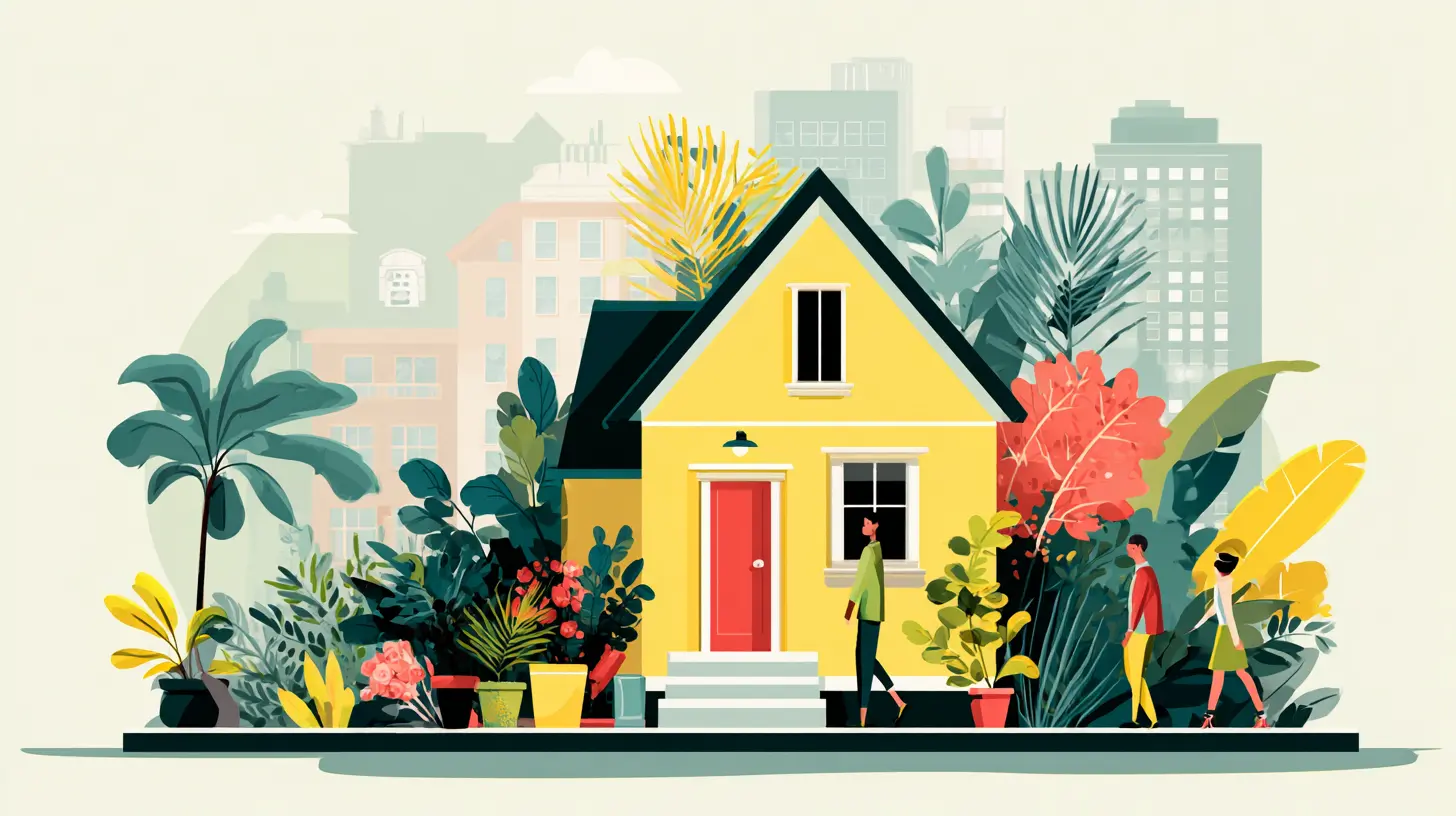
Technology: The Home That Thinks for Itself
If you think smart homes are just a gimmick, think again. By 2027, a home without smart features will be like a car without power windows—technically functional, but deeply unappealing. Millennials and Gen Z grew up with the internet in their pockets, so they expect their homes to be connected too.But it’s not just about voice-activated lights or a smart thermostat. It’s about integration. Imagine a home that knows when you’re coming home and adjusts the temperature, turns on the lights, and starts your favorite playlist. Imagine a refrigerator that orders groceries when you’re running low. Or a security system that uses AI to distinguish between a delivery driver and a potential intruder. By 2027, these features won’t be luxury upgrades; they’ll be standard expectations.
And here’s the kicker: younger buyers are willing to pay a premium for this tech. A 2024 survey by Coldwell Banker found that 77% of Millennials would pay more for a home with smart technology already installed. For Gen Z, that number jumps to 82%. Builders and sellers who ignore this trend will find themselves stuck with inventory that feels as outdated as a flip phone.
Financing: The Rise of the Non-Traditional Path
Let’s be honest: the traditional path to homeownership—save 20% down, get a 30-year fixed mortgage, and pray rates stay low—is broken for many young people. Student debt, rising rents, and inflation have made saving for a down payment feel like climbing Everest in flip-flops. So, Millennials and Gen Z are getting creative.By 2027, we’ll see a massive increase in alternative financing options. Down payment assistance programs, shared equity models, and rent-to-own arrangements will become mainstream. Companies like Divvy and Landis are already allowing renters to build equity while they save for a down payment. And don’t sleep on the rise of co-buying. Friends, siblings, and even coworkers are pooling their money to buy homes together. A 2023 report from Zillow found that 30% of Gen Z buyers are considering buying a home with someone other than a romantic partner. That’s a seismic shift.
And then there’s the crypto angle. While it’s still niche, a growing number of younger buyers are using cryptocurrency profits to fund down payments. By 2027, expect to see more lenders accepting crypto as collateral or even offering crypto-backed mortgages. It sounds wild, but so did online banking in 1995.
Sustainability: The Green Home Revolution
Here’s a question: would you rather buy a home that saves you money on utilities and helps the planet, or one that bleeds energy and contributes to climate change? For Millennials and Gen Z, the answer is obvious. According to a 2024 survey by the National Association of Home Builders, 71% of buyers under 40 said they would pay more for a home with energy-efficient features.By 2027, sustainability won’t just be a nice-to-have—it will be a dealbreaker. Solar panels, energy-efficient windows, smart irrigation systems, and even electric vehicle charging stations will be standard in new builds. And it’s not just about being green; it’s about being cost-effective. With energy prices fluctuating, a home that generates its own power is a home that offers financial security.
But it goes deeper than that. Younger buyers are also looking at materials. They want homes built with sustainable lumber, recycled steel, and low-VOC paints. They’re asking about the carbon footprint of their construction. By 2027, expect to see a surge in net-zero homes—houses that produce as much energy as they consume. It’s not just a trend; it’s a moral imperative for a generation that grew up watching polar ice caps melt.
The Rental Market: A New Kind of Landlord
Here’s a paradox: Millennials and Gen Z are buying homes, but they’re also renting longer than previous generations. By 2027, the rental market will look completely different. Gone are the days of the faceless corporate landlord. Instead, we’re seeing the rise of institutional-quality rentals that feel like luxury hotels.Think about it: younger renters want amenities that used to be reserved for homeowners—gyms, co-working spaces, rooftop gardens, pet spas, and even concierge services. They’re willing to pay a premium for a “rental experience” that includes flexibility (month-to-month leases, pet-friendly policies) and community (social events, shared gardens). By 2027, the line between renting and owning will blur even further. Some developers are already building rent-to-own communities where a portion of your rent goes toward a future down payment. It’s a win-win for everyone.
And don’t forget the short-term rental phenomenon. With platforms like Airbnb and Vrbo, many younger buyers are purchasing homes specifically to rent them out part-time. By 2027, we’ll see more “dual-purpose” homes designed with separate entrances or lock-off suites that allow homeowners to live in one part and rent the other. It’s not just about income; it’s about maximizing the use of space.
The Emotional Side: Why This Generation Cares So Much
Let’s get real for a second. Millennials and Gen Z have been through the wringer. They came of age during 9/11, the 2008 recession, a global pandemic, and now a climate crisis. They’re cynical, but they’re also deeply optimistic in their own way. They want a home that reflects their values—not just a place to sleep, but a sanctuary that supports their mental health, their relationships, and their future.That’s why you’re seeing a surge in biophilic design (bringing the outdoors in), flexible spaces (rooms that can transform from a home office to a yoga studio to a guest bedroom), and wellness features (air purification, circadian lighting, water filtration). By 2027, a home that doesn’t support your well-being will feel like a relic.
And here’s the emotional punch: they’re doing all of this while carrying the weight of student debt, inflation, and a housing market that feels rigged against them. But they’re not giving up. They’re adapting. They’re innovating. They’re buying with friends, moving to smaller cities, and demanding homes that work for them, not the other way around.
What This Means for You (The Buyer, Seller, or Investor)
If you’re a buyer in this market, take heart. Yes, it’s tough, but by 2027, the market will be more adaptable to your needs. You won’t have to settle for a cookie-cutter starter home. You’ll have options—ADUs, co-buying, sustainable builds, and flexible financing. Start thinking about what you really need from a home, not what your parents told you to want.If you’re a seller, pay attention. By 2027, the buyers who show up to your open house will expect smart tech, energy efficiency, and a floor plan that works for remote work and multigenerational living. If your home still has popcorn ceilings and a landline jack, you might be waiting a while.
And if you’re an investor? This is your golden opportunity. Focus on secondary markets, mixed-use developments, and properties that can be easily adapted for rental income. Build with sustainability in mind. And for goodness’ sake, invest in good internet—it’s the new plumbing.
The Bottom Line: A Market That’s Finally Growing Up
By 2027, the housing market won’t look anything like it did in 2010 or even 2020. Millennials and Gen Z are driving a transformation that’s as much about values as it is about dollars. They’re demanding homes that are smarter, greener, more flexible, and more affordable—and they’re willing to get creative to make it happen.So, is the housing market broken? Maybe. But it’s also being rebuilt, brick by brick, by a generation that refuses to accept the status quo. And honestly? That’s kind of exciting. The next few years will be chaotic, frustrating, and full of surprises. But for those who pay attention, it’ll also be the most dynamic time to buy, sell, or invest since the postwar boom.
After all, home isn’t just a place to live anymore. It’s a statement. And Millennials and Gen Z are making sure that statement is loud, clear, and written in their own handwriting.
all images in this post were generated using AI tools
Category:
Housing Market TrendsAuthor:

Melanie Kirkland
Discussion
rate this article
2 comments
Viviana Richardson
Great, more avocado toast required!
June 15, 2026 at 2:46 AM
Melanie Kirkland
Absolutely! Avocado toast is just one piece of the bigger lifestyle shift we're seeing.
Misty McClellan
In vibrant hues of change, they rise— Millennials and Gen Z, redefining skies. With dreams of homes that speak their name, Shaping a market, igniting the flame, Embracing eco-living, their future's claim.
April 29, 2026 at 3:31 AM
Melanie Kirkland
Thank you for capturing the essence of this shift. It's inspiring to see how these generations are not just dreaming but actively transforming the housing landscape. Their focus on sustainability and personalization could redefine our homes for years to come.