How to Handle Culture Shock When Relocating to a New Region
30 April 2026
Relocating to a new region is an exciting adventure, but let’s be real—it can also be overwhelming. You’re stepping into unfamiliar territory, where customs, traditions, and even daily routines might be completely different from what you’re used to.
Culture shock is a real challenge, but guess what? You’re not alone. Almost everyone who moves to a new place experiences it in some form. The good news? You can handle it like a pro with the right mindset and strategies.
So, if you’re feeling a little lost in translation, don’t worry. Let’s break down how to deal with culture shock and make your transition smoother! 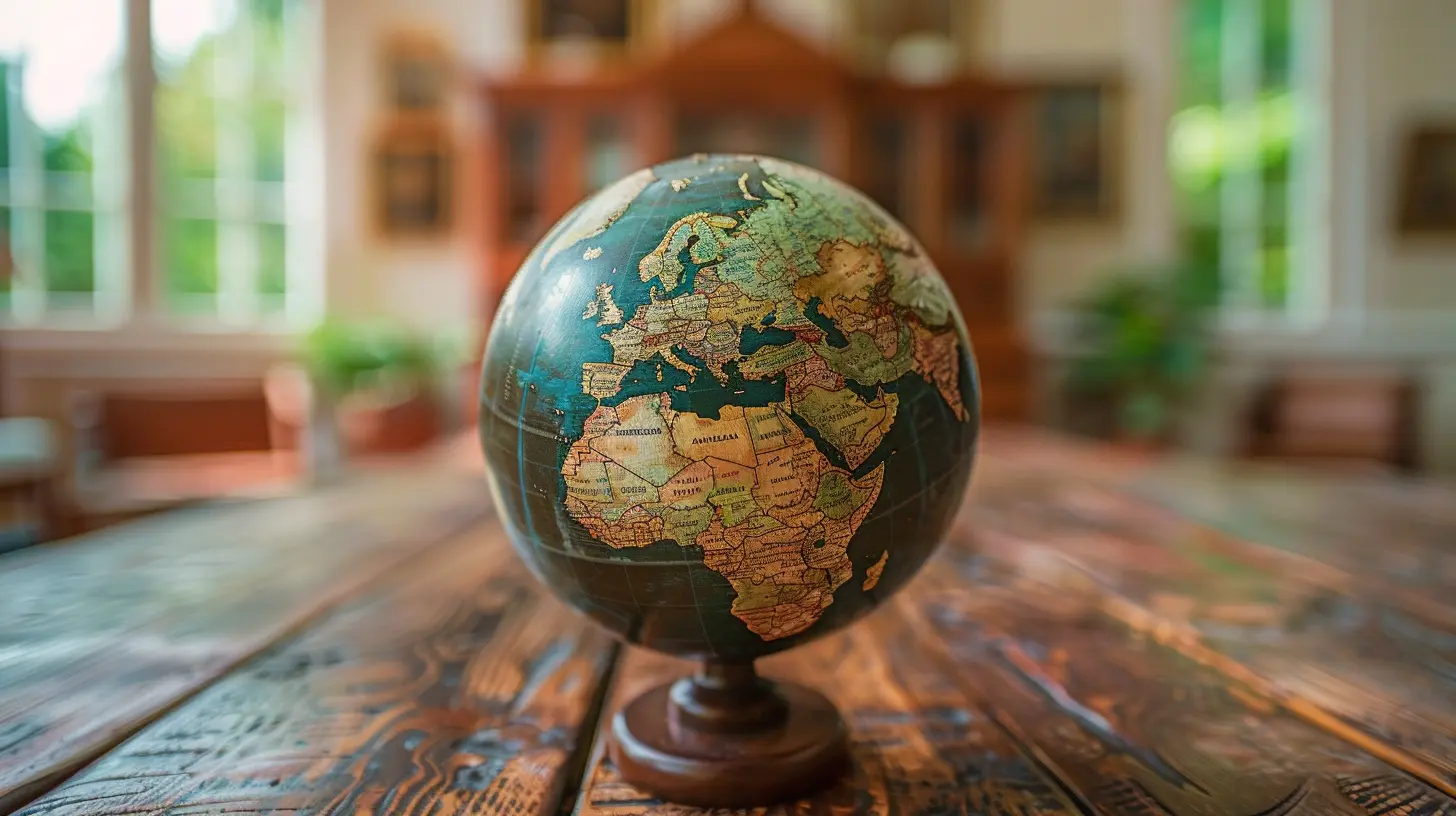
What Is Culture Shock?
First, let’s understand what culture shock actually is. It’s the feeling of disorientation or confusion when you move to a new environment with unfamiliar customs. It can hit you in different ways—some people feel anxious, some homesick, and others just downright frustrated.Culture shock typically happens in stages:
1. The Honeymoon Phase – Everything feels exciting and new. You’re in awe of the different sights, sounds, and experiences.
2. The Frustration Phase – Reality sets in, and the differences become more noticeable. Language barriers, unfamiliar traditions, or even the way people interact can feel frustrating.
3. The Adjustment Phase – You start to adapt and develop routines. Things don’t seem as strange anymore.
4. The Acceptance Phase – Eventually, you feel at home. You embrace the culture and blend in naturally.
Now that you know what to expect, let’s dive into how to manage these phases and make your new home feel like, well… home. 
1. Keep an Open Mind
The key to adjusting successfully is embracing the differences rather than resisting them. Every culture has its unique way of doing things, and that’s what makes the world so diverse and interesting!Instead of viewing differences as a problem, think of them as opportunities to learn. Try to see things from a different perspective. Whether it’s how people greet each other, what they eat, or how they socialize—approach everything with curiosity rather than judgment. 
2. Learn the Language (Even Just a Little)
Language barriers can be one of the biggest hurdles when moving to a new place. But even if you’re not fluent, making an effort to learn key phrases can go a long way.People appreciate when you try to communicate in their language, even if you make mistakes. It shows respect for their culture and helps you connect with locals more easily. Plus, it makes everyday tasks like ordering food, asking for directions, or making small talk much smoother.
Apps like Duolingo, Babbel, or even YouTube tutorials can be lifesavers for picking up the basics! 
3. Connect with the Local Community
Feeling isolated is one of the hardest parts of culture shock. One of the best ways to feel at home is by building relationships with people in your new community.- Join local groups, clubs, or events.
- Attend community festivals and celebrations.
- Volunteer for local causes.
- Visit cafes, markets, or parks where locals hang out.
When you start forming connections, the place will feel less like a foreign land and more like a home.
4. Stay in Touch with Loved Ones
Moving to a new region doesn’t mean you have to leave your old life behind. Stay connected with family and friends back home through video calls, messages, and social media.However, try not to rely on them too much. If you spend all your time chatting with people from your hometown, you might find it harder to immerse yourself in your new surroundings. Strike a balance between staying connected with loved ones and embracing your new environment.
5. Be Patient with Yourself
Adjusting to a new culture doesn’t happen overnight. Give yourself time to absorb everything and understand the new way of life.You might make mistakes—maybe you misinterpret a local custom or say something wrong in a different language. And that’s OK! No one expects you to get everything perfect right away.
Culture shock doesn’t mean you’re failing; it just means you’re growing. Keep reminding yourself that it’s part of the journey and that things will get easier with time.
6. Discover Local Comfort Foods
Food has a magical way of making people feel at home. Ever noticed how a familiar meal can instantly put you at ease? While it’s great to try local dishes, finding comfort foods from home can be a lifesaver when you're feeling homesick.Look for international grocery stores or local restaurants that serve familiar dishes. You can also try cooking your favorite meals—it’s a great way to feel connected to your roots while settling into a new place.
7. Find a Routine
One of the biggest reasons culture shock can hit so hard is the feeling of unpredictability. Establishing a daily routine can help bring a sense of normalcy.Simple habits like:
- Waking up at the same time each day.
- Taking a morning walk.
- Visiting the same café or grocery store regularly.
- Setting work or relaxation hours.
These little routines can help you feel more grounded and in control of your new environment.
8. Educate Yourself on Local Customs
The more you know about a culture, the less surprising (or shocking) it will be. Before your move, or even after you arrive, take the time to learn about the traditions, etiquette, and social norms of your new home.For example, in some cultures, tipping is expected, while in others, it’s considered rude. In some places, being late is normal, while in others, punctuality is highly valued.
Understanding these little things will help you avoid awkward situations and make it easier to blend in.
9. Seek Support from Other Expats
Sometimes, you just need to talk to someone who gets it. Finding other expats or people who have been through the same experience can be incredibly comforting.Join expat groups online or attend local meetups. Having a support system of people who have already gone through the adjustment process can make a huge difference.
They can offer advice, share funny stories, and remind you that it’s all part of the experience.
10. Give Yourself Time to Adjust
Let’s be honest—relocation is a big change. It’s completely normal to feel out of place at first. But over time, what once felt foreign will start feeling familiar.Think about it this way: When you started a new job or a new school, it probably felt weird in the beginning, right? But eventually, you got used to it, made friends, and settled in. Moving to a new region is no different.
Give yourself grace, embrace the adventure, and before you know it, you’ll be calling your new place “home.”
Final Thoughts
Culture shock is just a temporary phase, not a permanent struggle. With patience, curiosity, and a positive mindset, you can turn a challenging transition into a rewarding experience.Instead of focusing on what’s different, focus on what you can learn. Instead of feeling like an outsider, start building connections. And most importantly, remind yourself that every great story begins with stepping out of your comfort zone.
So go ahead—embrace the adventure, soak in the new experiences, and make your new home truly yours!
all images in this post were generated using AI tools
Category:
Relocation TipsAuthor:

Melanie Kirkland
Discussion
rate this article
2 comments
Beatrix Hamilton
Relocating can be challenging, but embracing the local culture and connecting with new neighbors can make the transition smoother. Take it one step at a time.
June 24, 2026 at 10:42 AM
Melanie Kirkland
You're right! Embracing the local culture truly helps ease the transition. Taking it step by step makes all the difference.
Siena McKellar
Embrace the change and enjoy!
May 4, 2026 at 12:10 PM
Melanie Kirkland
Absolutely! Change brings growth and new experiences. Enjoy the journey!