How to Plan Your Relocation Without Stress
5 May 2026
Moving to a new home should be an exciting adventure, but let's be honest—relocating can also be overwhelming. Between packing, organizing, and ensuring nothing gets lost in the shuffle, the process can quickly become stressful. But don’t worry! With the right planning and a few smart strategies, you can move without losing your sanity.
In this guide, we’ll walk you through a stress-free moving process, step by step. From creating a foolproof checklist to settling into your new space with ease, we’ve got you covered. 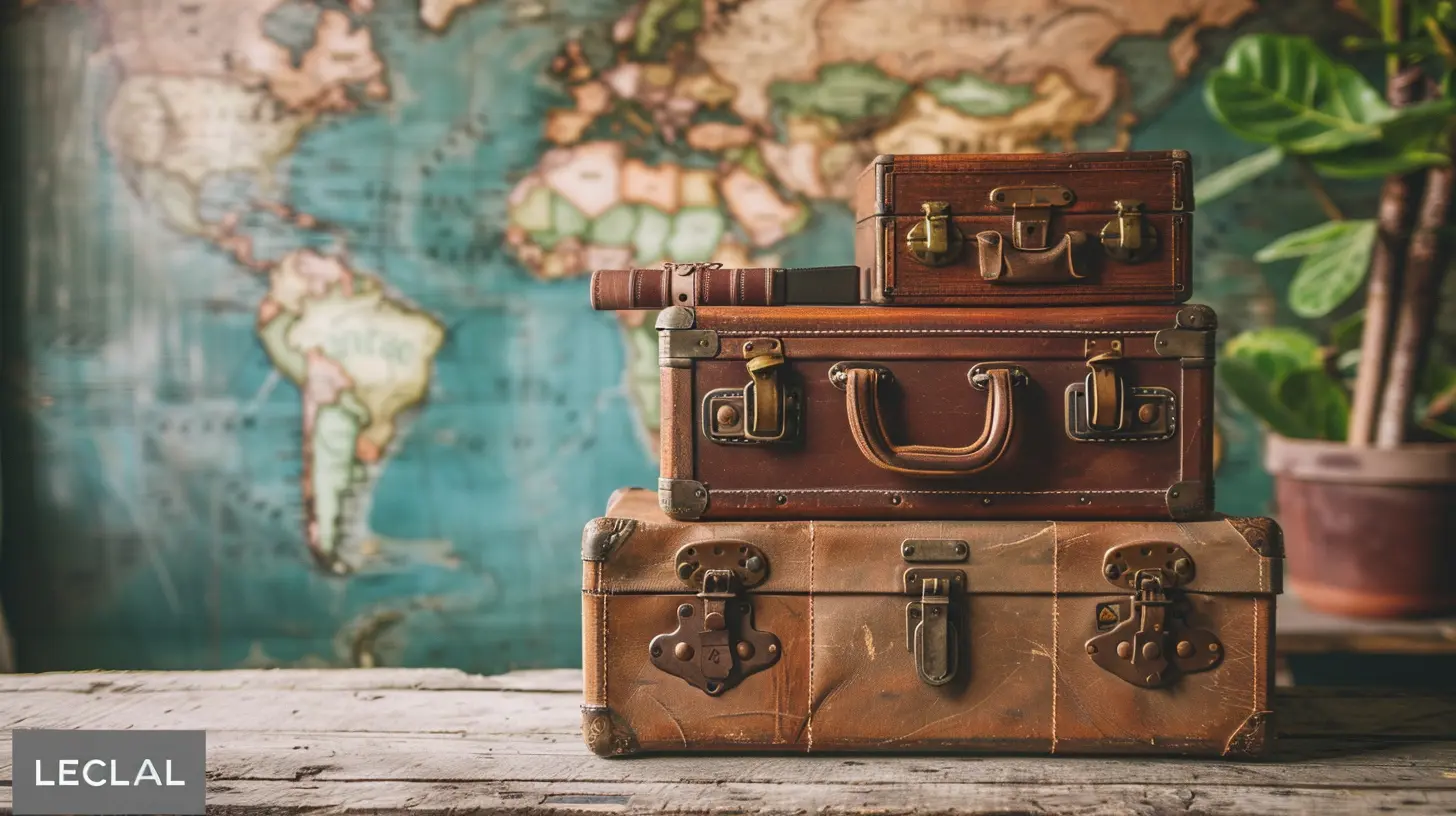
1. Start Planning Early
The key to a smooth relocation is early preparation. Moving isn’t something you should leave to the last minute. The earlier you start, the more control you’ll have over every detail.Create a Timeline
Start by setting a clear moving date and work backward. Ideally, you should begin planning at least 8 weeks in advance. Break down tasks into manageable chunks so you’re not left scrambling at the last minute.A simple moving timeline might look like this:
- 8 Weeks Before Moving: Research and hire movers, notify your landlord (if renting), start decluttering.
- 6 Weeks Before Moving: Gather packing supplies, begin packing non-essentials, notify important parties of your change of address.
- 4 Weeks Before Moving: Pack room by room, label boxes, start using up perishable food items.
- 2 Weeks Before Moving: Confirm moving-day plans, pack an essentials box, disconnect utilities.
- Moving Week: Conduct a final walkthrough, pack last-minute items, prepare for moving day. 
2. Declutter Before You Pack
Packing up your entire home is easier when you have less to move. Take this opportunity to declutter and get rid of things you no longer need.Sort, Donate, Discard
Go through each room and sort items into categories:- Keep: Items you use regularly and need in your new home.
- Donate/Sell: Items in good condition that you no longer use. Consider hosting a garage sale or donating to charity.
- Discard: Anything broken, outdated, or unusable.
Not only will this save you packing time, but it will also reduce moving costs if you’re hiring professional movers. 
3. Hire the Right Moving Company
Unless you're handling the move yourself, hiring professional movers can take a huge weight off your shoulders. However, not all movers are created equal, so do your research.What to Look for in a Moving Company
- Read online reviews and ask for recommendations.- Get multiple quotes before making a decision.
- Verify credentials and insurance coverage.
- Ask about hidden fees (some companies charge extra for stairs, long distances, or heavy furniture).
If you’re on a tight budget, consider renting a moving truck and enlisting the help of friends or family. 
4. Pack Like a Pro
Packing is arguably the most time-consuming part of moving. Do it efficiently, and you'll save yourself headaches later.Packing Tips for a Stress-Free Move
- Use Quality Packing Materials: Invest in sturdy boxes, bubble wrap, and strong packing tape.- Label Everything: Clearly label boxes with their contents and the room they belong to. This will make unpacking much easier.
- Pack Room by Room: Focus on one room at a time to stay organized.
- Use the Right Box Sizes: Pack heavy items (like books) in small boxes and lighter items in larger boxes.
- Pack a ‘First Night’ Box: Include essentials such as toiletries, chargers, and a change of clothes, so you don’t have to rummage through boxes on move-in day.
5. Notify Important Parties of Your Move
It’s crucial to update your address with the right people to avoid missed mail and service disruptions.Who to Notify?
- Post Office: Forward your mail to your new address.- Utility Providers: Arrange for the transfer or disconnection of electricity, water, gas, and internet.
- Financial Institutions: Update your bank, credit card companies, and insurance providers.
- Employer & Schools: If applicable, notify your workplace and your child's school.
- Subscription Services: Update addresses for online shopping, magazines, and meal delivery services.
6. Plan for Moving Day
Moving day can be hectic, but a little preparation can make it manageable.Essentials for Moving Day
- Get an Early Start: Start early to maximize daylight hours.- Keep Important Documents Handy: Don’t pack passports, IDs, or sensitive documents with the rest of your things.
- Stay Hydrated and Take Breaks: Moving is hard work—drink plenty of water and rest when needed.
- Do a Final Walkthrough: Before leaving, double-check closets, cabinets, and storage areas to ensure nothing is left behind.
If you have pets or young kids, consider securing childcare or pet care to keep them safe and out of the way during the move.
7. Unpack and Settle In
Once you arrive at your new home, the last thing you want is a chaotic pile of boxes everywhere.Unpacking Strategy
- Start with Essentials: Unpack your ‘first night’ box first.- Tackle One Room at a Time: Begin with the kitchen and bedrooms to create a sense of normalcy.
- Take Your Time: You don’t have to unpack everything in one day. Pace yourself to avoid burnout.
- Personalize Your Space: Add personal touches like photos, candles, or decor to make your new house feel like home.
8. Take Care of Yourself During the Move
Moving isn’t just physically exhausting—it’s an emotional process too. It’s okay to feel overwhelmed, but don’t forget to take care of yourself.Self-Care Tips for a Stress-Free Move
- Get enough sleep before the big day.- Eat nutritious meals to stay energized.
- Take breaks when needed and don’t rush the process.
- Celebrate small milestones—each packed box is progress!
Remember, moving is just a phase, and soon enough, you'll be creating new memories in your home.
Final Thoughts
Relocating doesn’t have to be a nightmare. With the right approach—planning ahead, staying organized, and breaking tasks into manageable steps—you can turn what feels like a mountain of stress into a smooth and seamless transition.By following these simple tips, you’ll not only make your move easier but can actually enjoy the process of starting fresh in a new home. Happy moving!
all images in this post were generated using AI tools
Category:
Relocation TipsAuthor:

Melanie Kirkland
Discussion
rate this article
2 comments
Andrew McVicar
Moving can be a big adventure! With the right planning, it can be stress-free and exciting. Embrace the change and enjoy the journey to your new home!
August 10, 2026 at 4:08 AM
Dior Warner
Relocating can be daunting, but with the right plan, it can also be an exciting new chapter. Embrace the journey, stay organized, and remember that every step brings you closer to your dream home. You've got this!
May 5, 2026 at 2:52 AM
Melanie Kirkland
Absolutely! A solid plan can turn the challenge of relocating into a thrilling adventure. Embracing the process makes all the difference.