How to Transition from City Life to a Suburban Community
22 February 2026
Making the shift from bustling city life to the quieter rhythm of the suburbs is a big decision—and truth be told, it can feel like stepping into a whole new world. The noise changes, your view out the window shifts, and even your morning coffee routine might get a shake-up. But if you're craving space, serenity, and maybe the sound of birds instead of sirens, suburban living might just be calling your name.
So, how do you actually go about transitioning from the fast-paced city buzz to a suburban lifestyle without losing your mind—or your sense of self? Let’s dig in.
Why Do People Leave the City?
Let’s start with the big question: why make the switch in the first place?City living definitely has its perks—walkable neighborhoods, endless events, buzzing nightlife, and literal food from every culture on every corner. But it also comes with noise, crowds, traffic, higher rent, and let’s not forget: that cramped apartment with questionable plumbing.
On the other hand, suburban life offers:
- More space (hello, backyard BBQs)
- Lower cost of living (in most cases)
- Safer neighborhoods
- Better schools
- A slower, more relaxed pace
It’s no wonder that more people—especially families—are packing up their high-rise apartments and heading for neighborhoods where tree-lined streets replace honking horns.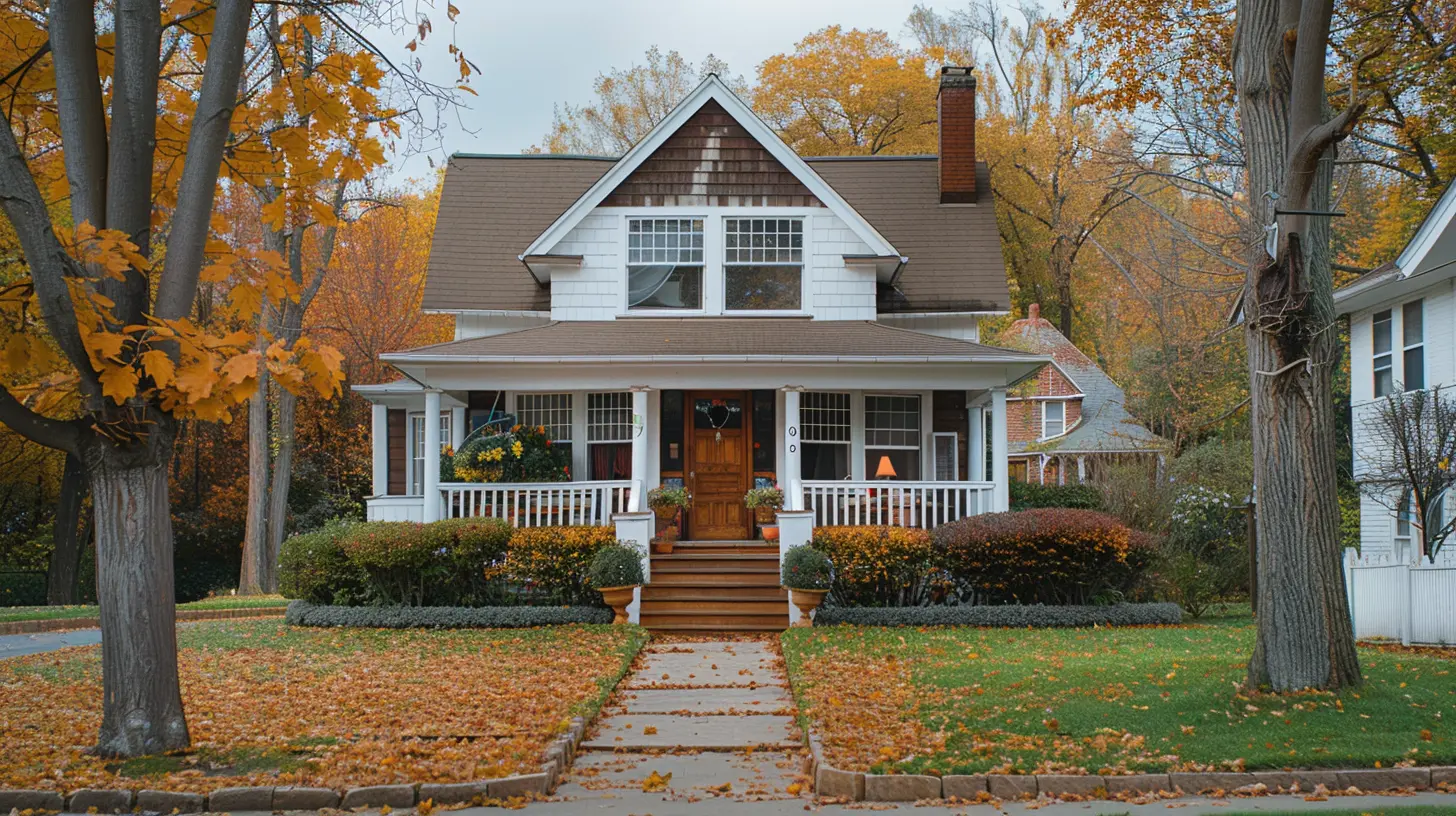
Step 1: Get Clear on Your Why
Before you start browsing suburban listings: pause.Ask yourself—why do you want to move?
- More room for a growing family?
- Tired of commuting through traffic that moves at a snail’s pace?
- Need outdoor space for pets?
- Want a stronger sense of community?
Knowing your “why” will help guide every other decision—from the neighborhood you pick to how you furnish your new place. Without a clear purpose, it’s easy to get overwhelmed or make choices you'll regret later.
Step 2: Research Potential Suburbs Like a Pro
Not all suburbs are cut from the same cloth.Some are just 20 minutes from the city center, with bustling shopping centers and gourmet restaurants. Others? More like 45 minutes out with winding roads, big yards, and a slower vibe you'd associate with small-town living.
When researching potential suburbs, here are some factors to consider:
- Commute time (Can you or your partner handle a longer commute?)
- School districts (Especially important if you have or want kids)
- Walkability (Suburbs vary widely—some are car-dependent, others have vibrant town centers)
- Safety
- Amenities (Grocery stores, gyms, parks, healthcare)
Take time to visit the neighborhoods, drive around during different times of day, and—if you can—talk to local residents. You’ll get a real feel for what daily life there might look like.
Step 3: Find the Right Home (That Doesn’t Feel Like a Huge Step Back)
You might be leaving city life behind, but that doesn’t mean giving up style, functionality, or convenience.Here’s what to look for in your new suburban home:
- Layout that matches your lifestyle
Maybe you’re working from home and need a proper office space now. Or you finally want a kitchen big enough to host Thanksgiving.
- Outdoor space
One of the biggest perks of suburbia is the yard. Decide if you want a little patch of grass for weekend grilling or a full-on garden.
- Potential for growth
Planning to expand your family? Choose a home that gives you room to grow, whether that’s extra bedrooms or a finished basement.
- Community features
Subdivisions often come with bonuses like pools, playgrounds, walking trails, or community centers. These can add a huge value to your everyday life.
Don’t rush into buying the first place that looks pretty. Let your goals—and your gut—help guide the decision.
Step 4: Adjust to the Lifestyle Shift
Let’s be real: going from ordering Thai food at 1 a.m. to “last call at Chili’s is 9:30” can be a tough adjustment.But here’s the thing—suburban life comes with its own rhythm and beauty. You just have to find your groove.
Build Your New Routine
You might need to tweak your daily habits. Instead of hopping on the subway, you’ll be driving. Instead of walking three blocks for groceries, you’re loading up the trunk in one go. Daily life becomes more spread out—but also more intentional.Get Involved Locally
Here’s the secret sauce to loving suburban life: community connection. It’s tempting to just nest at home, but you’ll settle in faster by:- Joining local Facebook groups or apps like Nextdoor
- Attending town events or farmers markets
- Enrolling your kids (or yourself!) in community activities
Embrace the Slower Pace
It might feel “boring” at first—but that extra quiet? It’s peace. That slower pace? It’s space to breathe, think, and reconnect with what matters.Think of it like switching from an action movie to a Sunday morning coffeehouse playlist. Different vibe. Still awesome.
Step 5: Maintain Some of Your City Habits (Yes, You Can)
Just because you moved to the suburbs doesn’t mean you have to give up everything you loved about the city.You can still:
- Plan weekend visits back to the city
- Stream your favorite yoga class instead of hitting a boutique studio
- Grow your own herbs if you miss rooftop gardens
- Host themed dinner parties when you miss dining out
Make your new lifestyle a blend of the best of both worlds.
Step 6: Expect—and Ride Out—the Culture Shock
Let’s talk about the elephant in the room: culture shock is real.You might feel out of place at first. The silence at night might feel eerie, the lack of 24/7 action might make you feel unplugged, and yes, the constant driving might drive you nuts.
Give yourself time to adapt. It’s normal to feel homesick for the city. But over time, you’ll start appreciating the slower pace, the friendly neighbors, and the way your kids can safely ride bikes outside while you sip coffee on the porch.
Bonus Tips for the Smoothest Transition
- Hire a local real estate agent who understands both city and suburban markets- Declutter before moving—that tiny apartment sofa might look lost in a suburban living room
- Map out must-have places (like your new grocery store, gym, pharmacy) early on
- Talk openly with family members about what they’re excited or nervous about
- Budget for new expenses, like lawn care, HOA fees, or more car maintenance
Final Thoughts: You’ve Got This
Making a big lifestyle change is never easy—but it can be incredibly rewarding. Suburban living isn’t “less than” city life. It’s just different.It’s hammock-over-high-rise. It’s lemonade-stand vibes over food-truck festivals. And for many people, it’s the setting where they finally feel settled.
Give yourself grace, bring your city smarts with you, and embrace the change one step (and one backyard BBQ) at a time.
all images in this post were generated using AI tools
Category:
Suburban HomesAuthor:

Melanie Kirkland
Discussion
rate this article
2 comments
Jamie White
Goodbye skylines, hello picket fences! Where's my lawn gnome?
March 7, 2026 at 1:25 PM
Melanie Kirkland
Sounds like you're ready for a new adventure! Lawn gnomes are essential for suburban charm... Happy settling in!
Cooper Erickson
Embracing suburbia is a refreshing change—enjoy the space and peace!
February 24, 2026 at 3:31 AM
Melanie Kirkland
Thanks! Suburbia really does offer a nice balance of space and tranquility. Glad you liked the article!