How to Work with Local Governments for Land Development Approvals
26 May 2026
Getting land development approvals might sound like cracking a secret code, but it’s not as mystifying as it seems—especially once you understand how local governments operate. Whether you’re flipping lots, planning a new commercial development, or launching a master-planned community, there’s no way around it: you’ve got to deal with local governments.
And let’s be real. That part usually isn’t the most exciting for developers. It’s paperwork, meetings, public hearings, zoning lingo, and sometimes, frustratingly slow progress. But hey, once you know how to play the game—and play it well—it can actually be a huge asset.
In this post, we’re breaking down how to work with local governments for land development approvals—from start to finish. Think of it as your insider’s guide to turning the red tape into a green light.
Why You Need Approvals in the First Place
Before we dig into the how, let’s talk about the why.Every city, county, or municipality has rules—zoning laws, building codes, environmental regulations—to ensure land is used safely and responsibly. These regulations help manage traffic, schools, infrastructure, and the overall character of a community. So, when you want to develop land, you’re not just affecting your own property—you’re changing the ecosystem around it.
Because of this, approvals are essential. Without them, you risk legal trouble, fines, or having to tear down what you’ve built. Yikes.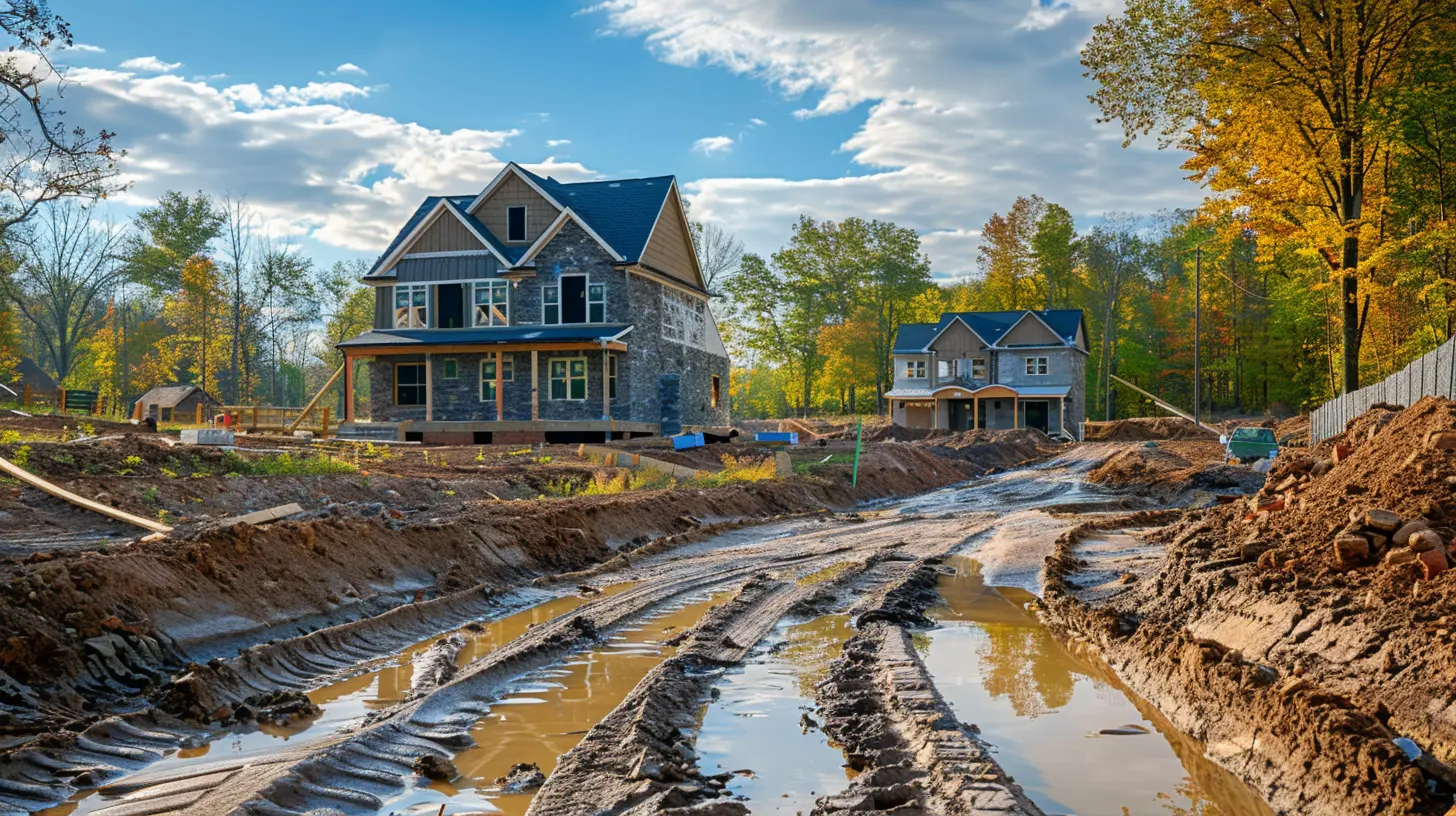
1. Understand the Local Government Structure
Not all local governments are built the same. One town might have a city council and planning department, while another might include a county-level zoning board or commissions.Take time to map out the following players:
- Planning Department – These folks are your first stop. They oversee zoning, land use plans, and can tell you what is (or isn’t) possible.
- Zoning Board / Commission – When you need changes to existing zoning, these are the decision-makers.
- City Council / County Commission – Typically approve higher-level plans and ordinances. If something’s controversial, it lands here.
- Building & Permitting Department – They handle site plans, building permits, inspections, and code enforcement.
- Public Works or Transportation Department – These teams evaluate how your development affects roads, traffic, and utilities.
The structure varies by location, so research the hierarchy. Knowing who does what can save you from running in circles.
2. Do Your Homework Before You Apply
Want to tick off a city planner fast? Show up unprepared. Before your first meeting, gather everything they’ll expect:- Zoning Maps & Land Use Plans – Is your project even allowed under the current zoning? If not, you’ll need a rezoning or variance.
- Topographic Data – What’s the land’s slope, natural features, flood zones, or protected areas?
- Previous Use – Has the land ever been contaminated? Was it agricultural or residential before?
- Infrastructure Availability – Can the site support new sewer, water, electrical, and road systems?
Doing this legwork makes city staff more likely to see you as a serious developer—not just someone trying to fast-track a project at the eleventh hour.
3. Build Relationships Early
Here’s a secret not found in permit applications: relationships matter.Local staff often have discretion during the approval process. And guess what? If they know you, respect you, and believe you’re playing by the rules, you’ll likely get smoother reviews and honest feedback.
Start by:
- Scheduling informal pre-application meetings
- Attending public hearings—even for projects you’re not involved in—just to observe and introduce yourself
- Connecting with city planners or zoning officials to ask questions, not make demands
- Being respectful and professional at all times
Remember: these folks deal with developers every day. The ones who succeed long-term are usually the ones who treat local officials like strategic partners, not obstacles.
4. Know Your Community (Because They’ll Have a Say)
Even if you get along great with city staff, don’t overlook the power of local residents.Most cities require public hearings before approving variances, rezonings, or large developments. That means neighbors can show up to support—or oppose—your project.
To avoid a PR nightmare, engage the community early. That could mean:
- Sending mailers or newsletters to nearby residents
- Hosting open houses or informational sessions
- Creating a project website or social media page for updates
- Addressing concerns like traffic, noise, or school impact head-on
It’s not just a feel-good move; it’s a strategic one. A well-informed, supportive community can mean the difference between approval and delays.
5. Hire The Right Team—And Listen to Them
You can't do this solo—not if you’re serious. Approval processes involve a range of expertise, so surround yourself with a solid crew. Your team might include:- Land Use Attorneys – Especially helpful for zoning changes or legal appeals
- Civil Engineers – They design the infrastructure that meets local regulations
- Surveyors – Map out boundaries, slopes, topography, setbacks, and more
- Environmental Consultants – Key if your land touches wetlands or protected habitats
- Traffic Consultants – Often required when your project generates significant traffic
Listen to their feedback. If your attorney says you’re pushing the limits of what’s allowed? Pump the brakes. If your engineer sees a major stormwater issue? Adjust the plans.
Trying to cut corners here is like building a house without a foundation. Don’t do it.
6. Follow the Application Process to the Letter
Every local government has its own review process, timelines, and requirements. Some even have checklists or online portals—use them like treasure maps.Key steps usually include:
- Pre-Application Meeting (Optional but Recommended) – An early chance to get feedback
- Formal Application Submission – Includes plans, studies, engineering work, and fees
- Staff Review Period – City staff reviews your submittal, may ask for revisions
- Planning Commission Hearing – Public meeting where your project is vetted
- City Council or County Hearing – Final approval (or denial)
Hit every deadline. Provide thorough responses to review comments. And always have backup documentation ready. Getting sloppy here only slows you down.
7. Be Ready to Compromise
Here’s the truth: You probably won’t get 100% of what you want.Maybe the planning staff recommends smaller building heights. Maybe the community wants more green space. Maybe the traffic review shows your entrance needs to move.
Don’t dig in your heels. Flexibility goes a long way.
Sure, defend the essentials. But be willing to adjust non-critical components. Show you’re working with—not against—the community.
It’s a two-way street. Make a few concessions now, and you’ll likely get more support when final approvals roll around.
8. Keep the Lines of Communication Open
Once approvals are in motion, don’t go radio silent. Keep everyone in the loop, including:- City Staff – Provide updates, revised plans, or clarifications as needed
- Community Members – Use email lists or social media to share your progress
- Your Design Team – Schedule regular check-ins and status calls
Most delays happen when there’s a breakdown in communication. Prevent that by being proactive, responsive, and transparent.
9. Be Patient—But Persistent
Let’s be honest. The approval process can be slow. Some municipalities take weeks—or even months—to return comments. Public hearings get postponed. Staff turnover causes delays.It’s frustrating, no doubt.
But don’t let delays derail your entire timeline. Be patient but assertive. Stay connected. And when in doubt, follow up—nicely.
This isn’t a sprint. It’s a marathon. But once you cross the finish line and get those approvals in hand? You’re golden.
10. Celebrate the Win—Then Get to Work
Once you’ve got your approvals, pop the champagne—but only briefly. The real work is just beginning. Permits still need pulling. Contractors need hiring. Timelines need managing.But guess what? You did the hardest part already.
You navigated local government. You earned trust. You built support. And you laid the groundwork for a smooth build-out.
And that’s worth toasting.
Final Thoughts
Working with local governments for land development approvals doesn’t have to be a soul-sucking nightmare. With the right approach—research, relationships, respect, and responsiveness—you’ll not only get approvals, but also set the stage for long-term success on your project.Stay humble. Stay curious. And remember: every “no” is just one step closer to your “yes.
all images in this post were generated using AI tools
Category:
Land DevelopmentAuthor:

Melanie Kirkland
Discussion
rate this article
1 comments
Rina Walker
Navigating land development approvals can be tricky. Building strong relationships with local government officials is key. Regular communication and understanding their guidelines can streamline the process and enhance project success. Start early and be proactive.
June 8, 2026 at 2:35 AM
Melanie Kirkland
Absolutely! Building relationships and maintaining open communication with local officials is crucial for a smoother approval process. Starting early really makes a difference.