Is 20% Down Always Necessary? Demystifying the Down Payment Rule
31 July 2026
Buying a home is one of the biggest financial decisions most people will ever make. If you're even considering purchasing property, you've probably been told that you need a 20% down payment. But is that really the case?
The short answer: No, 20% down is NOT a strict requirement.
While putting down 20% has its advantages, there are plenty of ways to buy a home with less. In this guide, we'll break down the myths, benefits, and realistic alternatives when it comes to down payments. 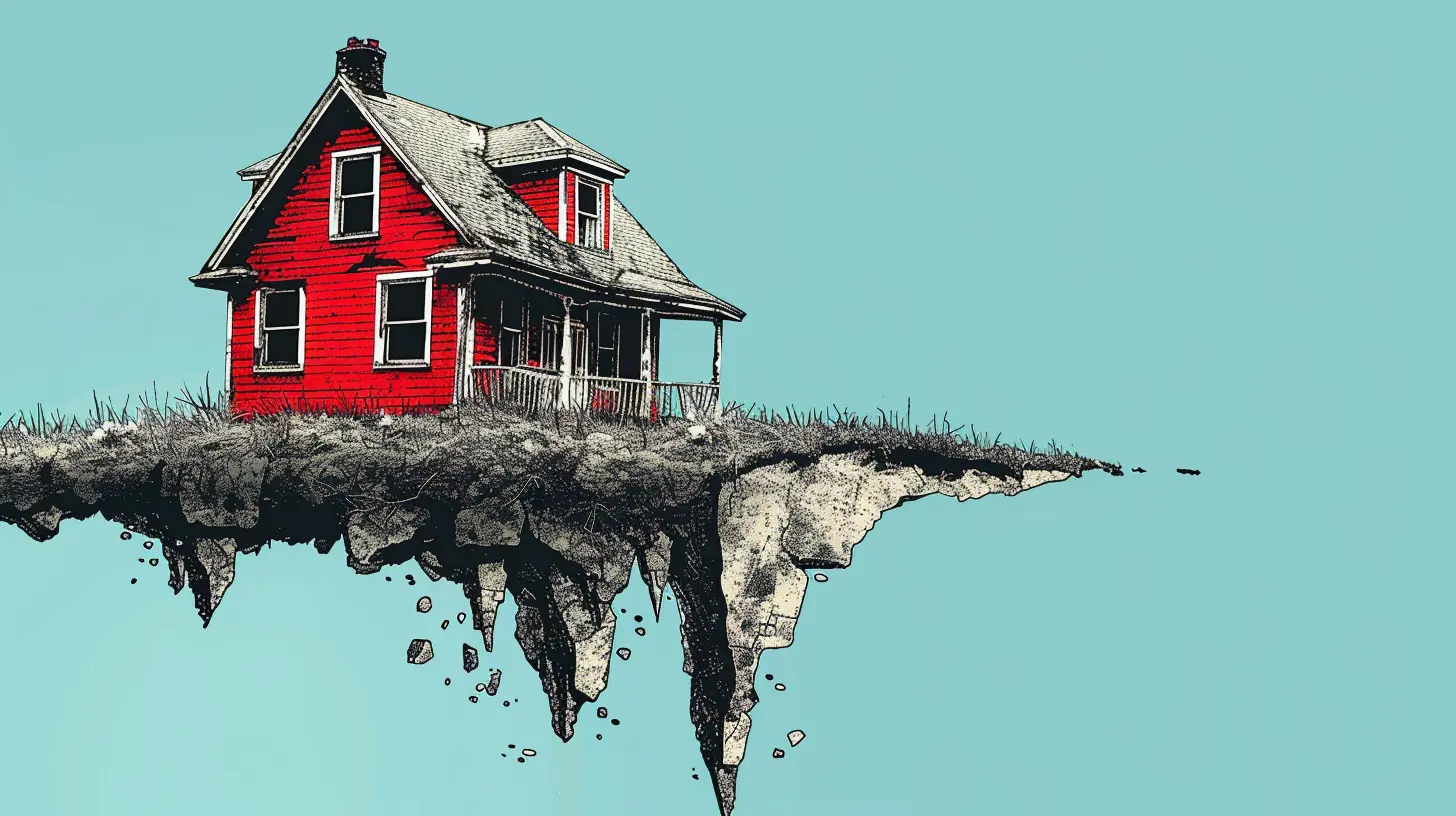
The 20% Down Payment Rule: Where Did It Come From?
The idea that you need to put 20% down originates from traditional lending practices. Years ago, banks didn’t want to take big risks, so they required significant upfront payments to secure mortgages.Even today, lenders prefer 20% down because it:
- Lowers their risk (less money borrowed means lower default risk).
- Eliminates the need for private mortgage insurance (PMI).
- Gives the homebuyer instant equity in their home.
But let's be honest—saving up 20% of a home’s price isn’t easy. With property values climbing, that can mean tens (or hundreds) of thousands of dollars. Thankfully, there are ways to buy a home with a lower down payment. 
Do You Really Need 20%? The Truth About Mortgage Options
1. Conventional Loans: As Low As 3% Down
Many people assume conventional loans require 20% down, but that’s not true. Certain programs allow borrowers to put as little as 3%–5% down, depending on their credit score and lender requirements.However, keep in mind:
- If you put less than 20% down, you'll likely need PMI, which adds to your monthly costs.
- PMI isn’t permanent—once you reach 20% home equity, you can cancel it.
2. FHA Loans: Just 3.5% Down
If you have a lower credit score or want a smaller down payment, FHA loans are a great option. Backed by the Federal Housing Administration, these loans allow down payments as low as 3.5%.Pros of FHA loans:
✔️ Lower credit score requirements (often 580+)
✔️ Smaller down payment needed
✔️ Competitive interest rates
Cons:
❌ Requires mortgage insurance premiums (MIP) for the life of the loan (unless refinanced)
❌ Borrowing limits based on location
3. VA Loans: 0% Down for Eligible Service Members
If you’re a veteran, active-duty military member, or qualifying spouse, you might qualify for a VA loan, which requires ZERO down payment and no PMI.This is one of the best loan options available, but you must meet certain eligibility requirements.
4. USDA Loans: 0% Down for Rural Homebuyers
If you're looking to buy in a rural area, the USDA loan program allows 0% down for eligible buyers. It’s backed by the U.S. Department of Agriculture, offering low interest rates and flexible terms.To qualify:
- The home must be in an approved rural location.
- You must meet income limits set by the USDA. 
The Benefits of a 20% Down Payment
While you don’t HAVE to put 20% down, there are some clear perks if you do:✅ No PMI
Private mortgage insurance (PMI) can cost 0.5%–1% of the loan amount annually. By putting 20% down, you skip this extra cost.✅ Lower Monthly Payments
Since you’re borrowing less, your mortgage payments will be lower compared to someone who puts less down.✅ Better Interest Rates
Lenders often offer lower interest rates for buyers with higher down payments, saving you money over time.✅ Instant Home Equity
With 20% down, you immediately own a big chunk of your home, giving you financial flexibility if you ever need to sell or refinance.
When Does It Make Sense to Put Less Than 20% Down?
While putting 20% down has advantages, it’s not always the smartest move. Here are some cases where a lower down payment makes sense:1. You Want to Buy Sooner
If waiting to save 20% means renting for several more years, you could be losing out on home appreciation. Buying sooner—especially in a rising market—may make more financial sense.2. You Need to Keep Cash for Emergencies
Wiping out your savings just to hit 20% is risky. What if a surprise expense pops up? Keeping some cash reserves can give you peace of mind.3. You Qualify for First-Time Homebuyer Programs
Many state and local governments offer down payment assistance programs that can help cover costs, making homeownership more affordable even with a small down payment.4. You Expect Your Income to Grow
If you're early in your career and expect future salary increases, a lower down payment now might make sense since you'll be able to handle higher mortgage payments later.Smart Strategies for a Lower Down Payment
If you're planning to buy a home with less than 20% down, here are some tips:1. Improve Your Credit Score
A higher credit score can help you qualify for better interest rates, which can save you thousands over the life of your loan.2. Shop Around for Lenders
Different lenders offer different loan programs. Compare multiple mortgage options to find the best fit for your situation.3. Budget for PMI
If you’re putting less than 20% down, account for PMI costs in your budget. Remember, PMI isn’t forever—you can remove it once you’ve built enough equity.4. Consider a Piggyback Loan
Some buyers use a “80-10-10” loan strategy, where they:- Put down 10%
- Get a first mortgage for 80%
- Take out a second mortgage for 10%
This approach helps avoid PMI while still putting less than 20% down.
Final Verdict: How Much Should You Put Down?
So, do you really need 20% down to buy a home? Absolutely not.While 20% has its advantages, it’s far from the only way to secure a mortgage. Depending on your financial situation, a lower down payment might actually be the smarter choice.
The key is to understand your options, weigh the costs, and make a decision that best suits your long-term financial goals.
If saving for 20% is holding you back from homeownership, take a deep breath—there are plenty of great alternatives!
all images in this post were generated using AI tools
Category:
Down PaymentsAuthor:

Melanie Kirkland
Discussion
rate this article
1 comments
Ardent Lambert
Great article! It's refreshing to see the conversation around down payments shift. Many buyers often feel pressured by the 20% rule, but understanding your options opens doors. Homeownership is within reach for so many more people than we realize. Keep exploring!
August 2, 2026 at 4:35 AM
Melanie Kirkland
Thank you for your thoughtful comment! I completely agree-providing clarity on down payment options can truly empower buyers. Let's keep the conversation going!