Secrets to Maintaining Your Home’s Roof for Longevity
28 July 2026
Your home’s roof is like a sturdy umbrella, shielding you from the elements day in and day out. But without proper care, even the strongest roof can deteriorate, leading to costly repairs or even premature replacement. The good news? A little maintenance goes a long way in preserving your roof's integrity.
If you want your roof to stand the test of time, you need to be proactive. In this guide, we'll uncover the essential secrets to maintaining your home’s roof for longevity. Let’s dive in! 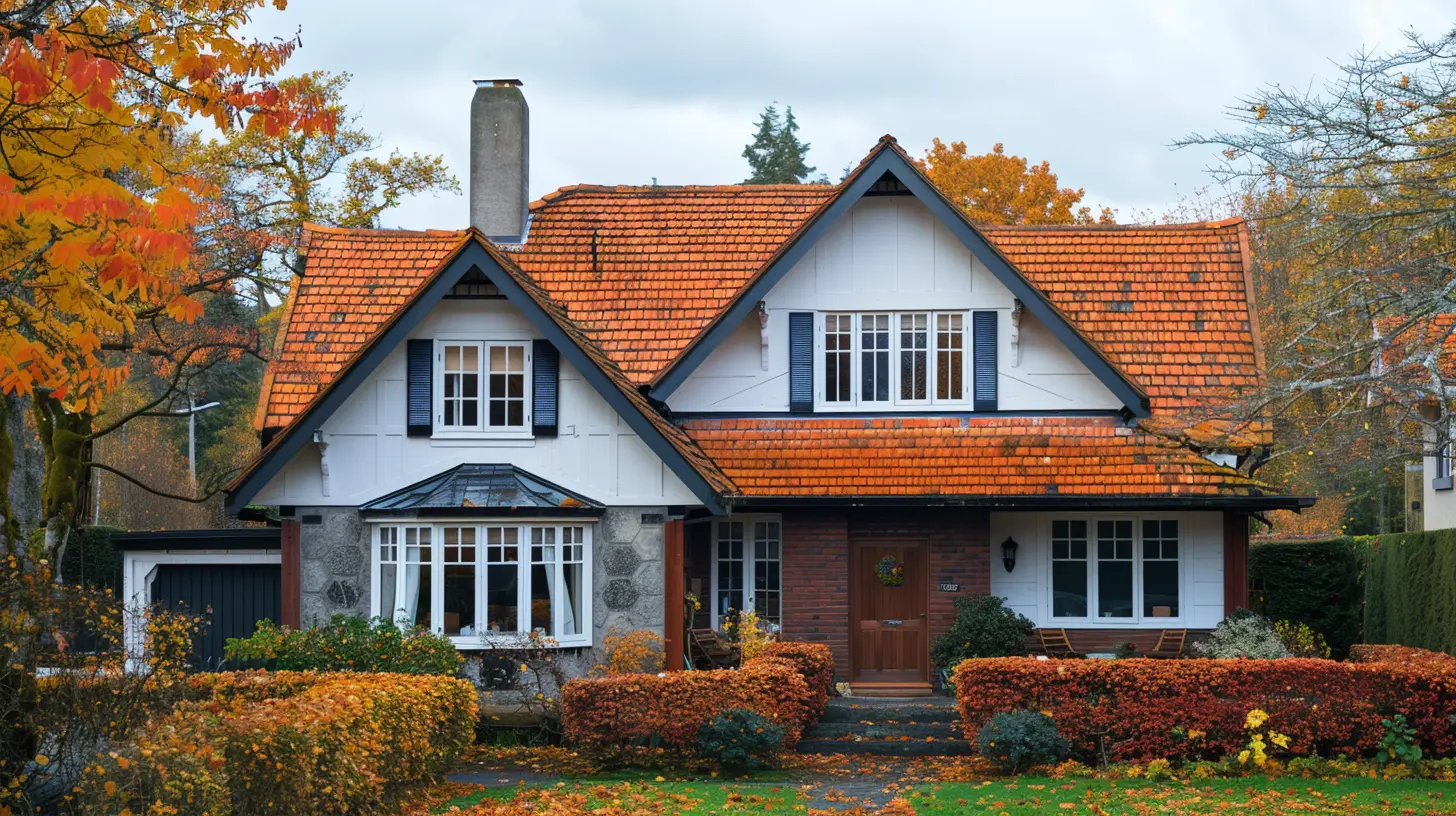
1. Inspect Your Roof Regularly
Think of your roof like your car. You wouldn’t drive for years without an oil change or a check-up, right? The same principle applies here. Conduct a thorough roof inspection at least twice a year—once in the spring and again in the fall.What to Look For:
- Missing or damaged shingles – These can lead to leaks and structural damage.- Moss or algae growth – While it might look harmless, it can trap moisture and weaken your roof over time.
- Cracked or damaged flashing – Flashing prevents water from seeping into vulnerable areas, like chimneys and vents.
- Sagging or soft spots – This could indicate water damage or rotting wood beneath the surface.
If climbing onto your roof isn’t an option, use binoculars or hire a professional to get a closer look. 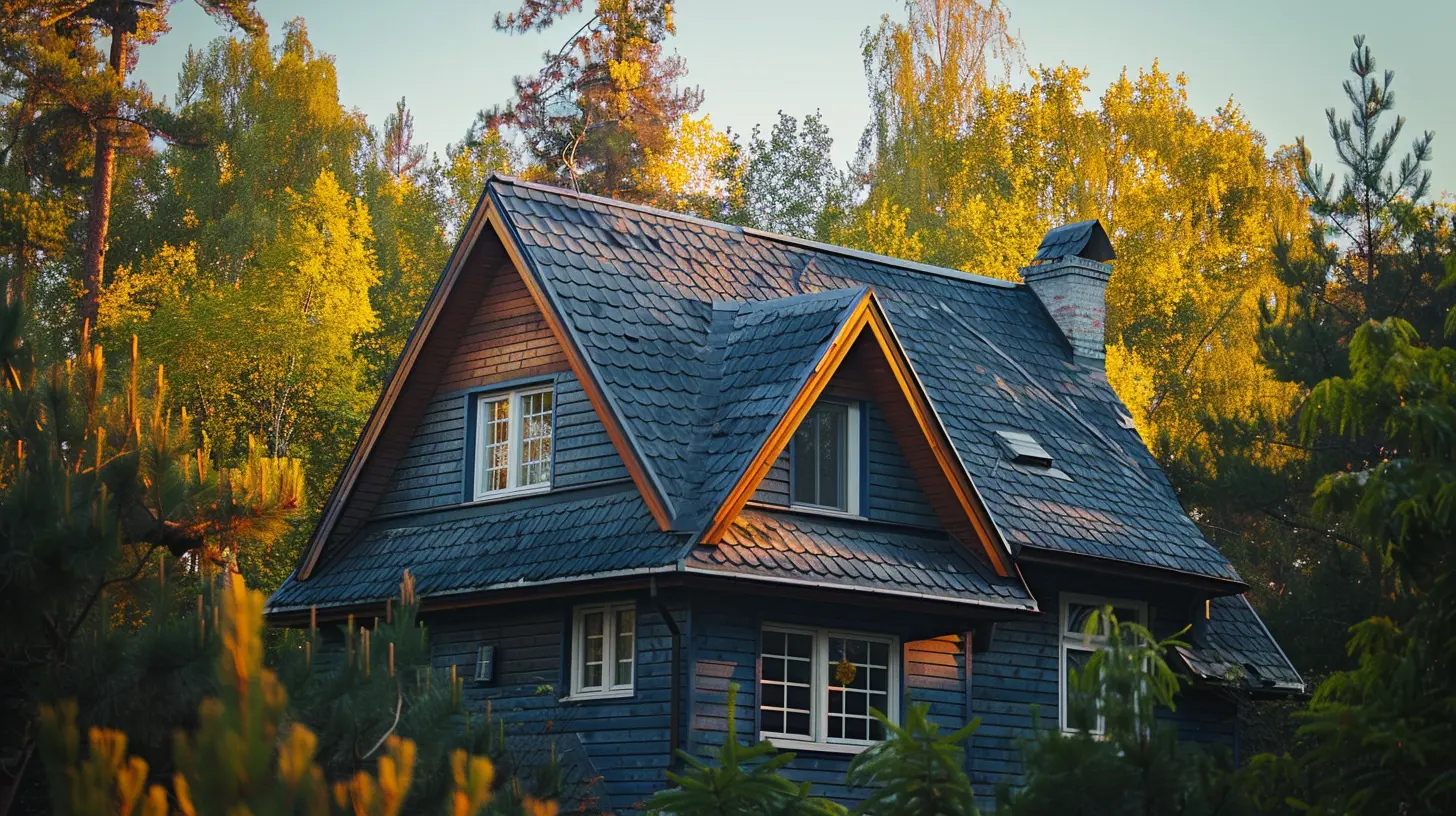
2. Keep Your Gutters Clean
Clogged gutters might seem like a minor inconvenience, but they can wreak havoc on your roof. When gutters fill up with leaves, dirt, and debris, water can’t flow properly. Instead, it backs up and seeps under your shingles, leading to leaks and potential rot.How to Maintain Your Gutters:
- Clean them at least twice a year – Preferably in the spring and fall.- Use gutter guards – These prevent debris buildup and reduce maintenance.
- Check for proper drainage – Water should flow smoothly out of the downspouts and away from your home’s foundation.
A little effort in gutter maintenance can save you thousands in roof repairs! 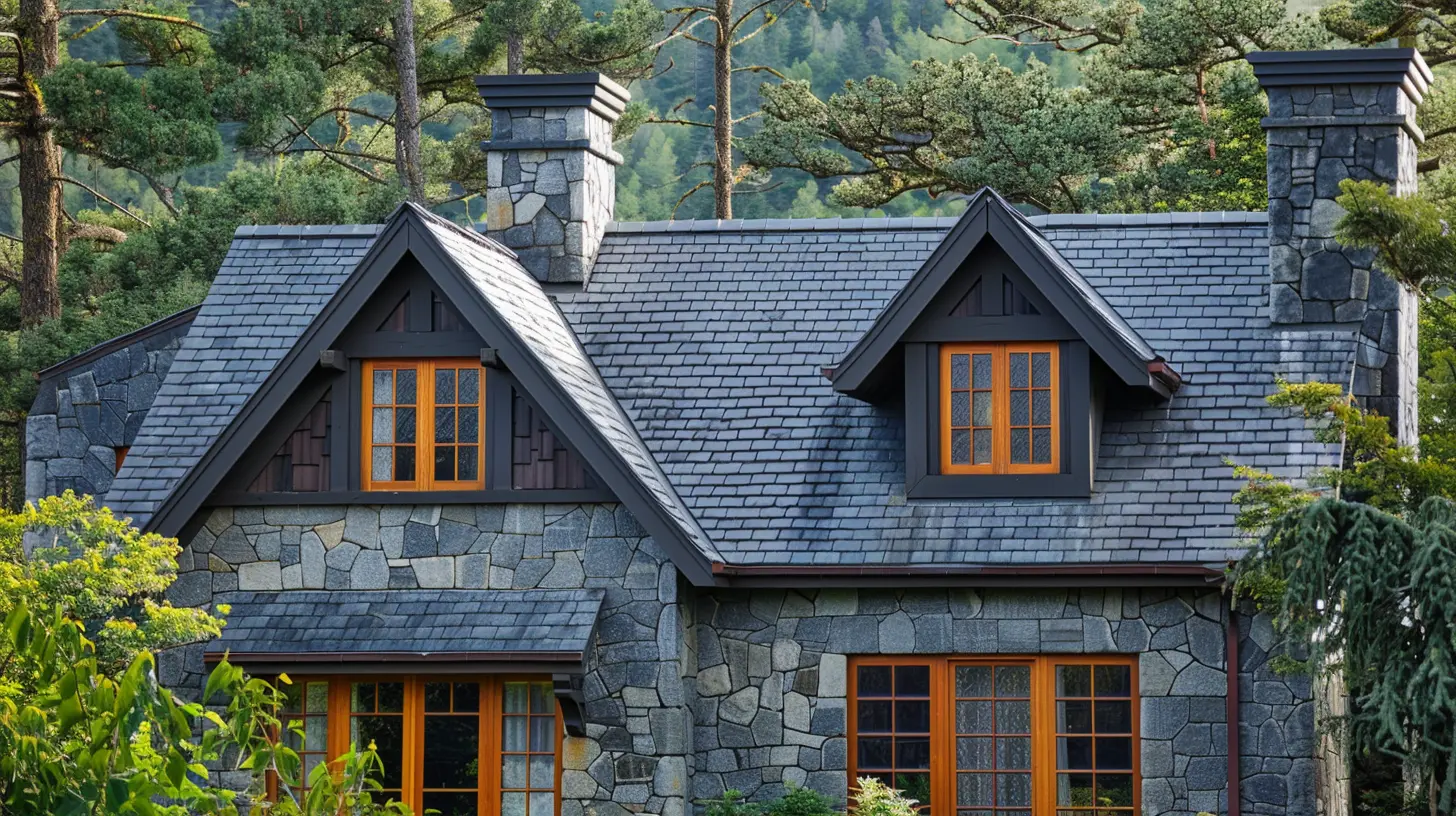
3. Trim Overhanging Branches
Overhanging branches pose a major threat to your roof’s lifespan. Strong winds or storms can break branches, sending them crashing onto your shingles. Even small branches constantly brushing against your roof can wear down protective layers over time.What You Can Do:
- Trim branches back at least 10 feet away from your roof to prevent damage.- Watch out for dead or weak limbs—these are more likely to break and cause problems.
- Hire a professional if necessary—cutting large branches can be risky and might require expert handling.
By keeping trees in check, you’ll reduce the risk of damage while also preventing leaves from clogging your gutters. 
4. Address Small Issues Before They Become Big Problems
One of the biggest mistakes homeowners make? Ignoring minor roofing problems. A small leak or missing shingle might not seem urgent, but over time, these issues can snowball into major (and expensive) repairs.Warning Signs You Shouldn’t Ignore:
- A water stain on your ceiling—This usually means water is leaking from the roof.- Curling or buckling shingles—These indicate aging or moisture issues.
- Granules in your gutters—If you notice shingle granules washing away, your roof may be deteriorating.
Whenever you spot a minor issue, fix it right away. A little attention now can save you a massive headache later.
5. Ensure Proper Ventilation and Insulation
A poorly ventilated attic can cause extreme temperature fluctuations, leading to condensation, mold growth, and even roof damage. If heat gets trapped in your attic, it can also speed up the aging process of your shingles.Roof Ventilation Tips:
- Install ridge and soffit vents to allow air to flow properly.- Ensure proper attic insulation to maintain a stable temperature.
- Check for mold or mildew growth—this could be a sign of poor airflow.
Think of ventilation as your roof’s breath—it needs to exhale excess heat and moisture to stay in top shape.
6. Remove Snow and Ice During Winter
If you live in a colder climate, heavy snow and ice buildup can put excessive weight on your roof. Ice dams—those thick ridges of ice that form along your roof’s edges—can trap melting snow, causing water to back up under your shingles.How to Prevent Ice Dams:
- Use a roof rake to gently remove excess snow.- Ensure attic insulation is adequate to reduce heat escaping through the roof.
- Keep gutters clean to allow proper drainage.
A little winter maintenance can prevent major damage when the snow starts to melt.
7. Schedule Professional Roof Inspections
Even if your roof looks fine on the surface, hidden issues might be lurking beneath. That’s why it’s wise to schedule a professional roof inspection at least once every few years. A trained roofer can spot potential problems before they turn into costly repairs.Benefits of Professional Inspections:
- Early detection of leaks, cracks, and deterioration- Evaluation of flashing, insulation, and ventilation
- Expert advice on necessary repairs or improvements
Think of it as a health checkup for your home—the small investment is well worth the peace of mind.
8. Use High-Quality Roofing Materials
If you’re planning to replace your roof or make repairs, always go for high-quality materials. While they might cost more upfront, they’ll last longer and provide better protection.Top Roofing Materials for Longevity:
- Asphalt shingles – Affordable and durable, lasting 20-30 years.- Metal roofing – Can last 40-70 years and withstand harsh weather.
- Clay or slate tiles – Extremely durable, with a lifespan of 50-100 years.
Investing in quality roofing materials is like buying a sturdy pair of boots—they’ll protect you longer and save you money in the long run.
9. Protect Your Roof with Proper Waterproofing
Water is a roof’s biggest enemy. To prevent leaks and water damage, consider applying waterproof coatings or sealants. These act as an extra layer of defense, keeping moisture out and extending your roof’s lifespan.Waterproofing Tips:
- Use a water-resistant underlayment before laying shingles.- Apply a silicone or acrylic roof coating for added protection.
- Check for cracks or gaps around flashing, vents, and chimneys.
Think of waterproofing like sunscreen for your roof—it helps prevent long-term damage from exposure to the elements.
10. Keep an Eye on Your Roof’s Age
No roof lasts forever, no matter how well you maintain it. If your roof is approaching the end of its expected lifespan, it’s best to start planning for a replacement before problems arise.How to Know It’s Time for a New Roof:
- Shingles are curled, missing, or in poor condition.- Your roof is over 20-30 years old (depending on material).
- You’re experiencing frequent leaks or water damage.
Being aware of your roof’s age helps you plan ahead, preventing unexpected surprises.
Final Thoughts
Caring for your roof doesn’t have to be complicated, but it does require consistency. By staying proactive with inspections, cleaning, and maintenance, you’ll not only extend your roof’s lifespan but also save money on costly repairs in the long run.Your roof is your home’s first line of defense—treat it with care, and it will protect you for years to come!
all images in this post were generated using AI tools
Category:
Home Improvement TipsAuthor:

Melanie Kirkland
Discussion
rate this article
1 comments
Arianth Bell
Great insights on roof maintenance! Regular inspections and timely repairs really do make a difference. Investing a little effort now can save significant costs and headaches down the line. Thanks for sharing these tips!
August 4, 2026 at 3:37 AM
Melanie Kirkland
Thank you! I'm glad you found the tips helpful. Regular maintenance truly pays off in the long run.