The Resurgence of the Townhouse in Urban Landscapes by 2026
17 September 2026
Something interesting is happening in cities across North America and Europe. After decades of suburban sprawl and the dominance of the single-family detached home, the townhouse is making a serious comeback. Not as a compromise for people who cannot afford a detached house, but as a deliberate choice for buyers who want space, community, and proximity to urban amenities without the maintenance burden of a large property.
By 2026, this shift will be even more pronounced. Several forces are converging: changing work patterns, housing affordability pressures, demographic shifts, and evolving preferences among both younger buyers and empty nesters. Understanding why townhouses are resurging, where they work best, and what to watch out for can help buyers, investors, and developers make smarter decisions.
Why the Townhouse Fell Out of Favor
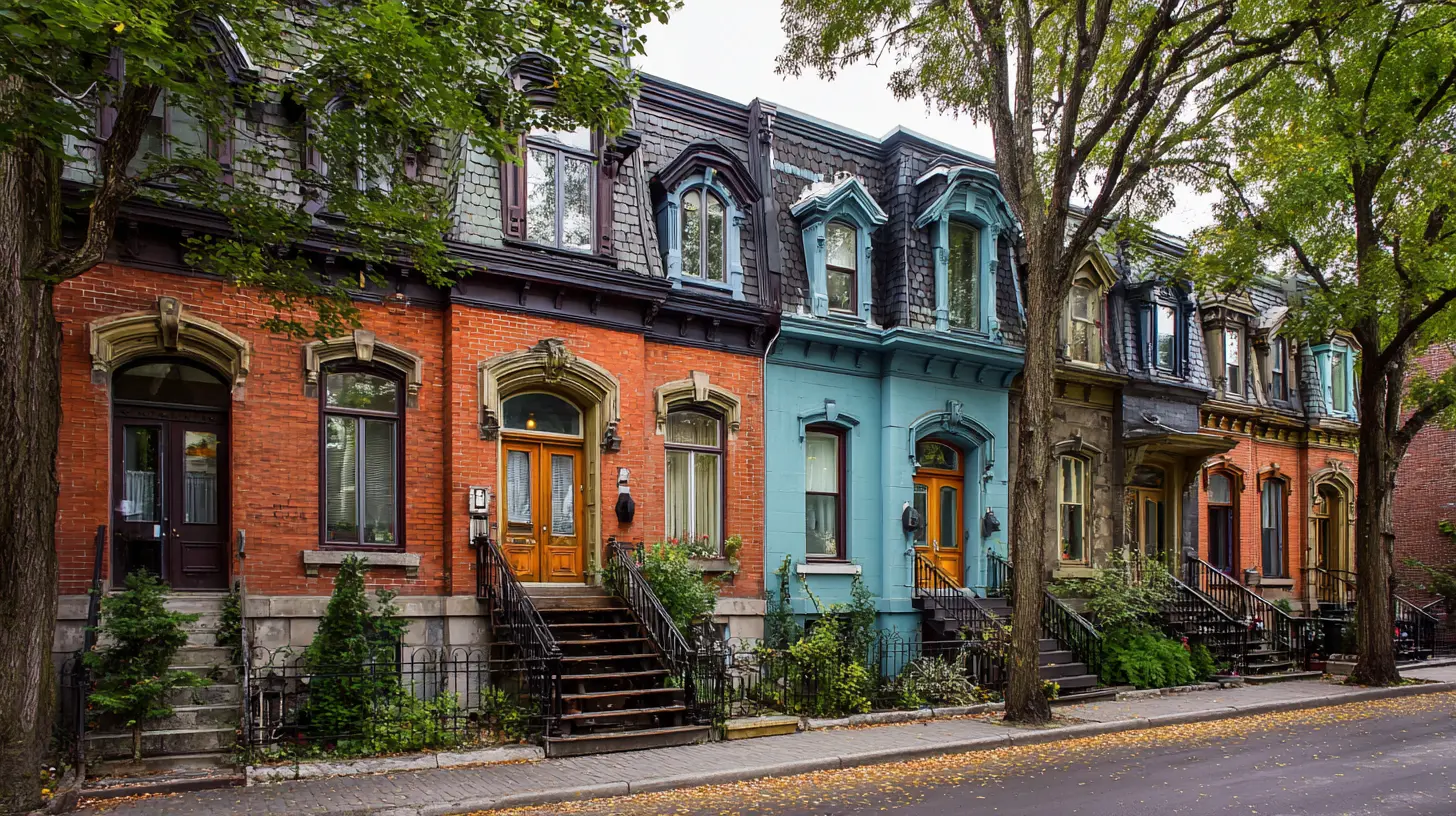
To understand the resurgence, you need to understand the decline. After World War II, North American cities prioritized the automobile. Zoning codes favored single-family detached homes on large lots. Federal mortgage programs made suburban homeownership accessible to millions. The townhouse, which had been a staple of pre-war urban neighborhoods in cities like Boston, Philadelphia, and San Francisco, became associated with older, denser areas that many families were leaving behind.Meanwhile, suburbs offered something powerful: the promise of private space. A yard. A driveway. Distance from neighbors. For a generation that had experienced war and scarcity, that privacy felt like success.
But that model has limits. And those limits are becoming increasingly visible.
The Forces Driving the Comeback
Affordability and the Math of Land
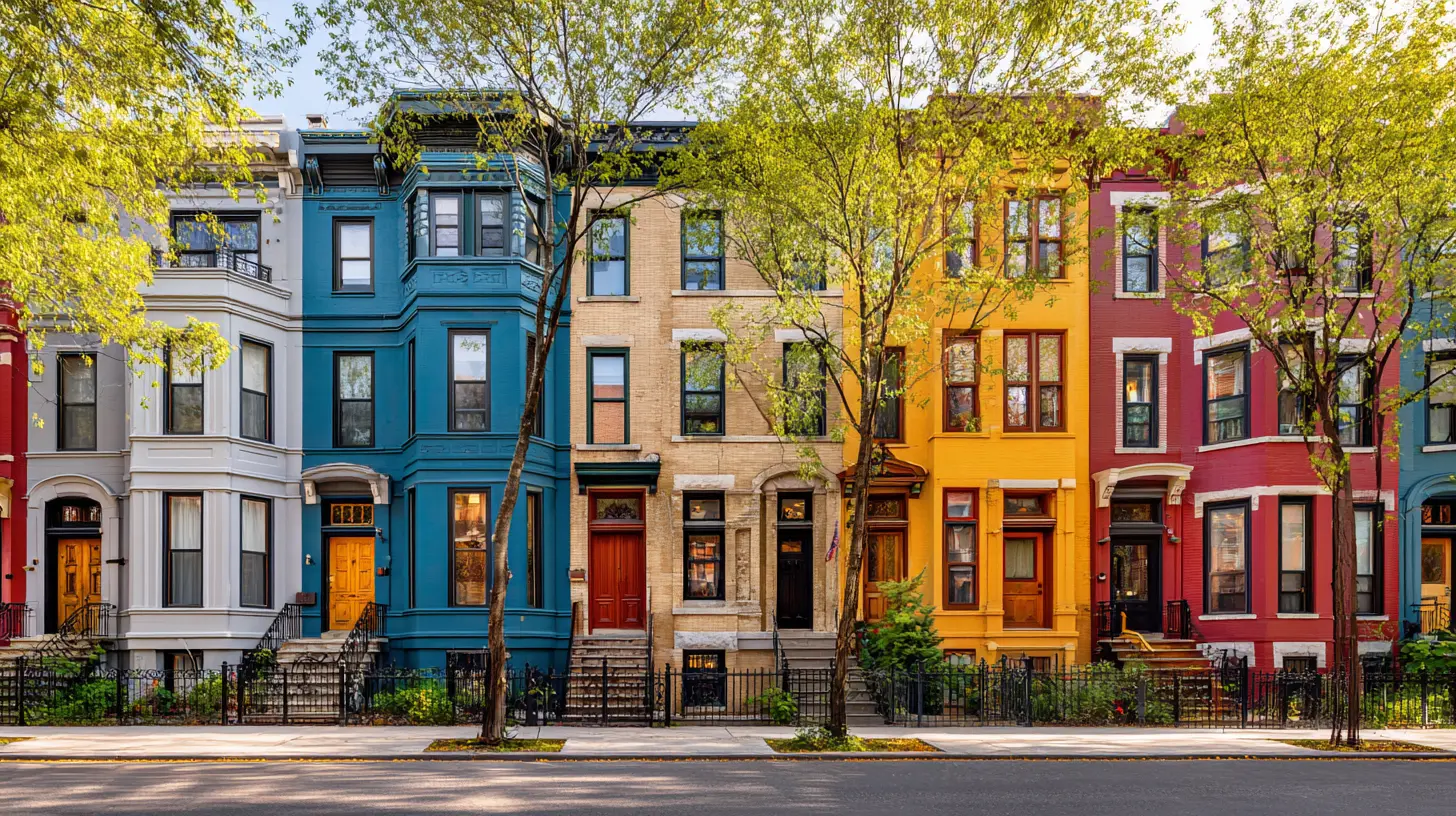
The simplest explanation is often the most accurate: land is expensive, and townhouses use it more efficiently than detached homes. In most markets, the cost of land represents a significant portion of a new home's price. A townhouse development can fit eight to twelve units on an acre of land where a detached subdivision might fit four or five. That density reduces the per-unit land cost dramatically.This matters for buyers because it means townhouses can be priced 20 to 40 percent below comparable detached homes in the same area. For first-time buyers trying to enter the market, that difference is often the line between owning and continuing to rent.
But it is not just about price. It is about what buyers get for that price. A well-designed townhouse offers multiple levels of living space, often with a private outdoor area, a garage, and modern finishes. The trade-off is a shared wall and a smaller footprint. For many buyers, that trade-off is worth it.
The Remote Work Revolution
The pandemic changed how millions of people work, and those changes have stuck. By 2026, hybrid and remote work arrangements are standard in many knowledge industries. This has two major implications for housing.First, people need dedicated workspace at home. A townhouse with multiple floors can provide that separation in ways a small apartment cannot. The ability to close a door on a home office and walk downstairs to family space is valuable.
Second, the daily commute matters less. If you only go into the office two or three days a week, living 30 or 40 minutes from the city center is more tolerable. But many buyers are choosing the opposite: they want to live closer to urban amenities because they are not spending five days a week in a car. Townhouses in walkable neighborhoods offer that proximity at a lower price point than detached homes.
Demographic Shifts
Two groups are driving townhouse demand: millennials in their family-forming years and baby boomers looking to downsize.Millennials, now the largest cohort of homebuyers, have shown a preference for urban living and walkability. Many grew up in suburban detached homes and are not eager to replicate that lifestyle. They want to be near restaurants, parks, and transit. But they also want space for children and a home office. The townhouse fits that brief.
Baby boomers, meanwhile, are selling the family home and looking for something smaller. But "smaller" does not mean "apartment." Many want to stay in their community, maintain some outdoor space, and avoid the noise and management issues of a condo building. A townhouse offers a middle path: less maintenance than a detached home, more autonomy than a condo.
Municipal Policy and Zoning Reform
Cities are changing their rules. In response to housing shortages, many municipalities have legalized missing middle housing, a category that includes townhouses, duplexes, and small apartment buildings. Minneapolis, Portland, Austin, and numerous other cities have reformed zoning to allow more density in traditionally single-family neighborhoods.This matters because zoning has been one of the biggest barriers to townhouse construction. When the only legal option is a detached house on a large lot, developers build exactly that. When townhouses are permitted by right, the economics shift.
By 2026, these reforms will have produced visible results in many cities. Not a transformation, but a gradual thickening of neighborhoods with townhouse infill projects.
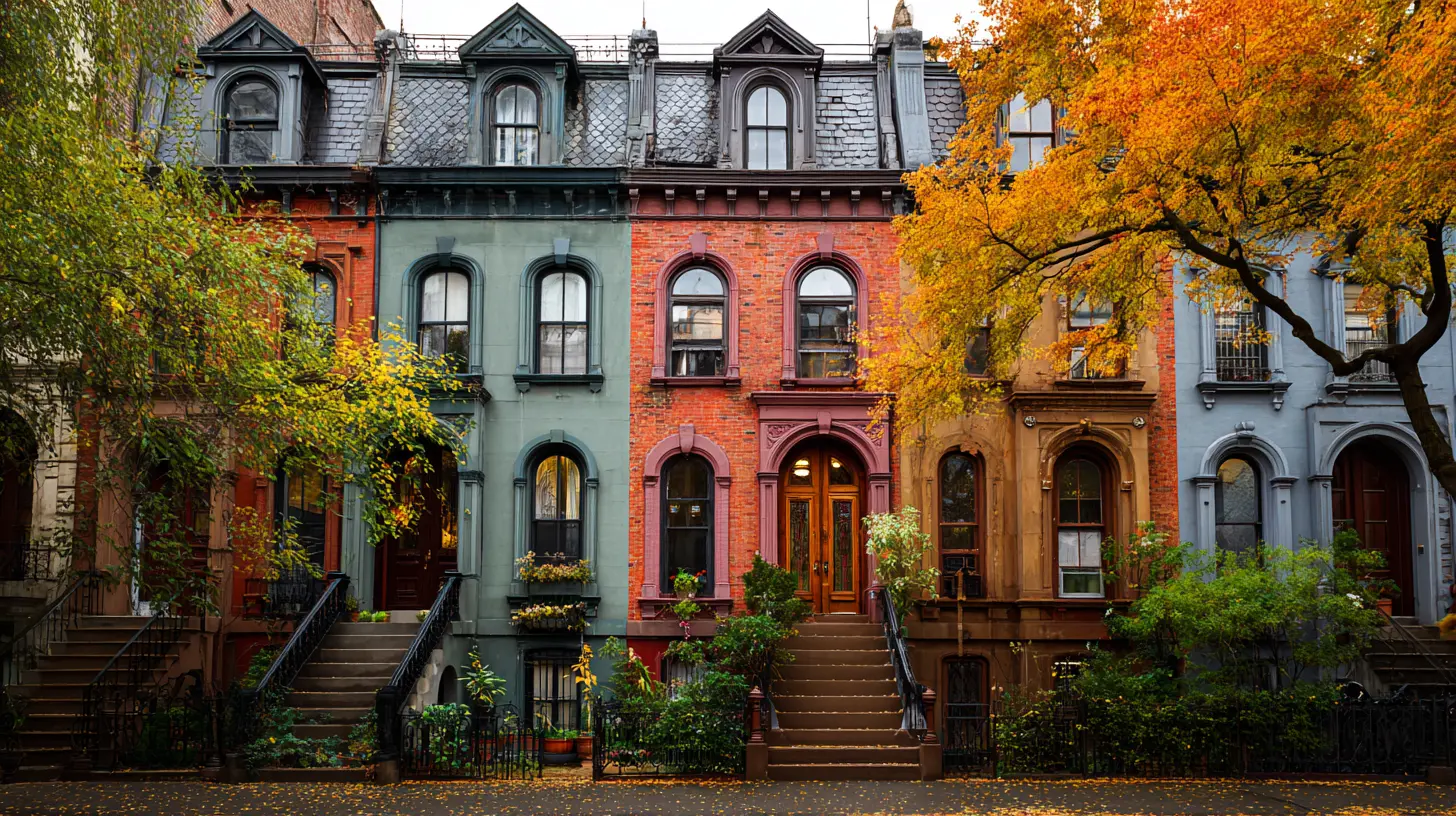
What Makes a Townhouse Work
Not all townhouses are created equal. The difference between a townhouse that appreciates and one that languishes often comes down to design and location.Location Fundamentals Still Apply
The same rules that apply to any real estate apply to townhouses. Proximity to employment centers, transit, good schools, and amenities drives value. A townhouse in a walkable neighborhood with access to rail or bus rapid transit will outperform a townhouse in a car-dependent suburb.But there is a nuance. Townhouses can succeed in locations where detached homes would not. Because they are more affordable, they can serve buyers who want to live in expensive neighborhoods but cannot afford a detached house there. This "entry point" dynamic can drive strong demand.
Design Matters More Than You Think
Townhouse design has evolved significantly. The best new projects avoid the mistakes of earlier generations.Width is critical. A townhouse that is 16 feet wide feels very different from one that is 24 feet wide. Narrow units can feel cramped and dark. Wider units allow for better light, more flexible furniture layouts, and a greater sense of space.
Window placement matters. End units with windows on three sides are far more desirable than middle units with windows only at the front and back. Developers often price end units at a premium, and buyers should understand why.
Ceiling height, stair design, and outdoor space all contribute to how a townhouse feels. A rooftop terrace, a small backyard, or a balcony can transform the living experience. The absence of any private outdoor space is a significant drawback for most buyers.
The HOA Question
Most townhouses are part of a homeowners association or similar shared ownership structure. This is necessary because shared walls and common areas require shared maintenance. But HOAs vary enormously in quality and cost.Before buying a townhouse, you need to understand what the HOA covers, what it costs, and how well it is managed. A poorly managed HOA can lead to special assessments, deferred maintenance, and conflict. A well-managed HOA can protect property values and make life easier.
Ask for the HOA's reserve study, budget, and meeting minutes. Look for signs of trouble: low reserves, frequent special assessments, litigation, or high turnover among board members.
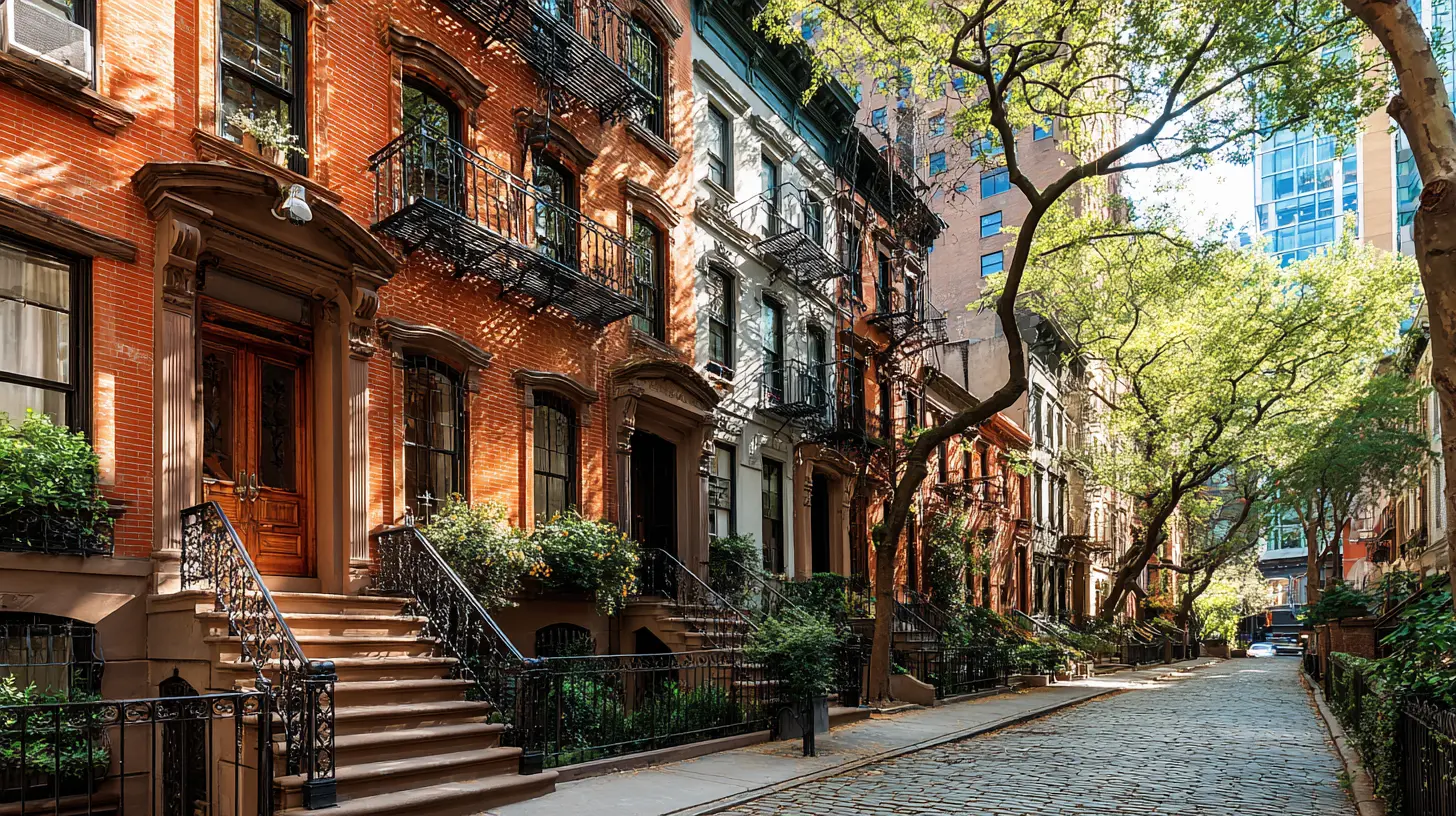
Townhouse vs. Condo vs. Detached: A Practical Comparison
Buyers often struggle to choose between these three options. Here is a straightforward comparison.Detached House
You own the land and the structure. You have maximum privacy and control. You are responsible for all maintenance, which can be expensive and time-consuming. You have the most flexibility for renovations and additions, subject to zoning rules.Best for: Buyers who value privacy and autonomy, are willing to handle maintenance, and can afford the higher price point.
Condo
You own your unit and a share of common elements. You have minimal maintenance responsibility. You are part of a larger building, which can mean more amenities but also more rules and less privacy. Condo fees are often higher than townhouse HOA fees because they cover more shared systems.Best for: Buyers who want a low-maintenance lifestyle, value amenities, and are comfortable with close neighbors and shared decision-making.
Townhouse
You own your unit and often a small amount of outdoor space. You share walls with neighbors but have your own entrance and often your own garage. Maintenance responsibility is split: you handle your unit, the HOA handles common areas. You have more autonomy than a condo but less than a detached house.Best for: Buyers who want a balance of space, affordability, and low maintenance, and who value proximity to urban amenities.
Common Mistakes Townhouse Buyers Make
Even experienced buyers can stumble when purchasing a townhouse. Here are the pitfalls to avoid.Ignoring the HOA's Financial Health
This is the biggest mistake. A townhouse with a struggling HOA is a liability. If reserves are inadequate, you could face a five-figure special assessment. If the HOA is poorly managed, common areas will deteriorate, and your property value will suffer.Always review the HOA's finances before making an offer. If the documents are not available or the seller is evasive, that is a red flag.
Underestimating Noise
Shared walls mean shared noise. How much noise depends on construction quality. A well-built townhouse with proper insulation and resilient channels between units can be surprisingly quiet. A poorly built one can transmit every footstep and conversation.Visit the unit at different times of day. Talk to neighbors. Ask about the construction method. Concrete and masonry walls block sound better than wood frame.
Overlooking Parking
Many townhouses have garages, but some do not. In car-dependent areas, parking can be a major issue. Even in walkable neighborhoods, guests need somewhere to park. Understand the parking situation before you buy.Assuming All Townhouses Appreciate Equally
Location, design, and HOA health all affect appreciation. A townhouse in a desirable neighborhood with good schools and transit will appreciate faster than one in a less convenient location. Do not assume that any townhouse is a good investment.
The Investor's Perspective
Townhouses can be excellent rental properties. They attract tenants who want more space than an apartment but are not ready to buy. They often appeal to families, which can mean longer tenancies and lower turnover.But there are trade-offs. Townhouses are more expensive to buy than condos, which means higher capital requirements and potentially lower cash-on-cash returns. HOA fees eat into cash flow. And if the HOA restricts rentals, your options are limited.
For investors, the key is to find townhouses in areas with strong rental demand, reasonable HOA fees, and rental-friendly rules. Newer construction in growth corridors often fits this profile.
What to Expect by 2026
The townhouse resurgence is not a fad. It is a structural shift driven by land economics, demographic change, and policy reform. By 2026, several trends will be visible.More cities will have legalized townhouses in areas that were previously single-family only. This will create new supply in desirable neighborhoods.
Design will continue to improve. Developers are learning that buyers will pay more for wider units, better light, and usable outdoor space. Expect to see more innovative layouts and amenities.
Financing will adapt. As townhouses become a larger share of the market, lenders and appraisers will become more familiar with them. This should reduce some of the friction that currently exists.
And demand will remain strong. The fundamental appeal of the townhouse, a balance of space, affordability, and location, will continue to attract buyers across generations.
Final Thoughts
The townhouse is not a compromise. It is a smart choice for a growing number of buyers. It offers the space and autonomy of a house with the convenience and affordability that modern urban life demands.But it is not for everyone. If you need a large yard, complete privacy, or the freedom to renovate without approval, a detached house may still be the right call. If you want minimal responsibility and are comfortable with shared walls and shared decision-making, a condo might be better.
For those in the middle, the townhouse offers a compelling option. Do your homework on the HOA, the location, and the construction quality. Understand what you are buying and what you are giving up. Then make your decision with confidence.
The resurgence is real. By 2026, the townhouse will be a more prominent feature of urban landscapes than it has been in decades. For buyers and investors who understand the dynamics, that represents opportunity.
all images in this post were generated using AI tools
Category:
Housing TrendsAuthor:

Melanie Kirkland