The Rise of 360-Degree Photography in Real Estate Listings
17 January 2026
The real estate industry is constantly evolving, and one of the most exciting trends in recent years is the rise of 360-degree photography in property listings. Gone are the days when a handful of static images and a brief description were enough to entice potential buyers. In today's fast-paced digital world, buyers want more—they want an immersive experience that allows them to envision themselves in a home before even stepping foot inside.
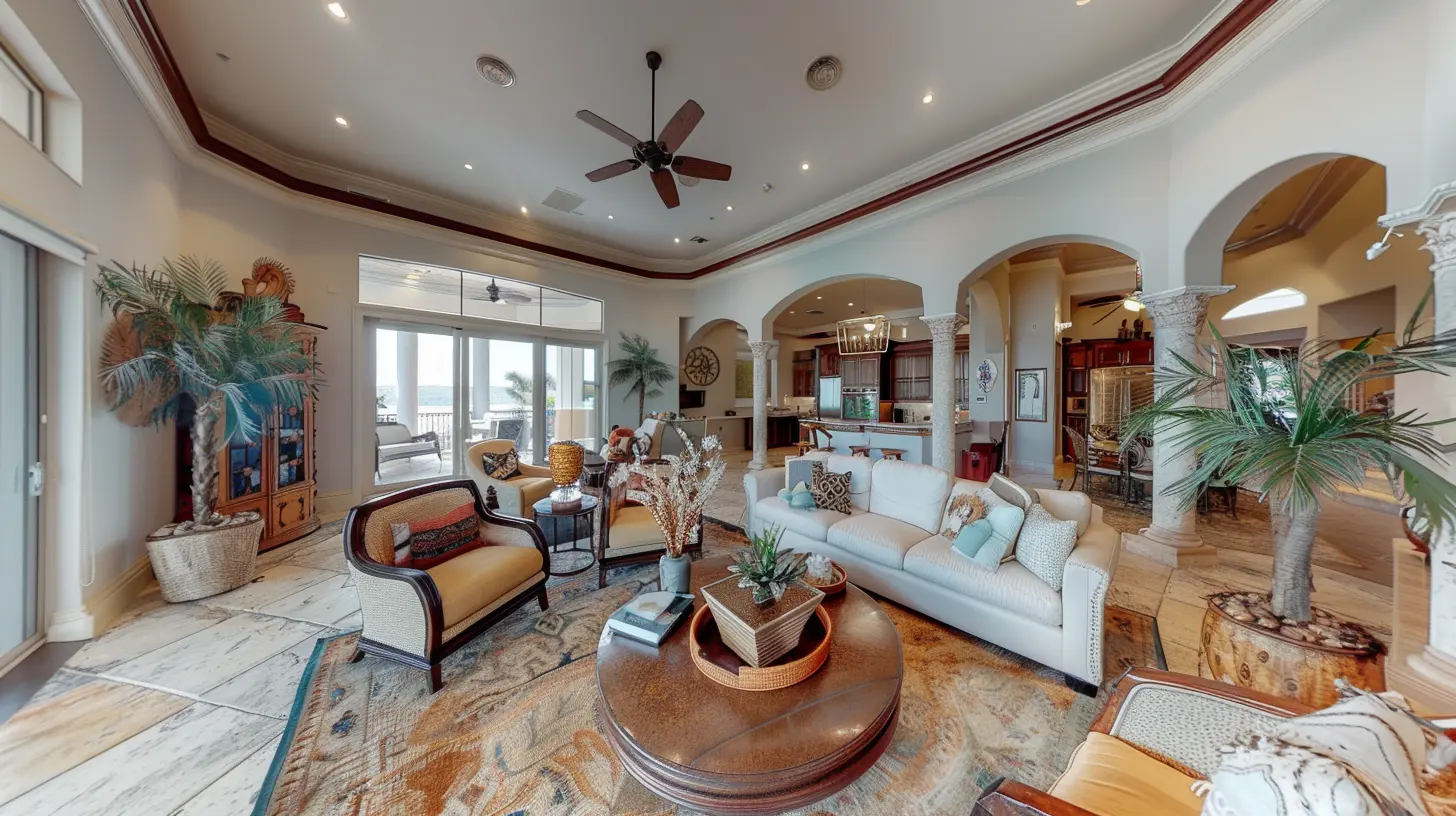
Why 360-Degree Photography is Changing Real Estate
We live in an era where visual appeal is everything. Whether scrolling through social media, shopping online, or browsing real estate listings, people are drawn to engaging and interactive content. 360-degree photography provides that immersive experience, making buyers feel as if they are actually standing inside a home.1. A More Engaging and Interactive Experience
Imagine you're searching for your dream home. Instead of clicking through a slideshow of static images, you can take a virtual walk-through of the property. You can look around each room, get a sense of the layout, and even inspect the details closely—all from the comfort of your couch.This type of interaction keeps potential buyers engaged much longer than traditional photos, increasing the chances of sparking an emotional connection with the property.
2. Buyers Can Tour Properties Anytime, Anywhere
One of the biggest challenges in real estate? Scheduling property tours. Buyers have busy lives, and finding time to visit multiple homes can be overwhelming. With 360-degree photography, buyers can take a virtual tour at any time, from anywhere.This is especially beneficial for out-of-town buyers or those relocating from another state. Instead of flying in for a weekend of rushed property visits, they can narrow down their choices online and make an informed decision before making a trip.
3. Showcasing Every Angle of a Home
Traditional photos only capture specific angles, often leaving potential buyers wondering what’s just around the corner. Has the photographer cleverly cropped out an outdated kitchen or a small living room?With 360-degree images, there’s no hiding anything. Buyers can see every corner of the home, helping to build trust and transparency between buyers and sellers.
4. Enhancing Real Estate Marketing Strategies
In such a competitive market, real estate agents need cutting-edge marketing tools to stand out. Listings with 360-degree photography naturally attract more views and engagement compared to standard image-based listings.A study by Realtor.com found that listings with virtual tours receive 87% more views than those without. This means that properties featuring 360-degree photography are far more likely to generate interest, leading to faster sales and potentially higher offers.

The Technology Behind 360-Degree Photography
You might be wondering—how does 360-degree photography actually work? Well, it’s simpler than you think.1. The Equipment
To capture stunning 360-degree images, photographers use specialized cameras equipped with dual wide-angle lenses. These lenses capture images in all directions, which are then stitched together using software to create a seamless panoramic view.Popular cameras for 360-degree real estate photography include:
- Ricoh Theta Z1
- Matterport Pro2
- Insta360 One X2
These cameras are lightweight, easy to use, and produce high-resolution images, making them perfect for real estate listings.
2. Virtual Tour Software
Once the images are captured, real estate professionals use virtual tour software to enhance and present the images in an interactive format. Some of the most commonly used platforms include:- Matterport
- Kuula
- Zillow 3D Home
These platforms allow agents to create smooth, navigable tours, often including hotspots, descriptions, and even voiceovers to guide buyers through the home.
3. Integration with Real Estate Websites
The final step is integrating the virtual tour into real estate listings. Most property portals, including Zillow, Realtor.com, and Redfin, now support 360-degree photography, making it easy for agents to enhance their listings.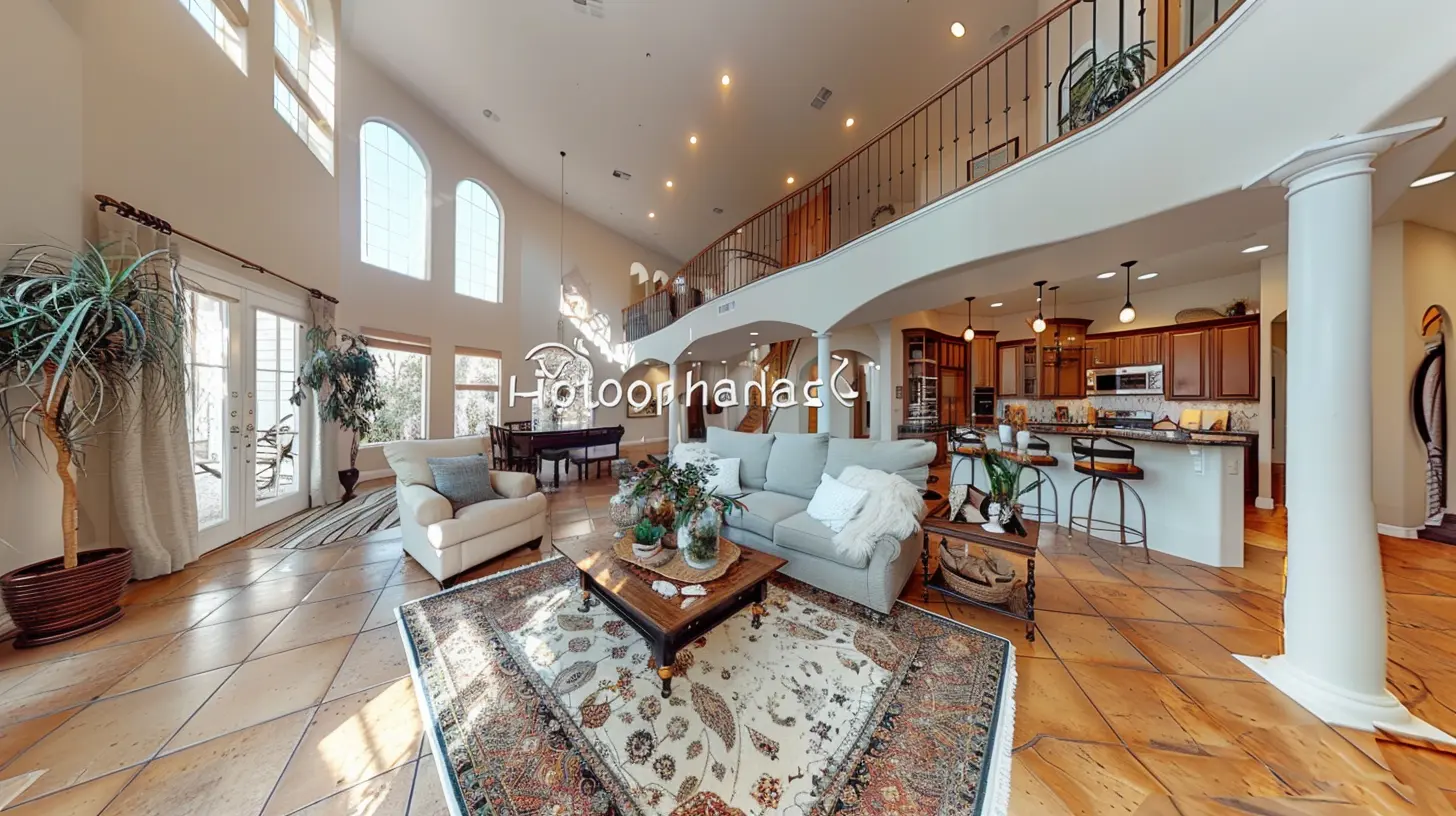
The Benefits for Sellers, Buyers, and Agents
For Sellers: Faster Sales & Higher Offers
Homes with 360-degree photography attract more attention, increasing the chances of receiving multiple offers. A well-presented virtual tour can make a property stand out in a crowded market, leading to faster sales—and often at a better price.For Buyers: A More Informed Decision
Buying a home is a significant investment, and 360-degree photography allows buyers to make more informed choices. They can explore properties in depth before scheduling in-person visits, ensuring they only tour homes that truly interest them.For Real Estate Agents: A Competitive Edge
Agents who utilize 360-degree photography not only offer better listings but also build stronger client trust. By providing immersive experiences, they increase engagement, generate more leads, and position themselves as tech-savvy professionals in the industry.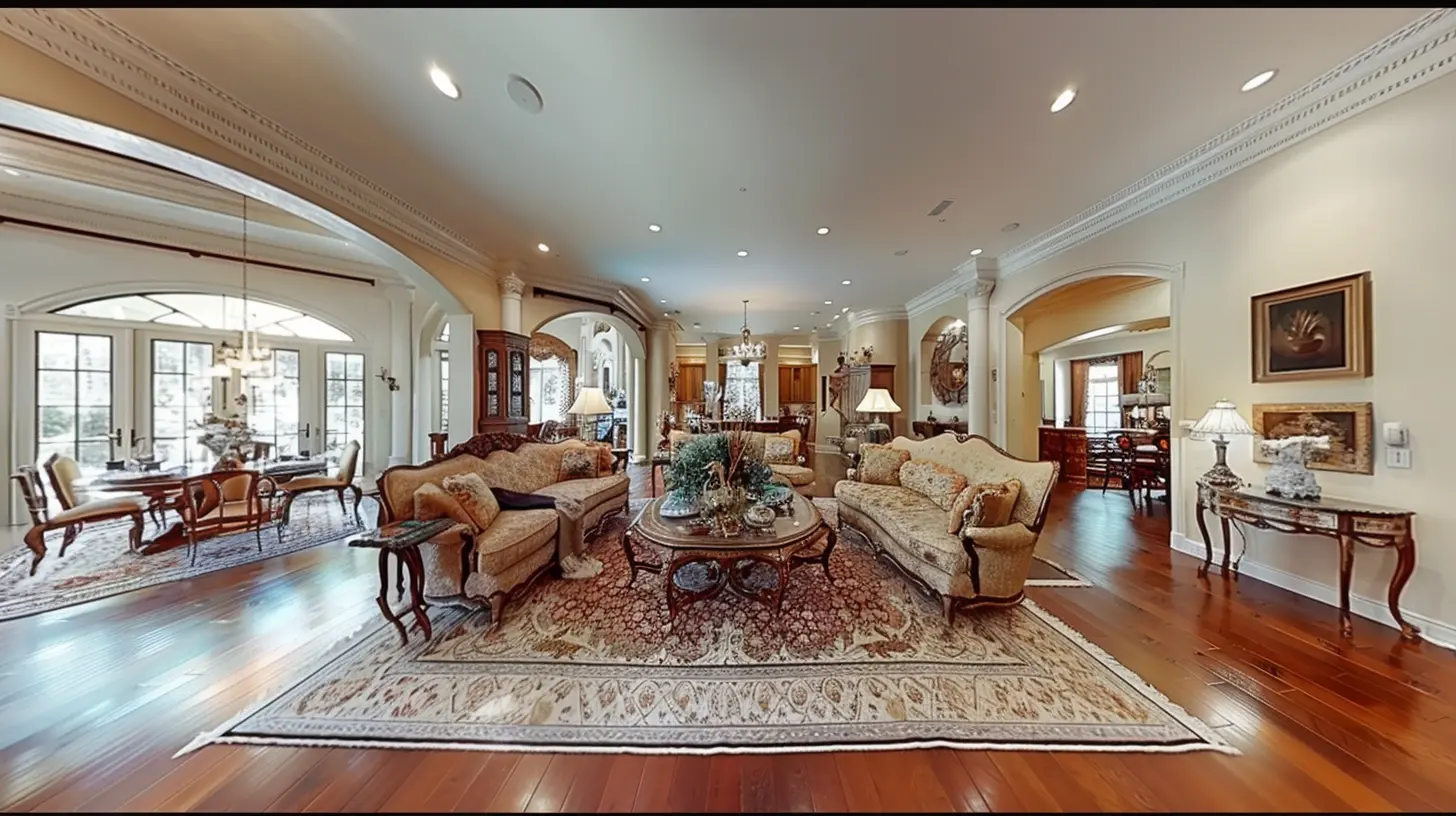
Common Concerns About 360-Degree Photography
1. Is It Expensive?
While investing in a 360-degree camera and virtual tour software requires an initial cost, the return on investment is significant. Many real estate agents find that just one or two property sales completely offset the cost of the equipment.2. Is It Difficult to Use?
Not at all! Most 360-degree cameras are designed to be user-friendly, with automatic stitching functions that create seamless tours in minutes. There are also plenty of software options that make editing and uploading a breeze.3. Will It Replace Traditional Photography?
Not necessarily. While 360-degree photography offers a more immersive experience, traditional high-quality photos will likely continue to be a staple in real estate marketing. The two approaches work best when used together, creating a complete and engaging listing.The Future of Real Estate Marketing with 360-Degree Photography
Looking ahead, 360-degree photography is just the beginning. With advancements in virtual reality (VR) and augmented reality (AR), the future of real estate marketing is set to become even more interactive.Imagine putting on a VR headset and "walking" through multiple homes from your own living room—you could open doors, peek inside closets, and even change the color of the walls with a click. Sounds futuristic? Well, it’s already happening!
Final Thoughts
The real estate industry is undergoing a major digital transformation, and adopting 360-degree photography is no longer optional—it’s essential. Buyers now expect visually engaging, interactive experiences, and real estate professionals who embrace this technology will stay ahead of the competition.So, whether you’re a homeowner looking to sell, a buyer on the hunt for your dream home, or an agent striving to provide the best service, 360-degree photography is a game-changer you simply can’t ignore.
all images in this post were generated using AI tools
Category:
Real Estate PhotographyAuthor:

Melanie Kirkland
Discussion
rate this article
2 comments
Diana Cox
Great insights! 360-degree photography really transforms real estate listings, allowing buyers to explore homes like never before. It’s like taking a virtual tour—so convenient and engaging!
February 2, 2026 at 11:42 AM
Melanie Kirkland
Thank you! I'm glad you found the insights valuable. 360-degree photography indeed adds a whole new dimension to real estate listings, enhancing the buyer experience.
Thaddeus Wood
Immersive visuals enhance engagement.
January 17, 2026 at 3:56 AM
Melanie Kirkland
Absolutely! Immersive visuals like 360-degree photography significantly boost engagement by providing potential buyers with a more interactive and realistic experience of properties.