The Role of Communication in Successful Property Management
27 March 2026
Effective property management isn't just about handling repairs and collecting rent; it's about fostering strong relationships through stellar communication. Whether you're a landlord, property manager, or tenant, clear and open dialogue is the backbone of a well-run property.
Misunderstandings lead to frustration, delays, and sometimes costly mistakes. But when communication flows smoothly, everything else — from tenant satisfaction to property maintenance — falls into place. So, why is good communication so crucial in property management? Let's dive in.
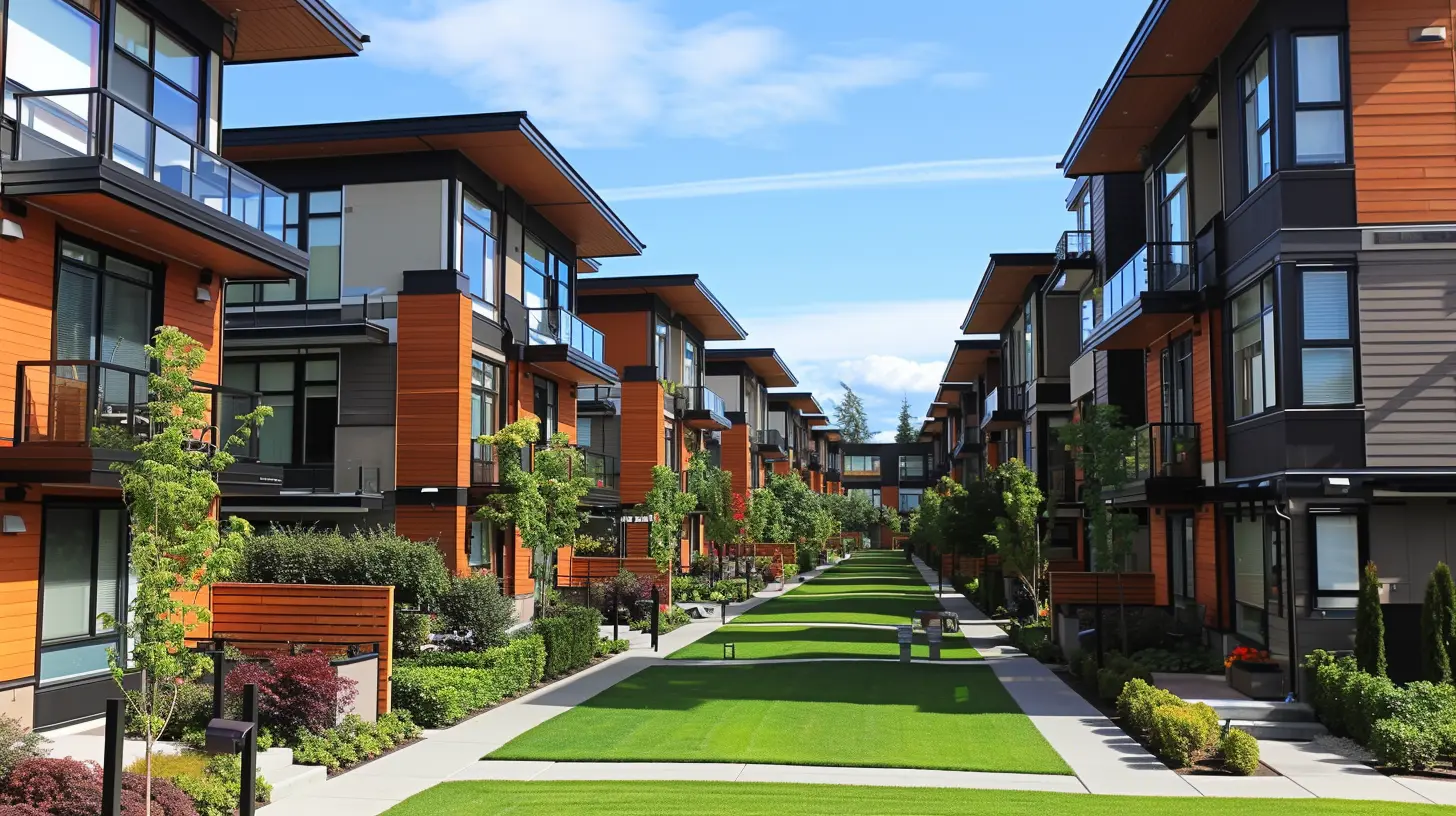
Why Communication Matters in Property Management
Managing rental properties is like steering a ship. Without clear instructions, the crew (tenants, contractors, and staff) won’t know what to do, and chaos can ensue. Communication keeps things organized, ensures expectations are met, and builds trust between all parties involved.A property manager wears many hats — mediator, problem solver, and customer service representative. Without strong communication skills, these roles become much harder to fulfill.
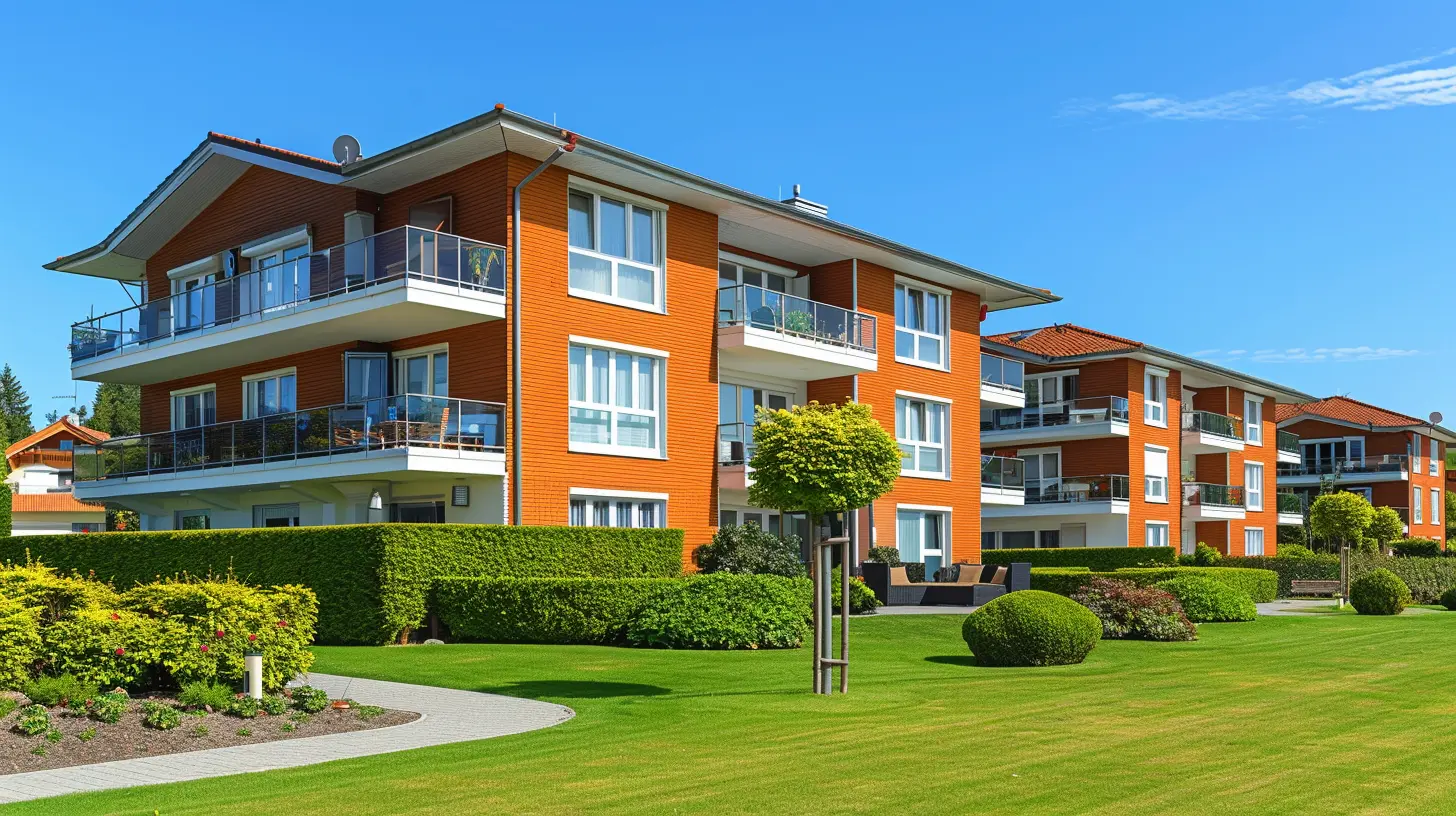
1. Building Strong Landlord-Tenant Relationships
A tenant’s experience in a rental home is directly tied to how well the property manager communicates. Poor communication breeds resentment, while clear and timely interactions foster a positive living environment.Setting Expectations from Day One
Ever heard the saying, "First impressions last a lifetime"? The same applies in property management. When a tenant moves in, a clearly outlined lease agreement, house rules, and maintenance protocols ensure everyone is on the same page.For example, if tenants know upfront how to request repairs, when rent is due, and how to contact management, it eliminates unnecessary confusion.
Responding Promptly to Tenant Requests
Nobody likes being ignored — especially when their home is involved. Tenants appreciate prompt responses to inquiries and maintenance issues. A delay in addressing concerns can lead to frustration and even bad reviews, which can hurt your property's reputation.A simple text or email acknowledging a request can make a world of difference. Even if you can’t fix the issue immediately, letting tenants know you’re on it reassures them that their concerns matter.

2. Effective Communication with Property Owners
If you're managing a property on behalf of an owner, keeping them in the loop is just as important. Property owners want to know their investment is being well taken care of, and it’s your job to provide that assurance.Providing Regular Updates
A great property manager doesn't just reach out when there’s a problem. Regular updates, such as occupancy rates, maintenance reports, and financial summaries, help property owners stay informed without feeling overwhelmed.Using emails, newsletters, or even property management software to share updates can streamline communication and build trust.
Being Transparent About Issues
No property is problem-free. Whether it's an unexpected repair cost or a tenant dispute, being upfront with the owner fosters trust. Avoid sugarcoating issues; instead, provide solutions alongside the problems.For example, instead of saying, "There's a plumbing issue," you could say, "We've identified a plumbing problem in Unit 102. A plumber has been scheduled for tomorrow, and the estimated repair cost is $500." This approach shows initiative and transparency.

3. Coordinating with Contractors and Vendors
Property management often involves working with third-party vendors such as electricians, plumbers, landscapers, and cleaners. Effective communication ensures that necessary work gets done on time and within budget.Clear Work Orders and Instructions
Imagine hiring a contractor for a repair, but they arrive without knowing what needs fixing. Miscommunications like this delay work and can be costly. Providing clear instructions with specific details — including photos, addresses, and deadlines — avoids unnecessary back-and-forth.Following Up on Maintenance Requests
Just because you’ve scheduled a repair doesn’t mean the job is done. Following up ensures that work is completed correctly and on time. A quick message to confirm the status of a project helps prevent future issues from slipping through the cracks.4. Conflict Resolution: Addressing Issues Before They Escalate
No matter how well you manage a property, conflicts will arise. Whether it's a tenant dispute, owner concerns, or vendor disagreements, addressing problems quickly and effectively prevents them from spiraling out of control.Listening to Understand, Not Just to Respond
One of the most powerful tools in communication is active listening. When tenants or owners voice concerns, acknowledging their frustrations and showing empathy can make a big difference. Sometimes, people just want to feel heard.A simple response like, "I understand your frustration, and I appreciate you bringing this to my attention. Let’s find a solution together," can diffuse tension and create a more cooperative discussion.
Finding Win-Win Solutions
Property management isn’t about taking sides; it’s about finding fair solutions that benefit everyone involved. Whether it’s negotiating a lease extension with a tenant or mediating a disagreement between neighbors, clear and respectful communication paves the way for resolution.5. Leveraging Technology for Better Communication
With the rise of digital tools, property managers have more ways than ever to stay connected. Emails, text messages, property management apps, and even social media can enhance communication and improve efficiency.Using Property Management Software
Platforms like Buildium, AppFolio, and TenantCloud make it easier to track maintenance requests, send automated rent reminders, and keep organized records. These tools reduce human error and help ensure nothing falls through the cracks.Offering Multiple Communication Channels
Not all tenants prefer email. Some may favor phone calls, while others prefer text messages. Providing multiple options — such as an online tenant portal, email support, and emergency hotlines — ensures everyone can reach out in a way they’re comfortable with.6. The Power of Clear and Concise Written Communication
Whether it’s a lease agreement, an email to a contractor, or a maintenance request form, written communication must be clear, concise, and free of ambiguity.Keeping Things Simple
The best messages are straightforward. Avoid overly complex language, technical jargon, or long-winded explanations. A well-written message should be easy to understand at a glance.Instead of saying, “Your prompt remittance of the aforementioned rental sum will be greatly appreciated,” simply say, “Please make sure your rent is paid by the 5th to avoid late fees.”
Documenting Everything
Verbal agreements can be forgotten or misinterpreted. Always follow up important conversations with a written summary via email or text. This creates a paper trail in case disputes arise later.For example, after a phone call about maintenance, send a quick email:
"Just to confirm, the plumber will be arriving tomorrow at 10 AM to fix the sink. Let me know if anything changes."
Final Thoughts
At the heart of every successful property management operation is strong communication. It builds trust, reduces misunderstandings, and keeps everything running smoothly. Whether you're dealing with tenants, property owners, or contractors, taking the time to communicate effectively can make all the difference.Remember, property management is more than just managing buildings — it’s about managing relationships. And great relationships start with great communication.
all images in this post were generated using AI tools
Category:
Property ManagementAuthor:

Melanie Kirkland
Discussion
rate this article
2 comments
Macey McWhorter
Effective communication is crucial in property management, fostering transparency and trust between landlords and tenants. It enhances conflict resolution, streamlines maintenance requests, and ultimately contributes to tenant satisfaction and retention.
April 10, 2026 at 12:50 PM
Melanie Kirkland
I completely agree. Effective communication truly builds stronger relationships and ensures a smoother management process for everyone involved.
Nathan McCarthy
Effective communication is key in property management. It fosters strong tenant relationships, streamlines operations, and ensures quick resolution of issues, ultimately leading to greater tenant satisfaction.
March 28, 2026 at 5:48 AM
Melanie Kirkland
Absolutely! Effective communication is essential for building trust, enhancing tenant relationships, and ensuring smooth operations in property management. Thank you for highlighting its importance!