The Role of Design and Architecture in Successful Land Development
27 June 2026
When it comes to land development, design and architecture are the backbone of success. They’re not just about making things look pretty—they shape the way communities function, how people interact with their environment, and even how much a property is worth. A poorly designed development can feel like a ghost town, while a well-thought-out one can become the heartbeat of a thriving neighborhood.
So, what makes the right design and architectural choices so critical? Let’s dive into the intricate role these elements play in shaping livable, profitable, and sustainable developments.
Why Design and Architecture Matter in Land Development
Think about your favorite neighborhoods or commercial spaces. What makes them so appealing? Chances are, it’s not just the buildings themselves but how they are planned and integrated into the environment. Design and architecture influence everything from aesthetics to functionality, sustainability, and even economic value.A well-designed development:
- Improves quality of life
- Enhances property values
- Encourages social interaction
- Maximizes land use efficiently
- Supports sustainability and environmental responsibility
First Impressions Matter: The Power of Aesthetics
Let’s be honest—people judge a place by its looks. A beautifully designed development attracts buyers, investors, and visitors alike. If a neighborhood is visually appealing, people are more likely to live, work, and spend time there.Key aesthetic elements include:
- Architectural harmony: Buildings that complement each other create a seamless look.
- Landscaping: Green spaces, parks, and tree-lined streets make a place feel welcoming.
- Public spaces: Thoughtfully designed plazas and pedestrian areas encourage social activity.
Neglecting aesthetics? Big mistake. A monotonous, uninspired development can drive people away faster than a bad Yelp review.
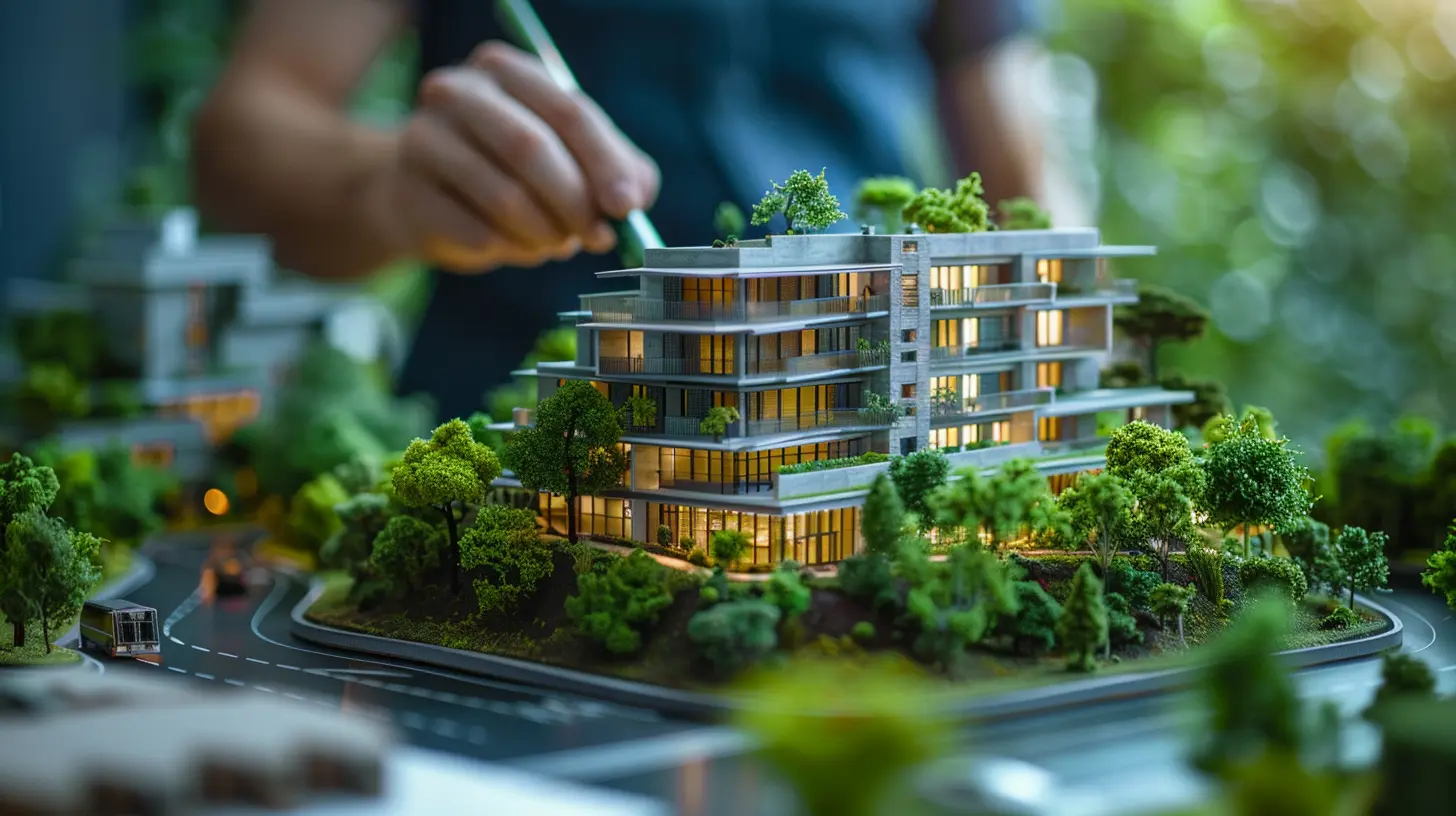
Functionality: It’s More Than Just Looking Good
A development can be gorgeous, but if it’s not functional, it’s a failure. Imagine wide, empty sidewalks no one uses or roads that lead nowhere. Functionality is about how people interact with their surroundings in a way that makes sense.Smart Space Utilization
Every square foot matters. A well-planned development makes the most of the available land, balancing residential, commercial, and recreational spaces.- Mixed-use spaces: Combining residential units with commercial areas allows people to work, shop, and live in one place.
- Walkability: Sidewalks, bike lanes, and pedestrian-friendly streets promote healthier lifestyles.
- Traffic flow: Efficient road design reduces congestion and improves accessibility.
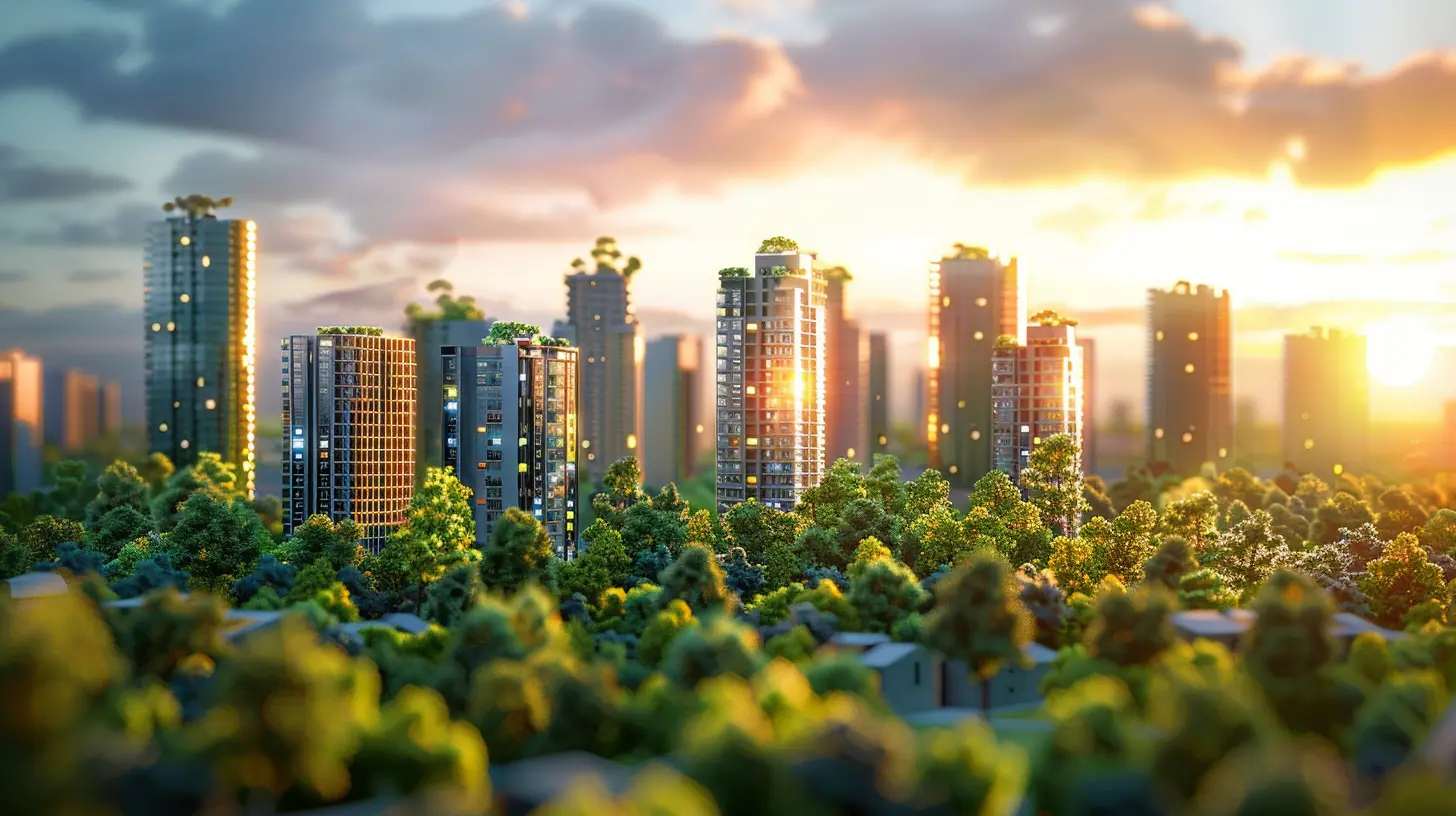
Sustainability: Future-Proofing the Development
Green buildings aren’t just a trend—they’re a necessity. Climate change and environmental concerns have made sustainability a top priority in land development. Modern architecture incorporates eco-friendly solutions that benefit both the environment and residents.Elements of Sustainable Design
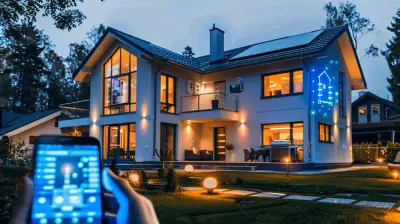
- Energy efficiency: Solar panels, energy-efficient lighting, and smart home technologies reduce utility costs.- Water conservation: Rainwater harvesting, efficient irrigation, and green roofs help manage resources.
- Eco-friendly materials: Recycled and locally sourced materials lower the carbon footprint of construction.
Forward-thinking developers know sustainability isn’t an extra—it’s a must.
The Role of Architecture in Creating Identity
Ever walked into a city and immediately felt its unique vibe? That’s the power of architecture. The right architectural design gives a development its identity and sets it apart from generic, cookie-cutter projects.Cultural Influence in Design
Great architecture often reflects the culture and history of a place. Whether it’s Spanish-influenced homes in California or modern minimalist buildings in urban hubs, architecture tells a story.Developers who blend local history and culture into their designs create spaces that resonate with the community.
The Social Impact of Thoughtful Design
A well-designed space fosters human connection. From apartment complexes to business districts, good design encourages people to engage with their surroundings and each other.Placemaking: Creating a Sense of Belonging
Placemaking is all about designing spaces where people want to be. Parks, gathering areas, and shared amenities turn a development into a community.- Public squares: Encourage markets, events, and social connections.
- Playgrounds and parks: Provide spaces for families and children.
- Cafés and communal spaces: Promote interaction among residents.
By prioritizing social engagement, developers can create places that don’t just house people but nurture vibrant, connected communities.
Technology and Innovation in Modern Land Development
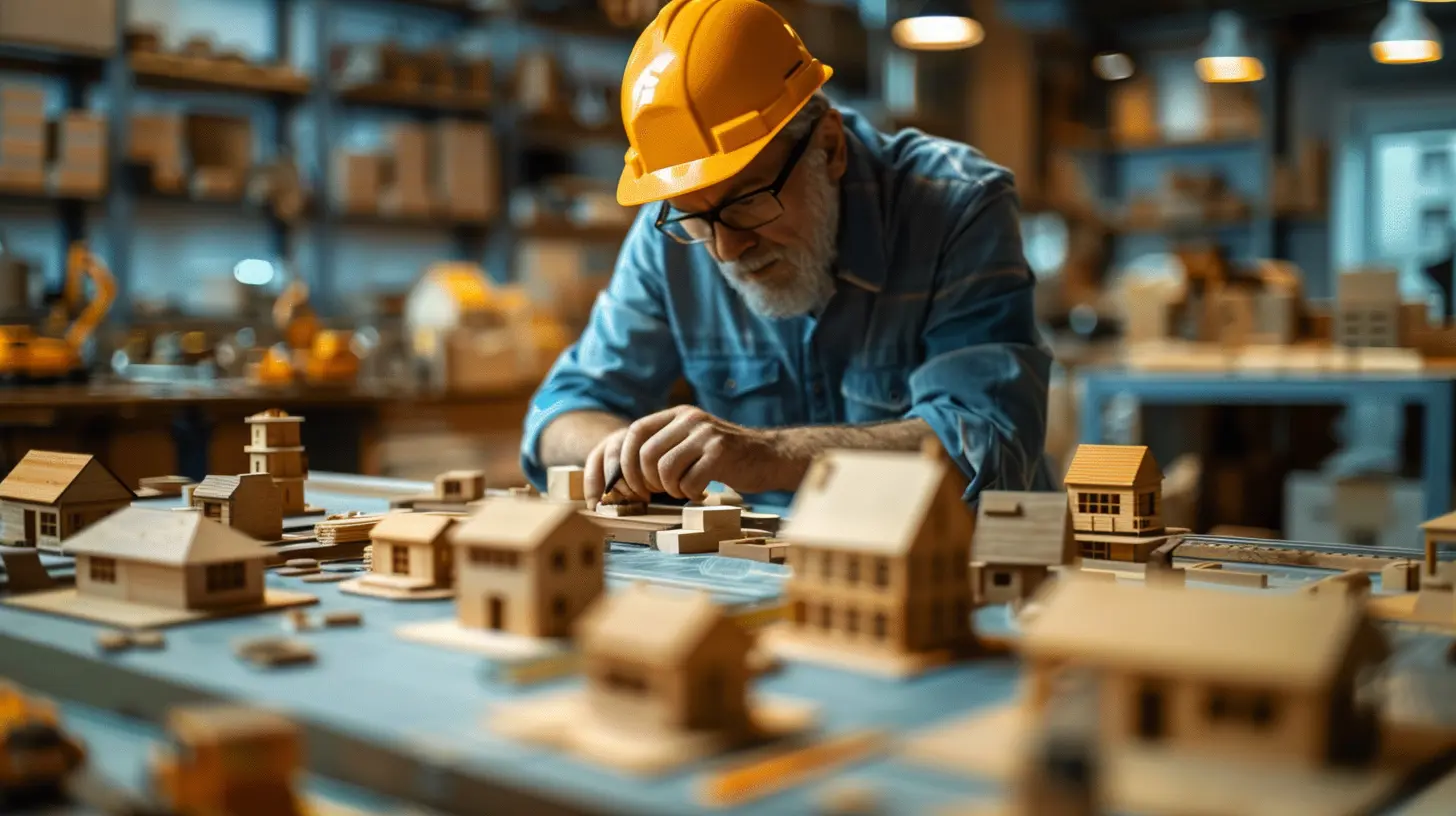
Architecture and design are evolving rapidly thanks to technology. Smart cities, AI-driven planning, and digital modeling are reshaping the way developments are designed and built.How Tech is Changing the Game
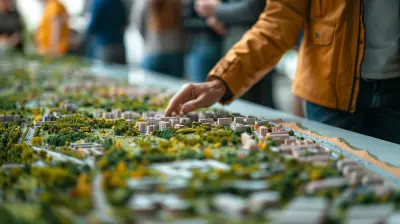
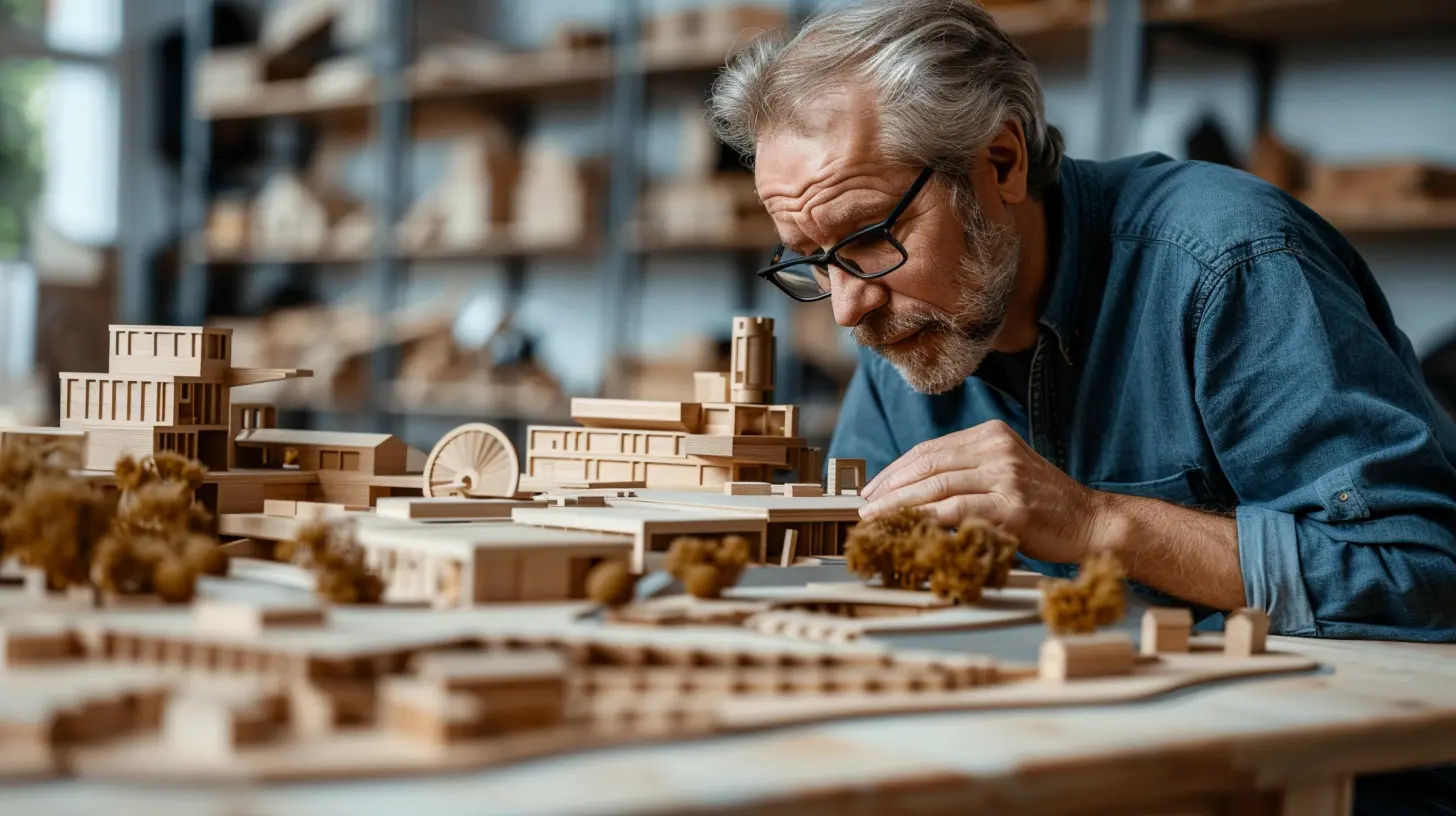
- 3D modeling and virtual reality: Helps visualize projects before they’re built.- Smart city planning: Uses data to optimize traffic flow, energy consumption, and urban planning.
- Automation in construction: Speeds up development while reducing waste and costs.
Forward-thinking developers embrace technology to create more efficient and resilient spaces.
Balancing Profitability with Aesthetic and Functional Design
At the end of the day, land development is a business. But that doesn’t mean developers should sacrifice good design for a quick profit. Developments that prioritize quality not only perform better in the market but also retain long-term value.Why Cheap Shortcuts Cost More in the Long Run
Cutting corners on design and architecture might save money upfront, but it can negatively impact the development’s success. Poor design can lead to:- Higher maintenance costs
- Decreased property values
- Reduced buyer and tenant interest
- Increased risk of regulatory issues
Investing in quality design from the start ensures the development remains profitable and desirable for decades.
Conclusion: Designing for Success
Design and architecture are the unsung heroes of successful land development. They shape not only how a place looks, but how it functions, how people experience it, and how much it’s worth. From creating visually appealing spaces to ensuring smart functionality and sustainability, good design doesn’t just add value—it defines it.For developers, prioritizing thoughtful, strategic design isn’t just an option; it’s the secret sauce to long-term success. And in an era where great spaces attract people like a magnet, there’s no better investment than creating developments that feel as good as they look.
all images in this post were generated using AI tools
Category:
Land DevelopmentAuthor:

Melanie Kirkland
Discussion
rate this article
1 comments
Helen Fletcher
Design shapes thriving communities.
July 25, 2026 at 11:02 AM
Melanie Kirkland
Absolutely. Thoughtful design can really enhance community interactions and foster connections.