Transit-Oriented Developments on the Rise
18 November 2026
The landscape of urban living is changing rapidly, largely influenced by the increasing demand for sustainable and efficient transportation options. Transit-oriented developments (TODs) have emerged as a pivotal solution to these evolving urban challenges. By integrating residential, commercial, and public transportation facilities, TODs are reshaping cities and enhancing the quality of life for residents. This article delves deep into the nuances of TODs, their benefits, challenges, and best practices for successful implementation.
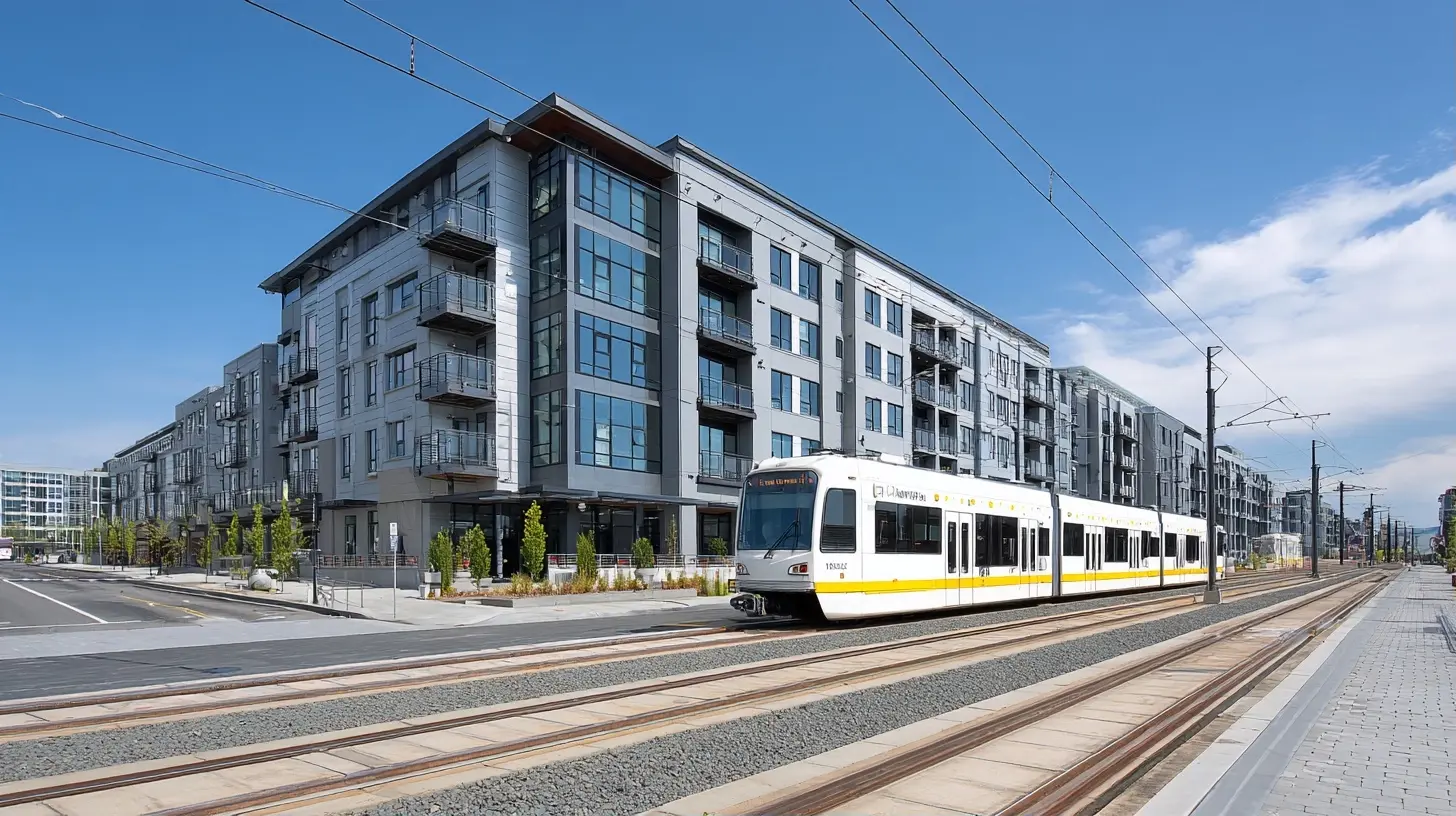
What is Transit-Oriented Development?
At its core, transit-oriented development is a planning strategy that aims to maximize access to public transport. Typically, these developments are situated within a half-mile radius of a transit station, such as a subway, bus, or light rail stop. The goal of TOD is to create walkable communities where residents can access their daily needs-work, shopping, and recreation-without relying heavily on private cars.Key Characteristics of TOD
- Mixed-Use Spaces: Buildings in TODs commonly include a blend of residential and commercial properties, fostering a vibrant community atmosphere.- Walkability: TODs prioritize pedestrian-friendly design, ensuring that amenities are easily accessible on foot.
- Proximity to Public Transport: The essence of TOD is its location near transit hubs, which encourages the use of public transport over personal vehicles.
- Sustainable Design: Many TODs incorporate green building practices and infrastructure that reduce environmental impact.
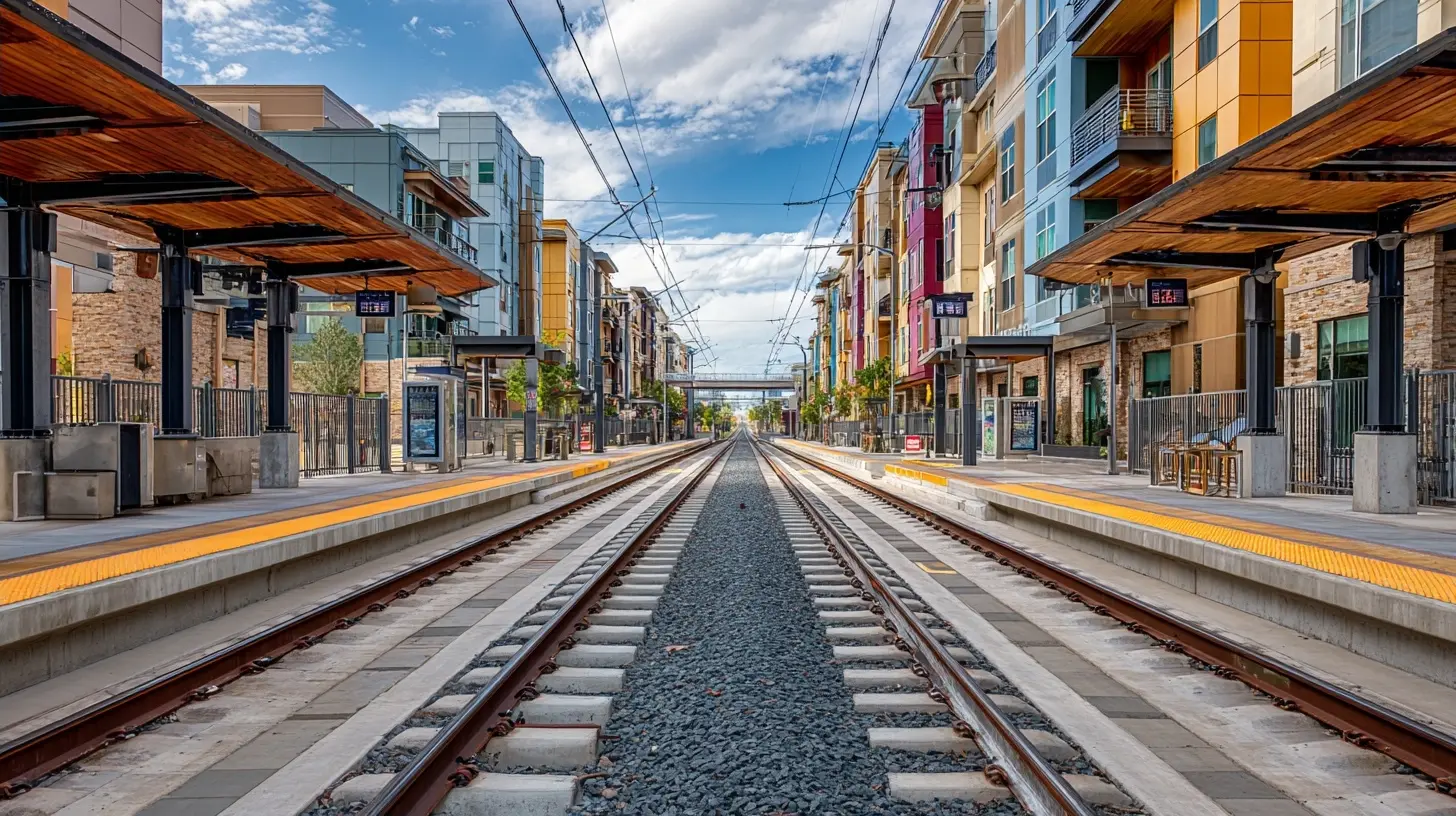
The Rise of Transit-Oriented Developments
The trend toward TOD has gained momentum for several reasons. Urban populations are on the rise, and with them, the challenges of traffic congestion, pollution, and suburban sprawl. Here are a few factors driving the increase in TODs:Urbanization
As more people flock to cities seeking job opportunities and lifestyle enhancements, there is a pressing need for housing solutions that are both affordable and accessible. TODs cater to this need by providing compact living spaces close to employment centers.Sustainability Goals
Cities worldwide are increasingly focused on sustainability initiatives. TODs help reduce carbon footprints by promoting public transit use and minimizing reliance on vehicles. This aligns with broader environmental goals aimed at combating climate change.Economic Viability
Developers are recognizing that TODs often lead to higher property values and increased retail sales. The convenience of living near public transport attracts residents willing to pay a premium for accessibility, thus benefiting both developers and local economies.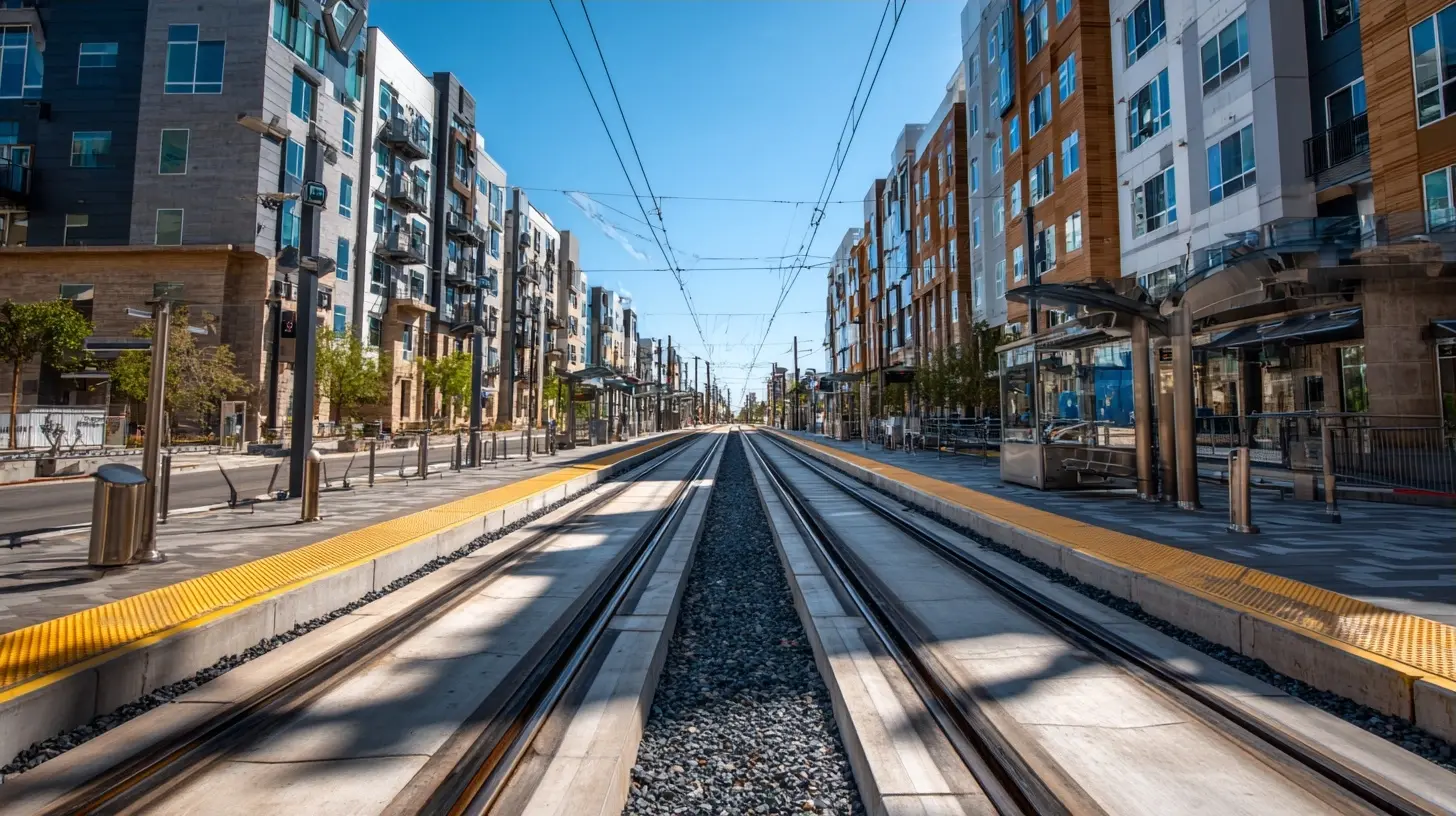
Advantages of Transit-Oriented Developments
The benefits of TODs extend beyond mere convenience. They offer a suite of advantages for individuals, communities, and the environment.Improved Quality of Life
Living in a TOD often means reduced commute times, enhanced access to amenities, and a lower reliance on cars. This can lead to healthier lifestyles, with more opportunities for walking and cycling.Economic Growth
TODs can stimulate local economies by attracting businesses and creating jobs. The increased foot traffic from residents and commuters can support local shops and services, fostering a vibrant community.Environmental Benefits
By promoting public transport usage, TODs can lead to reduced greenhouse gas emissions. This contributes to cleaner air and a more sustainable urban environment.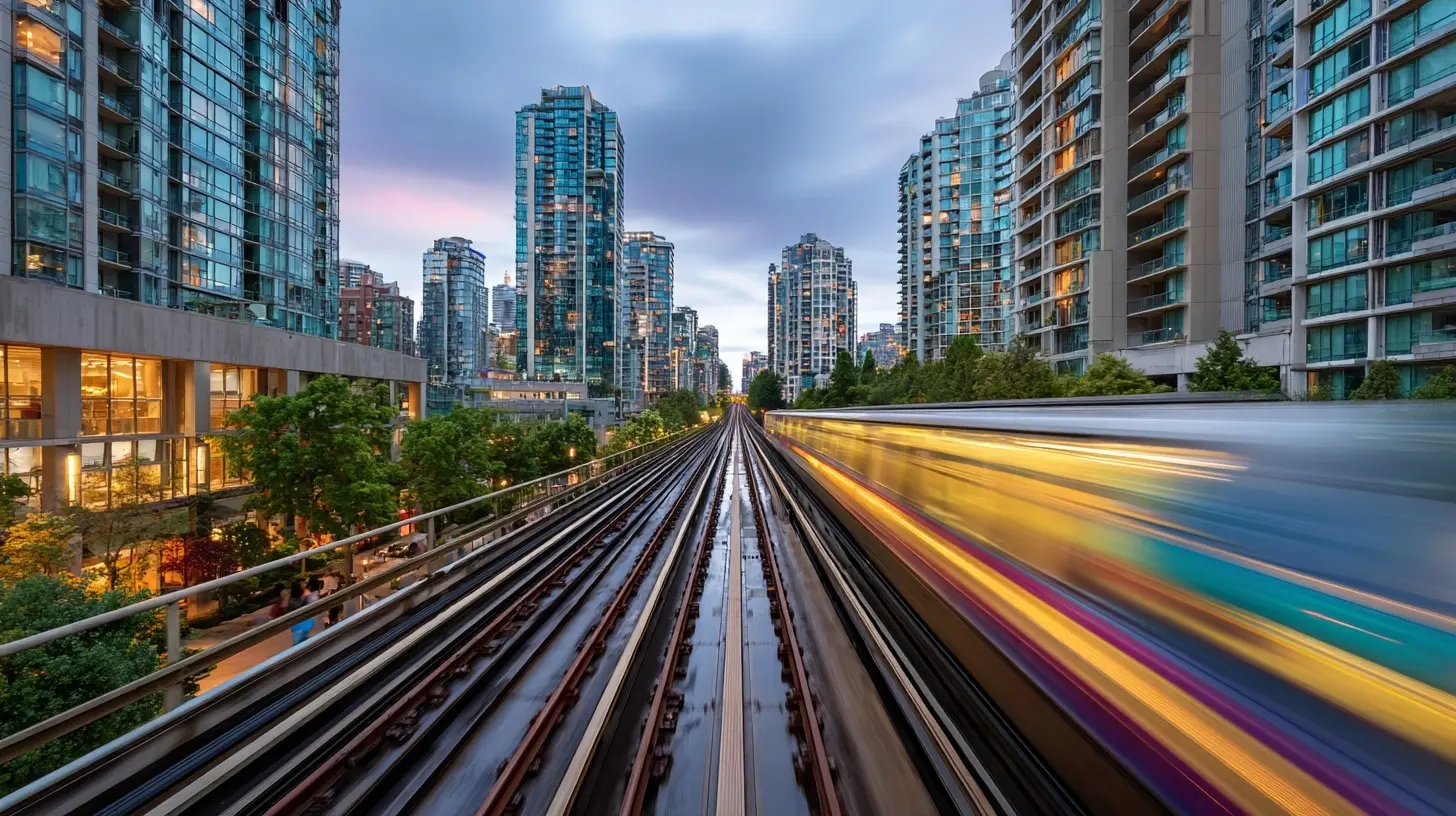
Challenges in Implementing TODs
Despite their numerous advantages, there are challenges associated with the development of TODs that must be addressed.Zoning and Regulatory Hurdles
One common issue is navigating zoning laws that may not support mixed-use developments. Planners must work closely with local governments to create or amend regulations that facilitate TOD projects.Community Opposition
Local residents may resist changes associated with TODs, fearing increased traffic, noise, or changes to neighborhood character. Engaging the community early in the planning process is essential to address concerns and build support.Financial Constraints
While TODs can be economically viable, the initial investment can be significant. Securing funding, whether through public-private partnerships or government grants, is crucial for successful implementation.Best Practices for Successful TODs
To maximize the chances of success in developing transit-oriented projects, several best practices should be considered.Engage Stakeholders Early
Involving community members, local businesses, and government agencies from the outset can pave the way for smoother project development. Early engagement helps to identify potential concerns and build a shared vision for the project.Prioritize Accessibility
Designing for walkability and accessibility is paramount. This includes not only safe sidewalks and bike lanes but also ensuring that transit stops are conveniently located and well-maintained.Incorporate Diverse Housing Options
A successful TOD should cater to a variety of income levels and demographics. This can include affordable housing, market-rate apartments, and options for seniors or families, creating a more inclusive community.Ensure Sustainable Practices
Utilizing sustainable building materials and energy-efficient designs can enhance the environmental benefits of TODs. Implementing green spaces and promoting biodiversity can further enrich these developments.
Real-World Examples of Successful TODs
Looking at successful TODs can provide valuable insights into best practices and innovative solutions.The Pearl District, Portland, Oregon
Once an industrial area, the Pearl District has transformed into a vibrant urban neighborhood thanks to its proximity to the Portland Streetcar. This TOD features a mix of residential units, shops, art galleries, and parks, all designed to encourage walking and community interaction.Tysons Corner, Virginia
Tysons Corner is a prime example of suburban TOD development. With the extension of the Washington Metro, this area has seen significant investment in high-density housing and commercial spaces. The development has created a walkable environment that reduces reliance on cars, showcasing the potential of TOD in suburban settings.Hudson Yards, New York City
Hudson Yards has redefined urban living in New York City. Built over a rail yard, this massive development integrates residential, commercial, and public spaces, all within walking distance of transit. The project emphasizes sustainability and community, illustrating how TOD can thrive in a dense urban environment.Common Misconceptions About TODs
As with any evolving concept, misconceptions about TODs can hinder understanding and acceptance.TODs Are Only for Urban Areas
While TODs are often associated with urban settings, they can also be effectively implemented in suburban areas. The key is selecting appropriate locations that support public transport access.TODs Are Always Expensive
While some TODs can be pricey, they can also include affordable housing options. Proper planning and community involvement can help ensure that developments meet diverse needs.TODs Eliminate Car Use
While TODs aim to reduce reliance on cars, they do not eliminate them entirely. A successful TOD provides options and encourages public transport use without restricting personal vehicle accessibility entirely.
Conclusion
Transit-oriented developments are more than just a trend; they represent a significant shift in how we think about urban planning and community development. As cities continue to grapple with issues like congestion, pollution, and affordability, TODs offer a compelling solution that benefits residents and the environment alike. By understanding the intricacies of TODs, stakeholders can work together to create thriving, sustainable communities that meet the needs of modern urban living.Final Thoughts
As the demand for efficient transportation and sustainable living continues to grow, the importance of transit-oriented developments will only increase. Cities that embrace TOD will likely find themselves more resilient, economically viable, and livable in the long run. By learning from successful examples and addressing common challenges, urban planners and developers can create spaces that not only meet today's needs but also pave the way for a brighter, more connected future.
all images in this post were generated using AI tools
Category:
Real Estate OpportunitiesAuthor:

Melanie Kirkland