Updating Your Home’s Exterior: The Best Siding Options for Lasting Appeal
28 June 2026
Ah, siding—the unsung hero of your home’s curb appeal. It’s what separates your house from looking like a haunted mansion or a Pinterest-worthy dream home. But let’s be real: choosing the right siding is about more than just aesthetics. You need something that’ll hold up against the elements, won’t require constant maintenance, and (let’s not forget) won’t cost you your firstborn.
Lucky for you, I’ve rounded up the best siding options that’ll keep your home looking fresh for years. So, whether you’re battling brutal winters, sizzling summers, or just the occasional nosy neighbor, we’ve got you covered—literally.
Why Updating Your Siding Matters
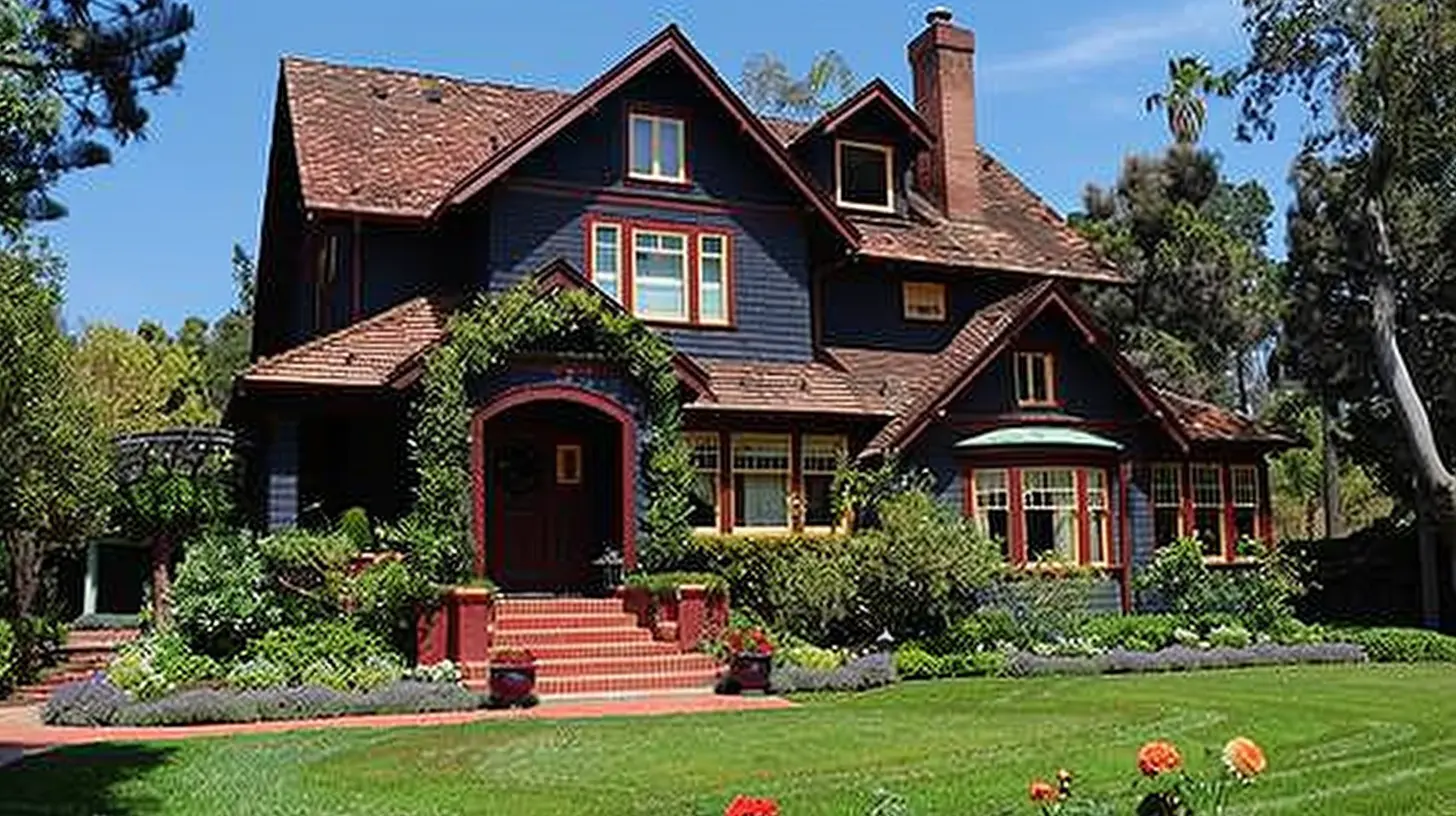
Think of your home’s siding like an outfit. Would you walk around in ragged, stained clothes from the ‘80s? (Okay, maybe if you're into vintage, but stay with me here.) Your exterior is the first thing people see—it’s the first impression your house makes.But it’s not just about looks. Good siding protects your home from weather, pests, and even energy loss. That’s right—crappy siding could be the reason why your energy bills are sky-high. So, if your current siding is peeling, cracked, or just plain sad, it might be time for an upgrade.
Now, let’s go through the best siding options that’ll keep your home looking sharp and standing strong. 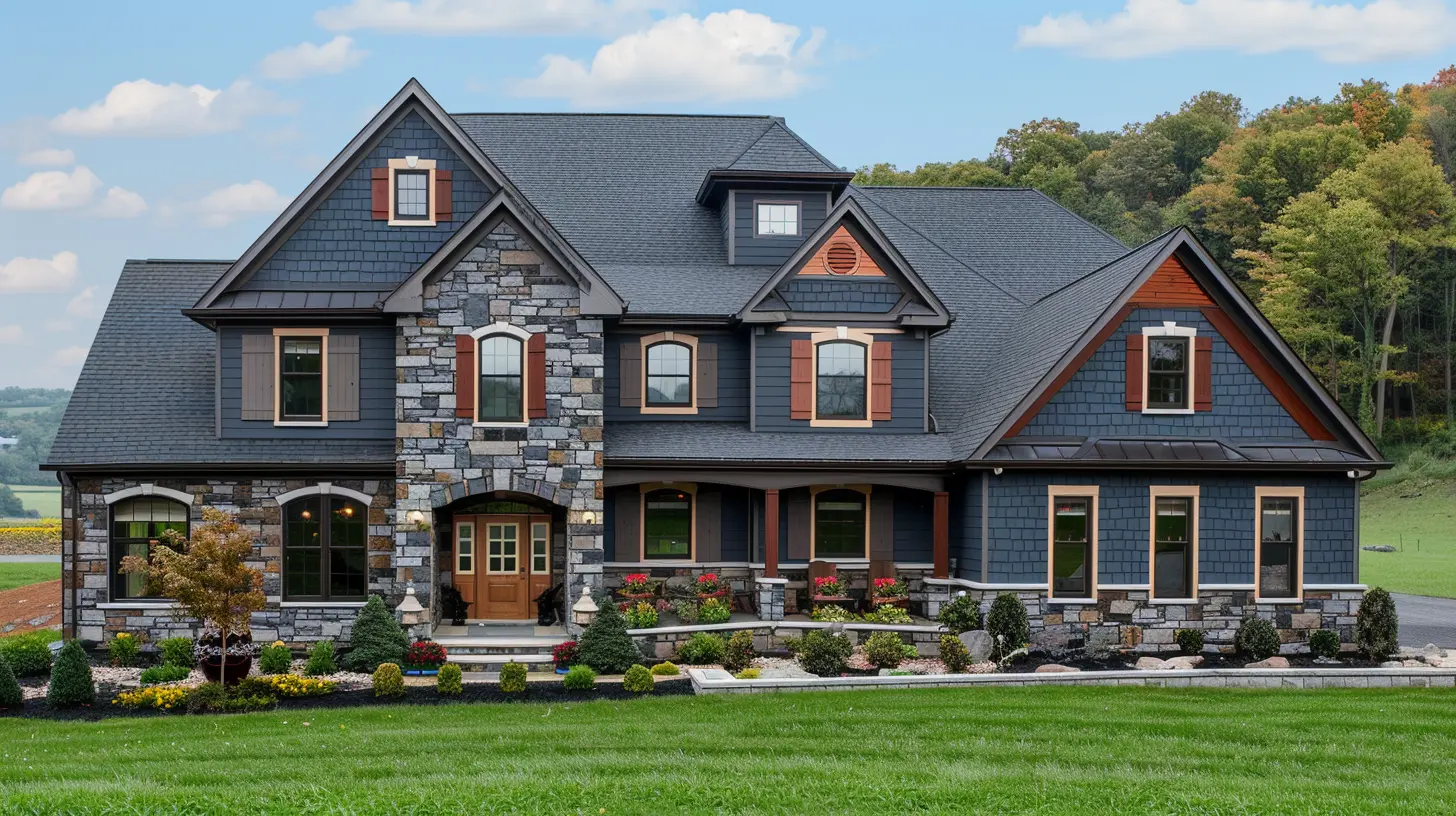
1. Vinyl Siding – The Affordable Favorite
Pros:
✅ Budget-friendly✅ Low maintenance
✅ Tons of color and style options
✅ Easy to install
Cons:
❌ Can crack in extreme cold❌ Might fade over time
If siding had a popularity contest, vinyl would be the prom queen. It’s the go-to choice for homeowners who want a low-maintenance, cost-effective option. You can get it in just about any color under the sun, and it doesn’t require endless scraping and repainting.
That said, vinyl isn’t invincible. If you live somewhere with harsh winters, be prepared for the occasional crack when temperatures drop. And if your house gets a ton of sun exposure, some colors may fade over time. But hey, for the price? It’s a solid deal. 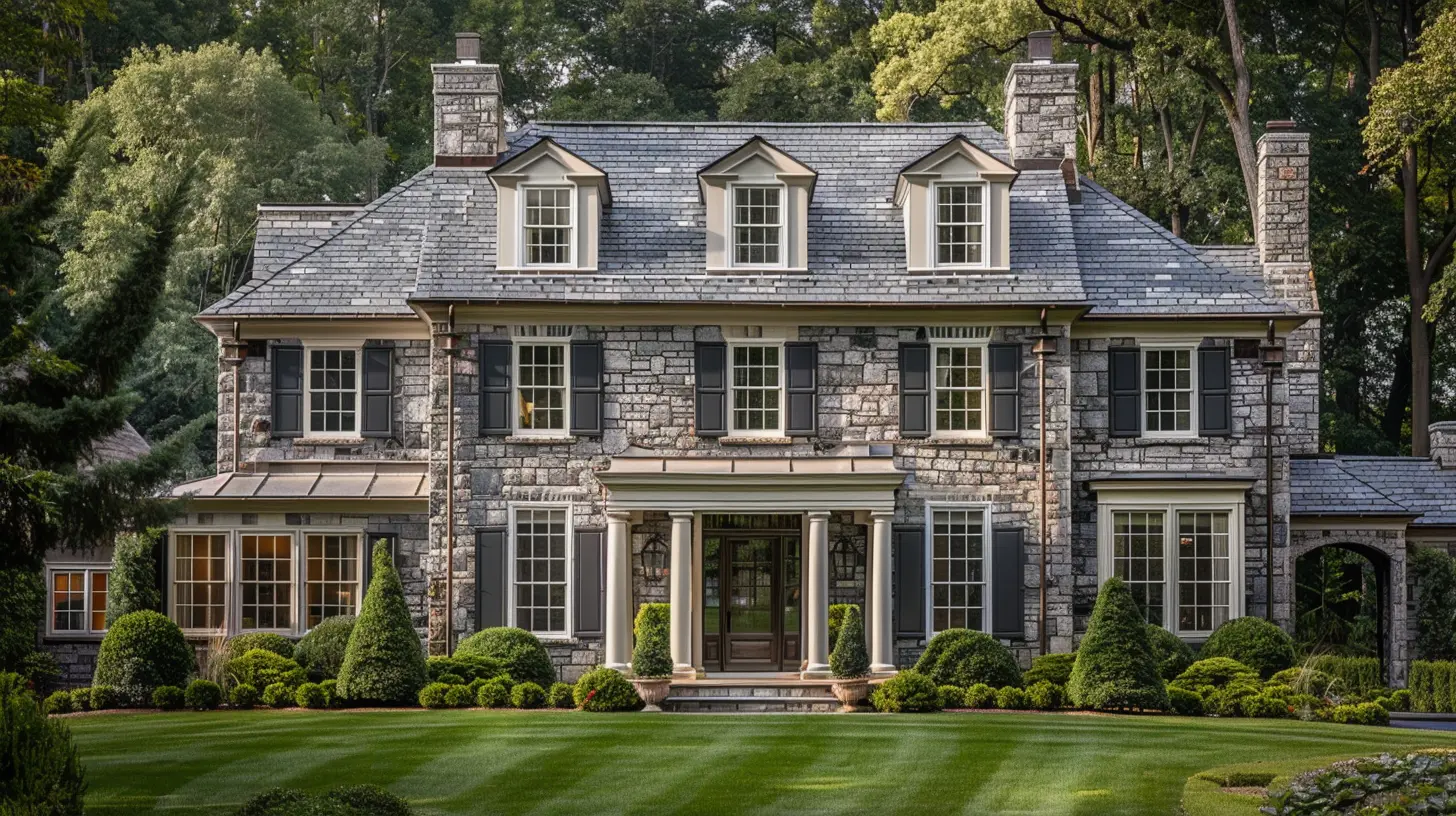
2. Fiber Cement Siding – The Tough Guy
Pros:
✅ Super durable✅ Fire, pest, and weather-resistant
✅ Mimics wood without the headaches
Cons:
❌ Pricier than vinyl❌ Heavy and harder to install
If vinyl is the prom queen, fiber cement is the valedictorian who also happens to bench-press 250. This stuff is tough. We’re talking about a siding that laughs in the face of fire, wind, pests, and pretty much anything Mother Nature throws at it.
Fiber cement siding (like the ever-popular James Hardie board) gives you the look of wood without worrying about termites or rot. The downside? It costs more than vinyl, and installing it is no easy feat—it’s heavy and requires a bit more effort. But once it’s up, you won’t have to worry about replacing it anytime soon. 
3. Wood Siding – The Classic Beauty
Pros:
✅ Stunning, natural look✅ Can be painted or stained to your liking
✅ Environmentally friendly
Cons:
❌ Requires regular maintenance❌ Prone to pests and rot
❌ Can be pricey
Ah, wood siding—the Audrey Hepburn of exteriors. It’s timeless, elegant, and gives your home a warm, inviting look. If you're all about that classic, natural aesthetic, wood is the way to go. Plus, you can paint or stain it however you like, making it highly customizable.
But (and it’s a big but), wood siding is needy. You’ll have to regularly treat it to prevent rot, warping, and pest infestations. And if you live somewhere damp? Be prepared to battle mold and mildew like it’s your full-time job. It’s gorgeous, but only if you’re willing to commit to the upkeep.
4. Brick Siding – The Forever Option
Pros:
✅ Insanely durable (lasts for 100+ years)✅ Doesn’t rot, fade, or get eaten by termites
✅ Fire-resistant
Cons:
❌ Expensive upfront❌ Can be difficult to install
If other sidings need maintenance, brick siding is like the grandparent who’s seen it all and still stands strong. It lasts forever—seriously, there are still brick buildings standing from centuries ago. Plus, it’s resistant to fire, pests, and just about anything nature can dish out.
The catch? It’s not cheap. Brick siding requires a hefty upfront investment, and installation isn’t a DIY project unless you moonlight as a mason. But once it’s up, you can forget about replacing it for, oh, the next century or so.
5. Stone Veneer – The Luxury Look Without the Weight
Pros:
✅ Gives the high-end look of stone✅ Lightweight and easier to install than real stone
✅ Super durable
Cons:
❌ Still pretty expensive❌ Requires expert installation
Love the look of stone but don’t want to sell a kidney to afford it? Stone veneer is your answer. It gives your home that high-end, rustic charm without the weight (literally and financially) of solid stone.
It’s durable, weather-resistant, and guaranteed to make your home look like it belongs in a magazine. The downside? It’s still not cheap, and unless you want to end up with a lopsided façade, you’ll need to hire a pro to install it. But if you’ve got the budget, it’s worth every penny.
6. Metal Siding – The Modern Maverick
Pros:
✅ Incredibly durable✅ Can give a sleek, modern look
✅ Fire and pest-resistant
Cons:
❌ Can dent easily❌ Might be too industrial-looking for some tastes
If you like sleek, contemporary designs, metal siding might be your perfect match. It’s durable, fire-resistant, and immune to rot and pests. Plus, it gives your home a sharp, modern edge that’ll have the neighborhood talking.
But metal does have its flaws. It can dent easier than other materials (hailstorms, beware), and the industrial vibe isn’t for everyone. If you’re going for a farmhouse or traditional look, metal might not be your best bet.
7. Stucco – The Southwestern Favorite
Pros:
✅ Great insulation✅ Unique textured appearance
✅ Fire-resistant
Cons:
❌ Not ideal for colder, wet climates❌ Can crack if not installed properly
If you live in a dry, warm climate, stucco might be calling your name. It’s energy-efficient, fire-resistant, and comes in a variety of colors and textures. Plus, it gives homes that charming Mediterranean or Southwestern feel.
Stucco’s downfall? It doesn’t perform well in wet or cold climates. Excessive moisture can cause it to crack—and nobody wants a home that looks like it’s been through an earthquake (unless you’re into that distressed aesthetic).
So, Which Siding Should You Choose?
Well, that depends on what you’re looking for. Want something affordable and low-maintenance? Vinyl’s got your back. Need serious durability? Fiber cement or brick is the way to go. Craving a high-end look? Stone veneer or metal siding might be the move.No matter what you pick, just make sure it suits your budget, climate, and long-term maintenance goals. And hey, anything's better than that peeling, faded stuff you've got now, right?
Final Thoughts
Updating your home’s exterior is like giving your house a facelift—it can completely change the vibe and value of your property. Whether you're staying put or thinking about selling, investing in the right siding will keep your home looking fresh and protected for years to come. So go ahead, give your house the glow-up it deserves!all images in this post were generated using AI tools
Category:
Home Improvement TipsAuthor:

Melanie Kirkland
Discussion
rate this article
1 comments
Logan Flores
Choosing the right siding can significantly enhance your home's curb appeal and protect it from the elements. Consider various materials carefully, balancing aesthetics, durability, and maintenance to ensure a sound investment for the future.
July 3, 2026 at 2:32 AM
Melanie Kirkland
Absolutely! The right siding not only boosts curb appeal but also offers essential protection. It's all about finding the right balance for your home's needs.