Why Infrastructure Investment is Crucial for Land Development Projects
12 June 2026
When it comes to real estate and land development, one thing stands out above all else: infrastructure. You wouldn't build a house without a solid foundation, right? The same logic applies to land development projects. Without proper infrastructure, even the most prime real estate can end up being, well... useless.
So, why is infrastructure investment such a game-changer for land development projects? Buckle up, because we’re diving deep into the nitty-gritty of what makes infrastructure the real MVP of land development.
What Exactly Is Infrastructure in Land Development?
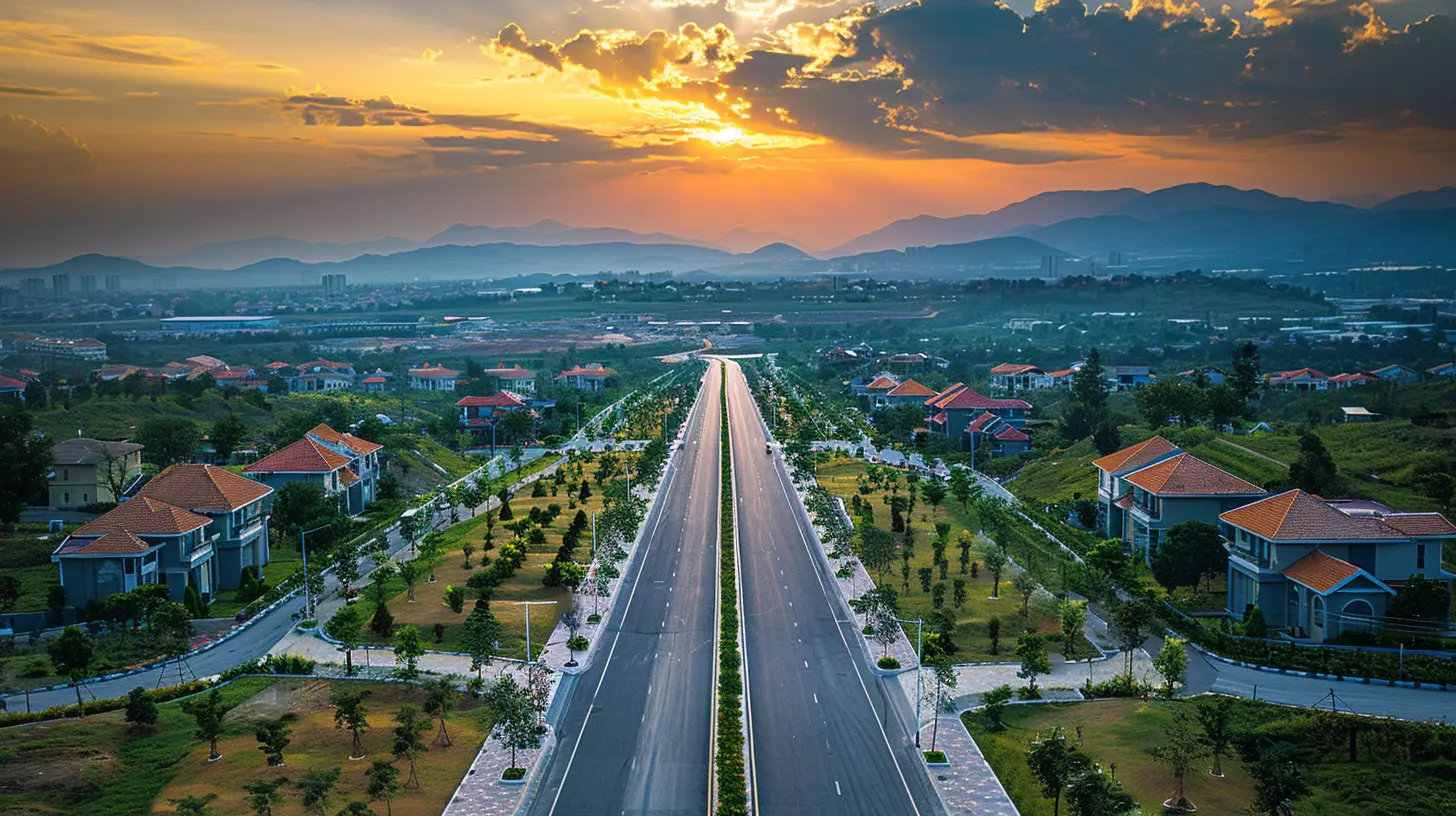
Before we go any further, let’s be clear about what we mean by infrastructure. We're talking about roads, utilities (electricity, water, sewage), public transport, communication networks, and even green spaces. Basically, it's the stuff that makes land functional and livable.Think of infrastructure as the veins of a city—without it, nothing can flow. No roads mean no access. No utilities mean no livability. And no communication networks? Well, good luck running a business or even sending a simple text message.
The Backbone of Economic Growth
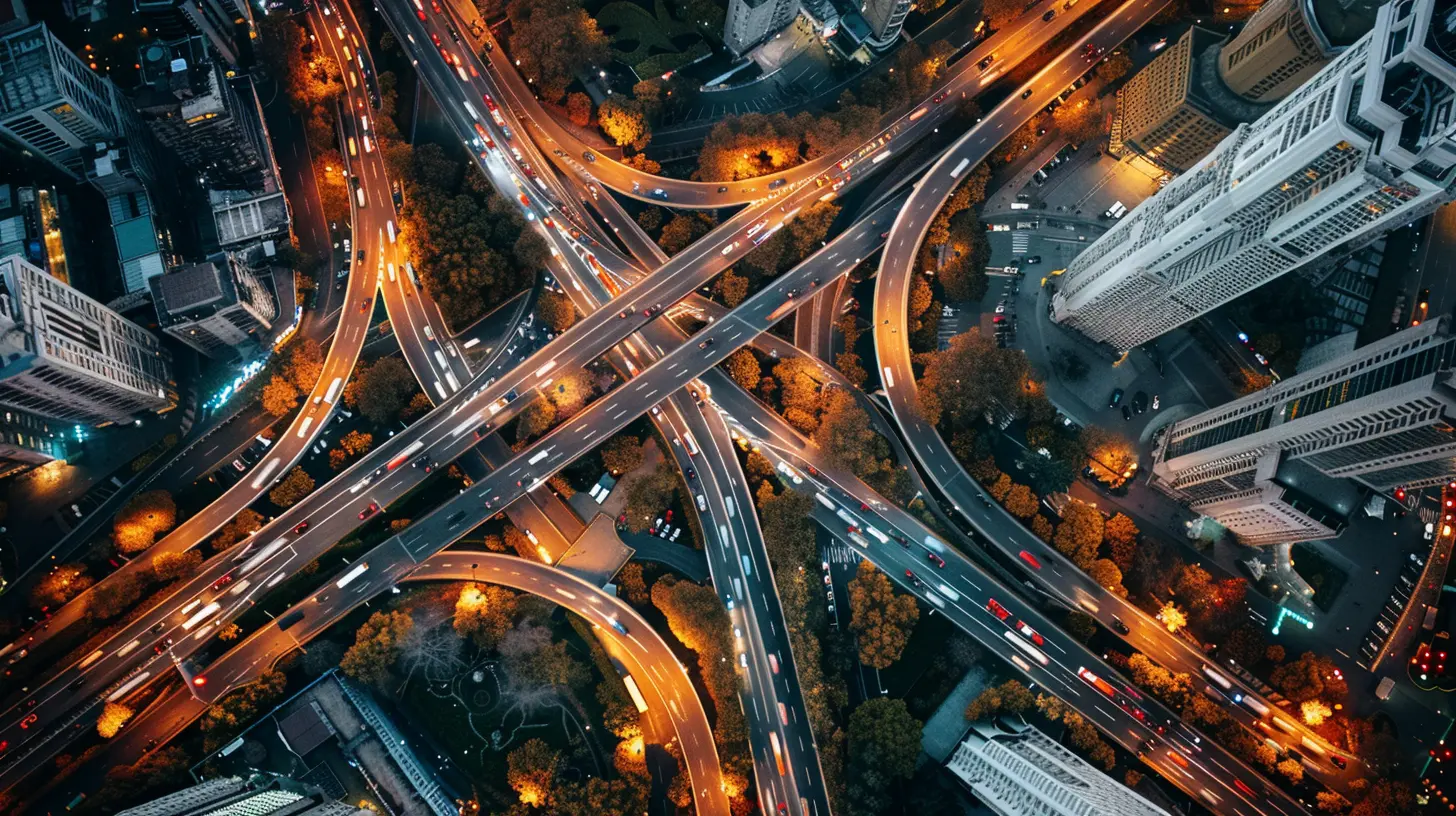
If land development is the body, infrastructure is the spine. Without it, land remains just that—land. But with the right infrastructure in place, a barren piece of dirt can transform into a thriving, bustling community.1. Boosts Property Value
Real estate 101: location matters. But you know what matters just as much? Accessibility. No one wants to buy land or property in an area where getting in and out is a nightmare.- Roads and highways make commuting easier.
- Public transport systems increase connectivity.
- Good sewage and drainage reduce flooding risks (because no one enjoys wading through knee-deep water in their own backyard).
When all these things are in place, property values soar. Developers can sell at a premium, and investors see a higher return. It's a win-win.
2. Attracts Businesses and Investors
Imagine you’re a business owner scouting for a new location. What’s on your checklist? Probably things like:- Easy road access for delivery trucks.
- Reliable electricity and water supply.
- High-speed internet connection.
No business will set up shop in an area lacking basic infrastructure. And when businesses move in, they bring jobs, economic activity, and even more investment in the community. Infrastructure is like bait for economic growth—it lures in businesses and keeps them hooked.

The Role of Government in Infrastructure Investment
Alright, let's talk about the elephant in the room: who pays for all this? Infrastructure investment doesn't come cheap, and it’s often a mix of public and private funding that makes it happen.1. Public Sector Investments
Governments play a huge role in infrastructure development. They build highways, expand public transit, construct water treatment plants, and ensure that cities have the necessary utilities.But here’s the catch—government budgets are limited. There's always a tug-of-war between priorities, and sometimes infrastructure projects get delayed for years (or even decades).
2. Private Sector Involvement
To bridge the gap, private investors and real estate developers often step in. Many developers build roads, install utilities, and even fund public spaces in exchange for zoning incentives, tax benefits, or long-term leases.Think about gated communities—developers handle infrastructure within the estate, creating roads, security systems, and drainage. The result? A ready-to-live-in, highly desirable residential area.

Why Cutting Corners on Infrastructure is a Disaster Waiting to Happen
Some developers try to skimp on infrastructure costs, thinking they can save a few bucks. Spoiler alert: this never ends well.1. Poor Planning Leads to Chaos
Ever been to a town where traffic is an absolute nightmare? Chances are, poor infrastructure planning is to blame. Without proper road networks, even a small town can become a nightmare to navigate.2. Unreliable Utilities Make Life Miserable
Picture this: you move into your dream home, only to realize the power goes out every other day, and the water pressure is non-existent. Not exactly ideal, right? Inadequate infrastructure can turn a promising development into a ghost town in record time.3. Environmental Disasters Could Be Lurking
Neglect drainage systems, and you’ll have a flood zone rather than a neighborhood. Ignore waste management, and soon enough, you’ll be dealing with pollution issues. Proper infrastructure isn’t just about convenience—it’s about sustainability.Smart Infrastructure: The Future of Land Development
Now, let’s talk about the future. Gone are the days when infrastructure was just about roads and utilities. Today, technology plays a huge role in shaping modern infrastructure investments.1. Smart Cities and Digital Infrastructure
The cities of tomorrow are integrating smart infrastructure—think Wi-Fi-enabled public spaces, smart traffic lights, and automated waste management systems. Developers who invest in these futuristic elements are setting themselves up for long-term success.2. Sustainable and Green Infrastructure
Sustainability is no longer optional. Green buildings, solar-powered streetlights, and rainwater harvesting systems are becoming standard in modern developments. Not only does this help the environment, but it also significantly cuts long-term costs.3. Public-Private Partnerships (PPP)
Governments and private companies are increasingly teaming up to build large-scale infrastructure projects. These partnerships speed up development, split costs, and bring expertise from both sectors together.
Final Thoughts
If you take one thing away from this article, let it be this: infrastructure investment is non-negotiable for successful land development. Without proper roads, utilities, and smart planning, even the most promising piece of land remains nothing more than dirt.Whether you're an investor, developer, or just someone eyeing a potential property purchase, always consider infrastructure. Because at the end of the day, a well-developed area doesn’t just hold value—it creates value.
all images in this post were generated using AI tools
Category:
Land DevelopmentAuthor:

Melanie Kirkland
Discussion
rate this article
1 comments
Petra Fuller
Invest in infrastructure or watch your land dreams turn into dust... no thanks!
June 23, 2026 at 3:58 AM
Melanie Kirkland
I understand your concern. Investing in infrastructure is vital for making land projects viable and sustainable. Without it, dreams of development often fade away.