Revitalizing History: Olivet Baptist Church's Ambitious Affordable Housing Project
April 26, 2025 - 12:20
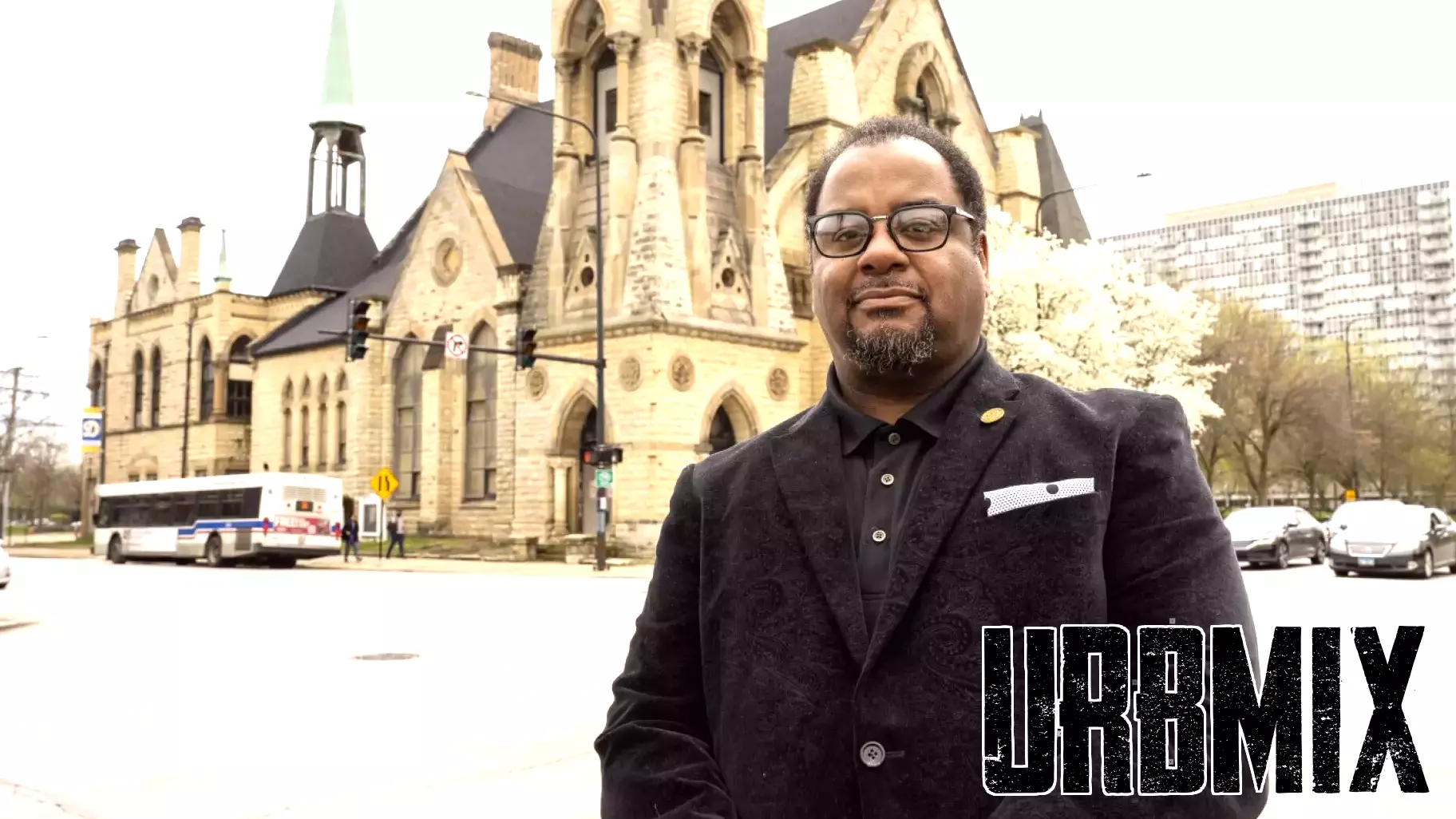
Olivet Baptist Church, a historic institution with a legacy spanning 175 years, is set to embark on an ambitious new chapter by transforming its property into a 366-unit affordable apartment development named Trinity Square. This significant project, estimated to cost approximately $157 million, aims to address the pressing need for affordable housing in the South Side community.
The church, known for its rich history and role in the Underground Railroad, is now pivoting towards real estate development as a means to serve its community in a contemporary context. The proposed Trinity Square development will not only provide much-needed housing but also contribute to the revitalization of the surrounding area.
Community leaders and church officials are optimistic that this initiative will create job opportunities, enhance local amenities, and foster a sense of belonging among residents. As the plans move forward, the church remains committed to its mission of uplifting the community while honoring its historical roots.
MORE NEWS

October 28, 2026 - 02:34
Alexandria Real Estate Equities Q3 Earnings Call HighlightsAlexandria Real Estate Equities reported third-quarter 2026 funds from operations, as adjusted, of $1.54 per diluted share. The life-science real estate investment trust reaffirmed the midpoint of...

October 27, 2026 - 05:28
Mel Robbins' Homes: From a Massachusetts Farmhouse to a Vermont Family RetreatThe bestselling author behind `The Let Them Theory` spent years raising her family outside of Boston before relocating to Southern Vermont. Her real estate journey reflects the same themes she...

October 26, 2026 - 06:40
Autodesk Pushes Unified Platform for Project DeliveryAutodesk is making a significant strategic move toward consolidating project delivery around a single platform. With Autodesk Forma, the company is linking planning, design, construction, and...
October 25, 2026 - 22:28
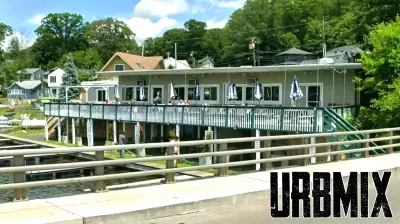
Patrick's Pub On Lake Hopatcong Listed For SaleA longstanding waterfront restaurant and bar on Lake Hopatcong has hit the market with an asking price of nearly $1.5 million, giving a prospective buyer the opportunity to acquire a turnkey...