Santa Fe's Architectural Identity Under Scrutiny: Preservation vs. Progress
May 31, 2026 - 01:44
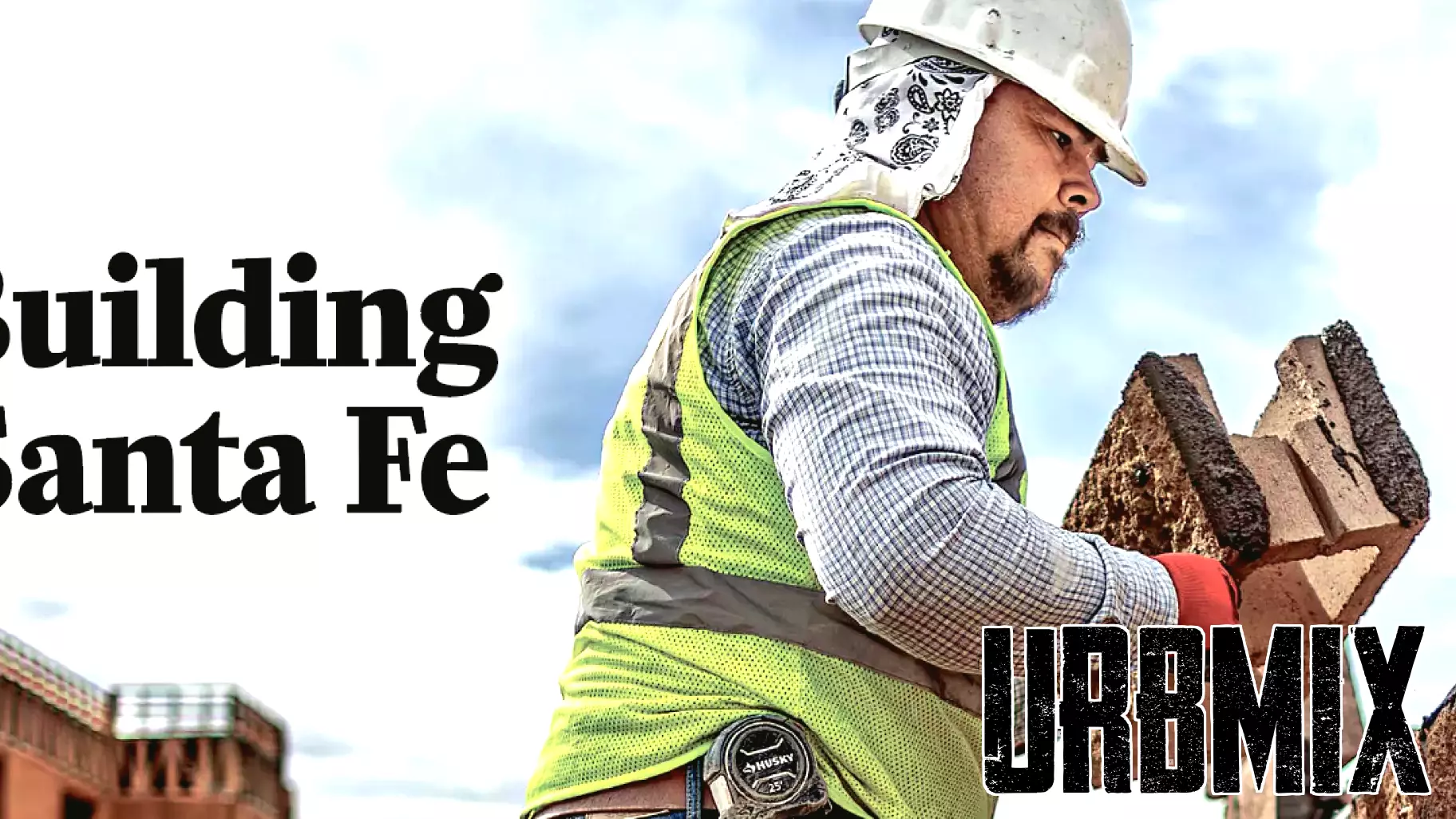
Lately, Santa Fe has been wrestling with a familiar but increasingly urgent set of questions about preservation, housing, architectural continuity, and the future role of historic review. These discussions have surfaced in recent reporting and editorials on ordinance reform, the kind of debate that pits the city's cherished visual identity against the pressing need for more homes.
For decades, Santa Fe has enforced a strict building code that requires new construction to mimic the old. The adobe look, the flat roofs, the earth tones, the vigas and latillas, the coyote fencing. It is a style that was codified in the 1950s, long before anyone called it an "architectural style." Back then, it was simply a way to protect the city's unique character from the creeping homogenization of postwar America. But now, critics argue that this rigid adherence to a single aesthetic is stifling innovation, driving up construction costs, and making it nearly impossible to build affordable housing.
The tension is palpable. On one side are preservationists who see the historic review process as the last line of defense against a city that could easily lose its soul to generic strip malls and glass boxes. On the other are housing advocates and architects who argue that the current rules are a form of aesthetic zoning that prioritizes tourism over the needs of the people who actually live there. They point to the fact that a family hoping to build a modest, energy-efficient home can be forced to spend thousands of dollars on decorative elements that serve no purpose other than to match a 70-year-old ordinance.
The city council is now considering reforms that would loosen some of the strictest requirements, particularly in areas outside the historic core. The proposed changes would allow for more modern materials and designs, as long as they are "compatible" with the surrounding neighborhood. But what does "compatible" mean? That is the question that has everyone talking. Some worry that the new language is too vague and will lead to a slow erosion of the city's character. Others believe it is a necessary compromise that will allow Santa Fe to grow without becoming a museum.
The outcome of this debate will likely shape the city for generations. It is not just about buildings. It is about whether a place can honor its past while making room for its future.
MORE NEWS
October 13, 2026 - 01:57
AREA15 developer pitches Las Vegas NBA arena, gets mayor’s supportA family-owned real estate firm is pitching its AREA15 site as a possible home for a future NBA arena and entertainment district, with Mayor Shelley Berkley and other city officials signaling early...

October 12, 2026 - 08:59
Seoul Investment Promotion Foundation Pursues European Real Estate InvestorsThe Seoul Investment Promotion Foundation is stepping up efforts to attract global investment after successfully holding tailored, one-on-one meetings with around 100 companies at a major European...
October 11, 2026 - 17:02
Plano Home on Harris Lane Fetches $317,500 in Late September SaleA single-family residence at 3404 Harris Lane in Plano changed hands on Sept. 25 for $317,500, according to a deed filed with local property records. The three-bedroom house adds another data point...
October 11, 2026 - 10:41
Single-family home sells for $435,000 in YorkvilleA single-family house in Yorkville was sold on Oct. 1 for $435,000. The property deal adds another data point to the local housing market as buyers continue to weigh inventory and pricing across...