The Changing Face of the Starter Home in the Late 2020s
1 November 2026
The starter home used to be a simple promise. A small house on a quiet street. A fixer-upper with good bones. A first rung on the ladder, modest but reachable. That promise has been rewritten. By the late 2020s, the starter home is no longer a single product with a single shape. It is a shifting idea, reshaped by prices, by lending, by how we work, and by a generation that refuses to wait for permission to own something.
What follows is a field guide to that shift. Not a forecast dressed as fact, but a practical map of the trade-offs buyers, sellers, and builders now face. The starter home did not disappear. It changed its face. Understanding that new face is the difference between a sound first purchase and an expensive lesson.
What "Starter Home" Means Now
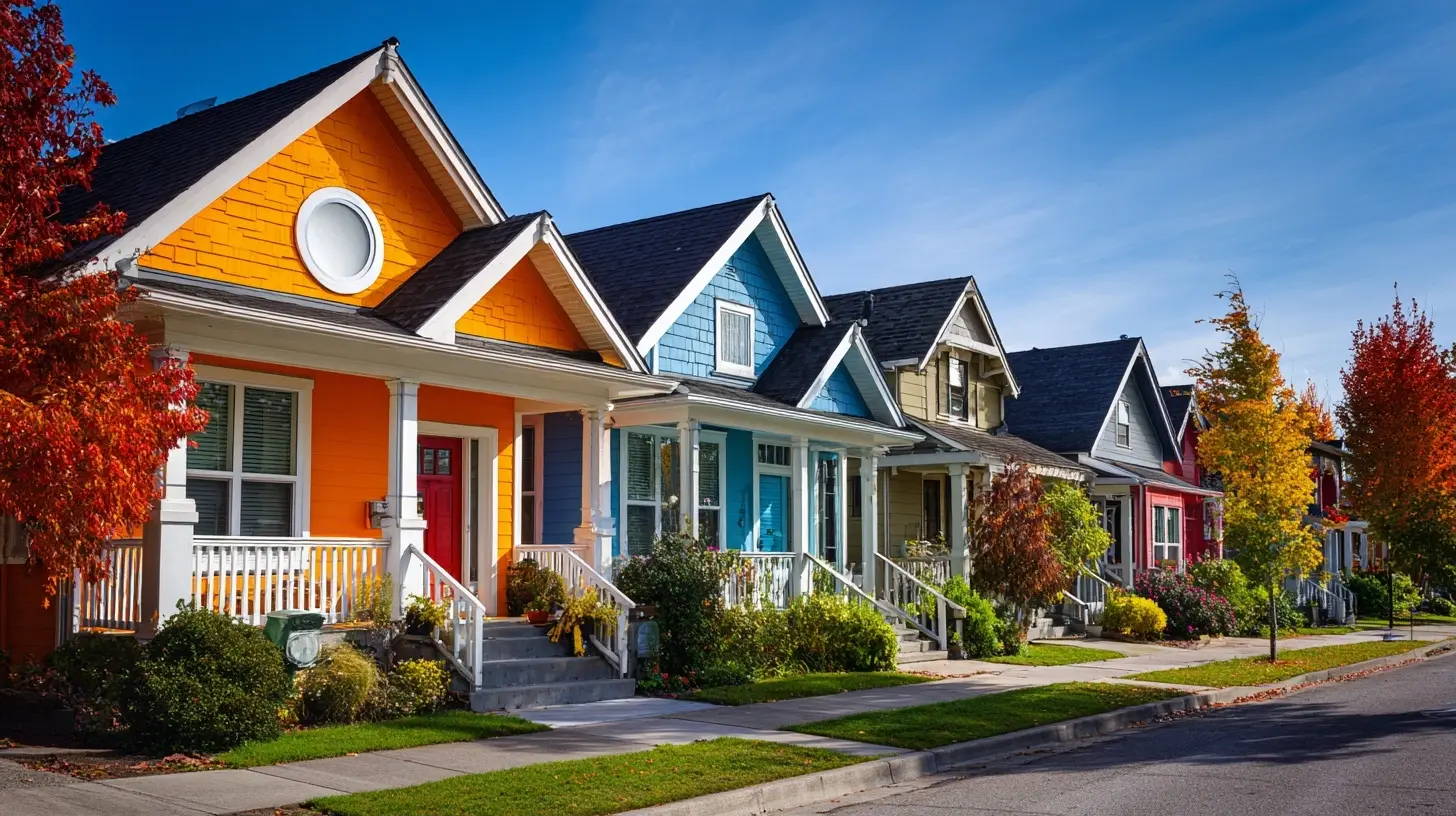
For decades the term carried a fairly stable meaning: a smaller, older, or peripheral property bought by a first-time buyer with the intention of trading up within five to seven years. The house was a stepping stone. Its value came as much from its role in a sequence as from its walls.That sequence has broken in many markets and bent in others. Three forces did the bending.
First, price. In many metros the entry point has moved beyond what a single median income can carry, which pushes buyers toward smaller units, longer commutes, or shared ownership arrangements.
Second, the cost of money. Higher borrowing costs than the previous decade changed what buyers can afford and, just as importantly, changed the math on trading up. When selling and rebuying both carry expensive financing, the stepping stone becomes a place people stay longer.
Third, the way we live. Remote and hybrid work loosened the tie between home and office. A spare room is now an office. A garage is a studio. Buyers evaluate square footage differently than they did when the commute ruled the day.
The result is a starter home that is less a fixed category and more a set of trade-offs. It might be a smaller house farther out. It might be a townhouse or a condo. It might be a manufactured home on owned land. It might be a co-buying arrangement among friends or family. Each version solves a different problem and creates a different one.
The Affordability Squeeze and the Shrinking Footprint
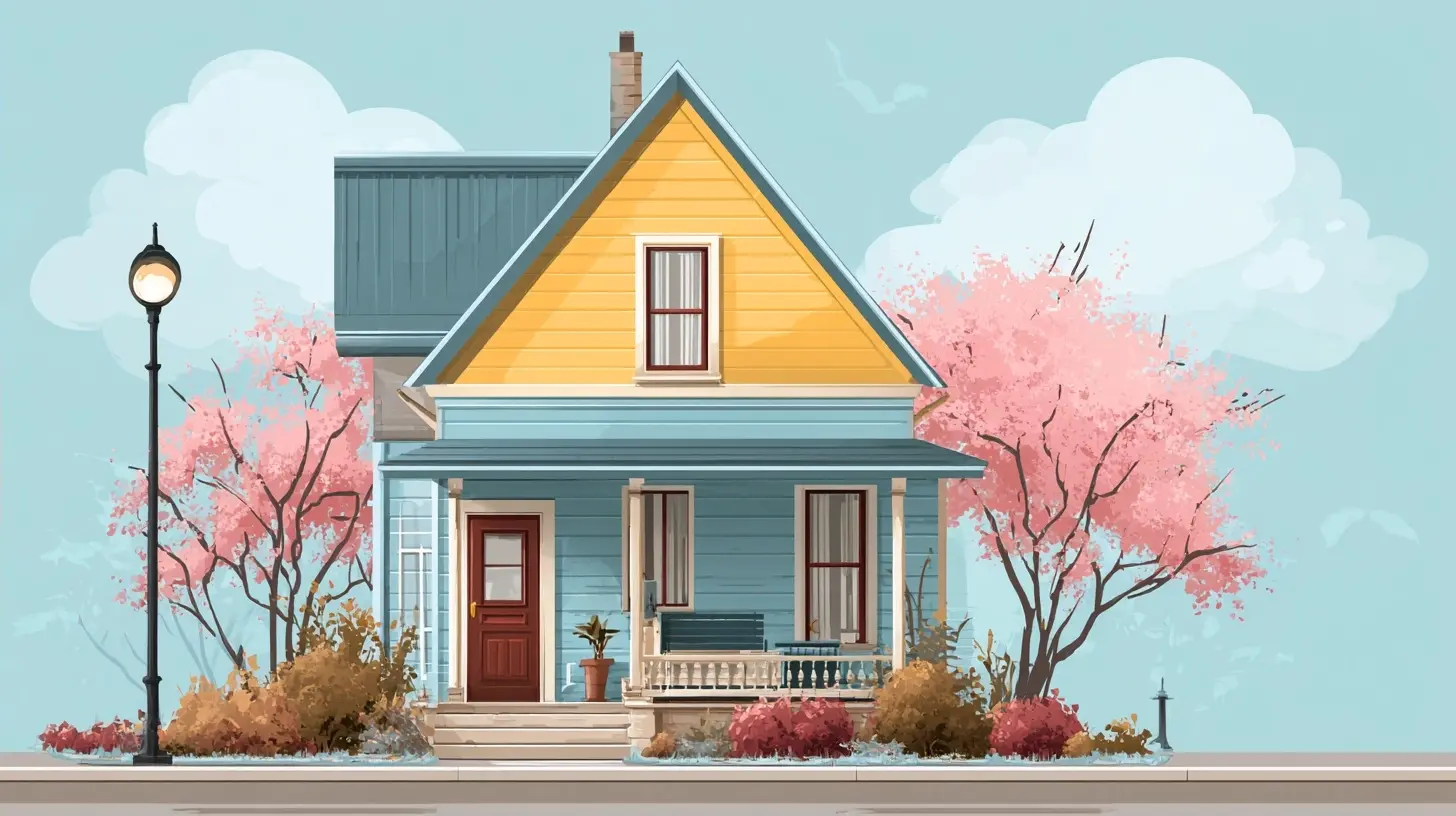
The most visible change is size. Entry-level homes have been getting smaller in many new builds, and older small homes have become more valuable precisely because they are small. This is not nostalgia. It is arithmetic.When land, materials, labor, and financing all rise, builders protect their margins by trimming square footage and simplifying finishes. A smaller house at a reachable price sells faster than a larger house nobody can finance. Buyers, in turn, accept less space in exchange for a foothold.
But smaller is not automatically better, and this is where many first-time buyers stumble. A 900 square foot house works beautifully for a couple who treats it as a launchpad. It becomes a cage for a family of four who bought it planning to "make it work." The question to ask is not "Is this small enough to afford?" but "Is this large enough for the life I will actually live here, not the life I imagine?"
> A starter home is not a compromise on quality of life. It is a deliberate match between space and stage. Get the stage wrong and the house will feel wrong no matter how good the price.
There is also a hidden cost to the shrinking footprint: storage and flexibility. Small homes often lack a garage, a basement, or a second bathroom. Those omissions are cheap to build and expensive to add later. A buyer who needs a home office and a guest room in 900 square feet is really shopping for 1,200 square feet. Better to know that before the offer than after the closing.
Location Versus Space: The Trade-Off That Defines the Decade
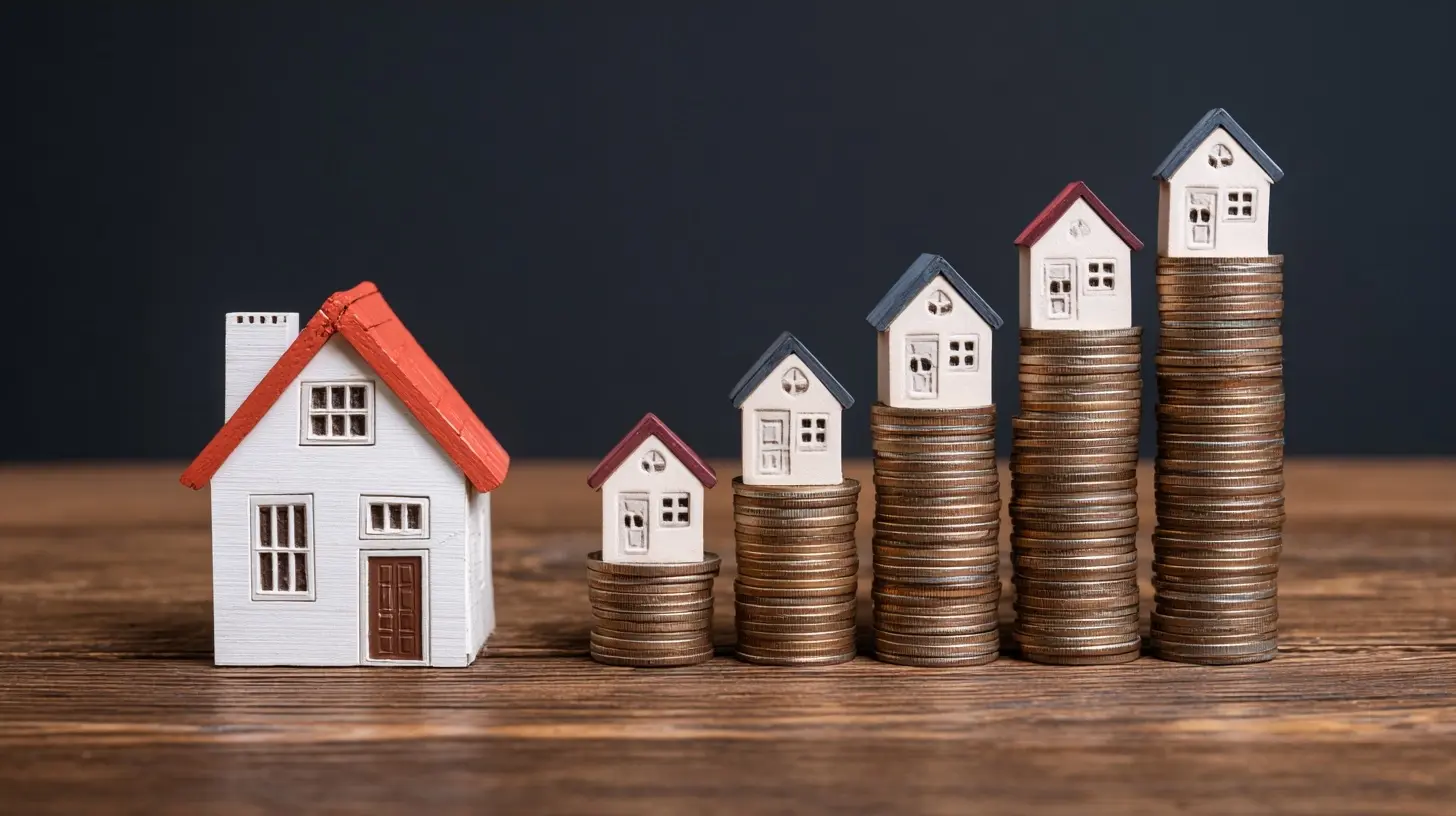
Every starter buyer faces the same fork. Buy smaller and closer, or larger and farther out. The late 2020s have made this fork sharper because commuting patterns are less predictable and because peripheral markets have their own risks.The case for closer and smaller rests on resilience. Close-in locations tend to hold value better in downturns because demand is deeper and more diverse. They also reduce transportation costs, which are a real and often underestimated part of the monthly budget. A house that saves two hours of driving each day is worth more than its price tag suggests.
The case for farther and larger rests on space and lifestyle. A bigger house with a yard can support a growing family and a home office without cramming. But peripheral markets can be more volatile. When demand cools, the farthest suburbs often feel it first. And the commute you tolerate at 30 may become unbearable at 40, or may vanish entirely if your employer changes its policy.
A useful test: price the commute. Add the annual cost of fuel, transit, vehicle wear, and the value of the time. Then ask whether the extra space is worth that sum. Many buyers are surprised by the answer. Some find the farther house is genuinely cheaper overall. Others find it is not.
There is a third path that has grown more common: the "drive until you qualify" strategy paired with a plan to rent out a room or an accessory unit. This can work, but only where local rules allow it and where the rental demand is real. Check zoning and any homeowner association rules before you count on rental income to make the numbers work.
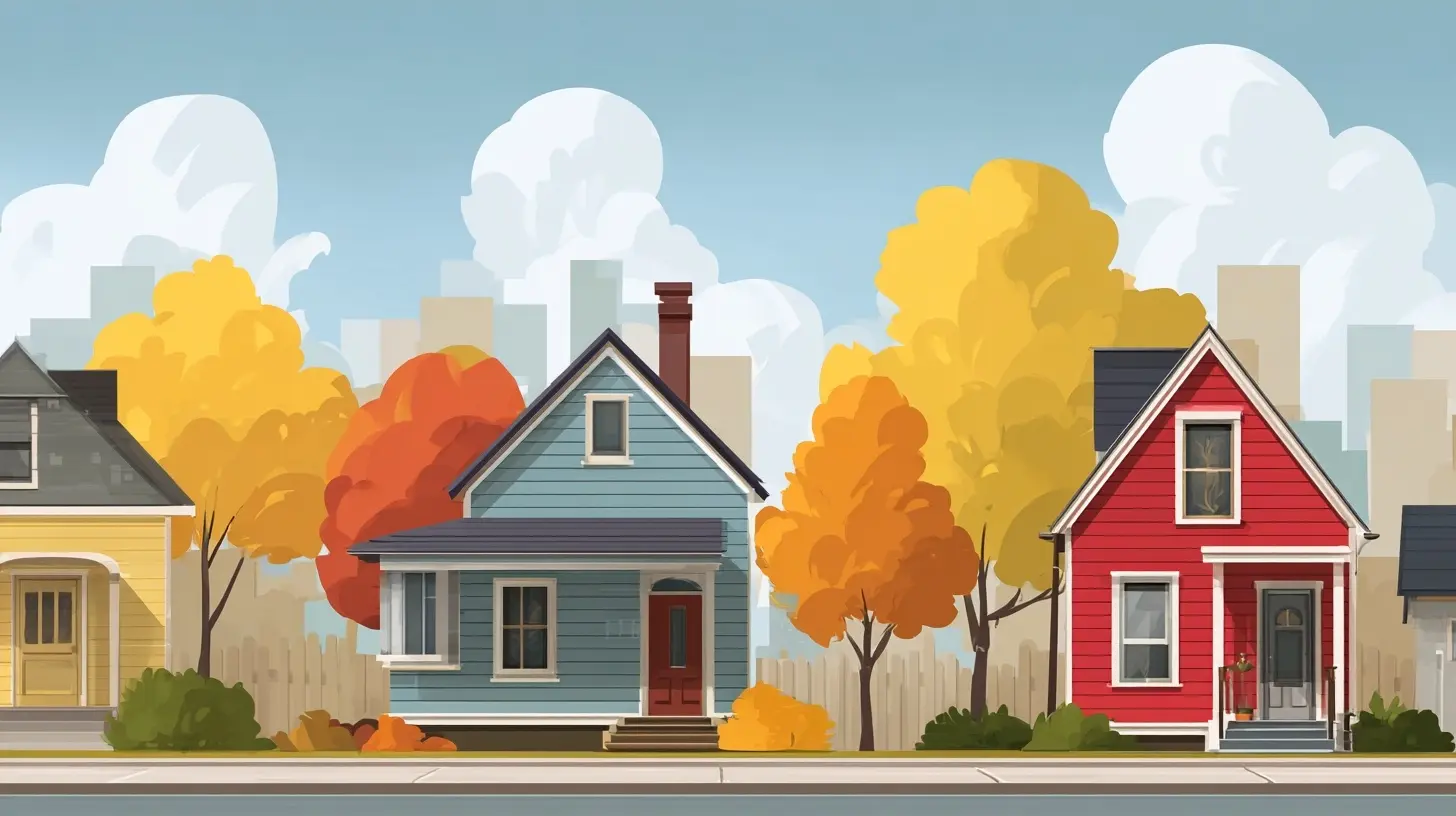
The Rise of Alternative Starter Homes
The single-family house is no longer the only credible first purchase. Several alternatives have moved from niche to mainstream, each with a distinct profile of advantages and risks.Townhouses and Rowhomes
Townhouses offer a middle ground. You get more space than a condo, less yard maintenance than a detached house, and often a lower price than a comparable single-family home nearby. The trade-offs are shared walls, association fees, and sometimes limited parking.Townhouses work well for buyers who want ownership without the full burden of exterior maintenance. They work less well for buyers who need privacy, a large yard, or the freedom to modify the exterior. Read the association documents carefully. Rules about rentals, pets, and exterior changes can shape your experience more than the floor plan does.
Condominiums
Condos remain the most accessible entry point in many expensive metros. They offer low maintenance, amenities, and central locations. But they carry association risk. A poorly managed association with thin reserves can produce special assessments that dwarf the savings on the purchase price.Before buying a condo, review the budget, the reserve study, and the meeting minutes. Look for signs of deferred maintenance and for a board that plans rather than reacts. A healthy association is worth a premium. A troubled one is a liability you cannot fix alone.
Manufactured Homes on Owned Land
A manufactured home placed on land you own can be a genuinely affordable starter option, especially outside dense metros. The key phrase is "on owned land." A manufactured home on rented land carries the risk of lot rent increases and park closure, which can erase the equity you thought you were building.Modern manufactured homes are not the trailers of stereotype. They are built to federal standards and can be well finished. The financing can be trickier than a conventional mortgage, and resale markets can be thinner. Buyers should confirm financing options and local resale demand before committing.
Co-Buying and Shared Equity
Co-buying among friends, siblings, or partners has become a practical route to ownership in expensive markets. Shared equity programs, where a public or nonprofit entity retains a stake in the home in exchange for a lower purchase price, have also expanded.Both approaches lower the barrier to entry, and both require unusual care. Co-buying needs a written agreement covering contributions, decision-making, exit, and what happens if someone wants out or stops paying. Shared equity needs a clear understanding of how the resale price is calculated and what restrictions apply. These are not reasons to avoid the arrangements. They are reasons to document them properly.
Financing in a Higher-Rate World
The financing landscape has changed the starter home as much as prices have. When rates were low, buyers focused on the purchase price and treated the monthly payment as an afterthought. In a higher-rate environment, the monthly payment is the whole game.Several practical implications follow.
First, rate sensitivity is higher. A small change in rate moves the payment meaningfully. Buyers should get quotes from multiple lenders and compare the annual percentage rate, not just the headline rate. Points and fees can make a lower rate more expensive over a short holding period.
Second, the breakeven on refinancing matters more. If you expect to move within a few years, paying points to buy down the rate may not pay off. If you plan to stay, it may. Run the numbers for your own timeline rather than assuming.
Third, loan programs designed for first-time buyers deserve a close look. FHA loans, VA loans for eligible veterans, and various state and local assistance programs can reduce down payment requirements or provide closing cost help. They come with conditions, including mortgage insurance in many cases, so compare the total cost rather than the down payment alone.
Fourth, the trade-up math has changed. Selling and buying both cost money, and financing the next home at a higher rate can make the move expensive. This is a major reason starter homes are being held longer. If you buy with the intention to stay a decade, choose a house that can grow with you. If you buy with the intention to move in three years, keep the purchase price and the renovation budget conservative.
Renovation Math: When a Fixer-Upper Makes Sense
The fixer-upper is a classic starter strategy, and it still works, but the margins are thinner than the stories suggest. The appeal is obvious: buy below market, improve, build equity. The risk is equally obvious: the improvements cost more and take longer than planned.A fixer-upper makes sense when three conditions hold. The house has good bones: sound foundation, roof, mechanicals, and structure. The work needed is mostly cosmetic or well understood. And you have the cash, the time, and the tolerance for disruption.
It makes less sense when the needed work is structural, when permits and inspections are likely to be complicated, or when you are relying on the renovation to make the payment affordable. Renovation is not a reliable shortcut to affordability. It is a project with a budget and a schedule, and both tend to grow.
A practical rule: price the house as if the worst plausible repair is needed, then decide whether it is still a good deal. If it is, the upside is real. If it is not, the upside is a hope.
> The best fixer-upper is boring. It needs paint, floors, and a kitchen. The worst is exciting. It needs everything, and the listing photos make it look like an opportunity.
Common Mistakes and Misconceptions
Several recurring errors separate successful starter purchases from painful ones.Mistake one: buying the maximum you qualify for. A lender's approval is a ceiling, not a target. The right number leaves room for maintenance, emergencies, and the rest of your life.
Mistake two: ignoring the full cost of ownership. Taxes, insurance, utilities, association fees, and maintenance are part of the payment. A house that fits the mortgage but not the budget is not affordable.
Mistake three: treating the starter home as a short-term trade. Transaction costs are real. If you might move in two years, the math is different than if you will stay for ten. Be honest about your timeline.
Mistake four: skipping the inspection or waiving contingencies to win a bid. In competitive markets this is tempting. It is also how buyers inherit expensive surprises. If you must compete, compete on price and terms you can afford, not on protections you cannot replace.
Misconception: the starter home is dead. It is not. It has fragmented into multiple forms. The single-family entry house still exists, but it shares the stage with townhouses, condos, manufactured homes, and shared arrangements.
Misconception: renting is always wasted money. Renting buys flexibility and avoids maintenance risk. For some buyers at some stages, renting while saving is the smarter path. Ownership is a tool, not a virtue.
Practical Checklist Before You Buy
A starter purchase rewards preparation. Before you make an offer, work through these questions.- What is my realistic timeline in this home? Three years, seven years, or longer?
- What is the all-in monthly cost, including taxes, insurance, utilities, association fees, and a maintenance reserve?
- Does the home fit my actual life, including work arrangements and family plans, not an imagined future?
- What are the risks in the location: commute changes, new development, flood exposure, school redistricting?
- If it is a condo or townhouse, how healthy is the association?
- If it is a fixer-upper, what is the worst plausible repair, and can I afford it?
- If I am co-buying or using shared equity, is the agreement in writing and reviewed by someone who represents my interests?
- Have I compared at least three financing options, including assistance programs I may qualify for?
None of these questions has a universal answer. The point is to answer them for yourself before the pressure of a bidding deadline forces a guess.
What to Watch in the Coming Years
The starter home will keep changing. Several trends are worth watching because they shape the choices buyers will face.The first is the conversion of commercial space to residential use in many cities. If it proceeds at scale, it could add supply in central locations, though the units may be small and the process slow.
The second is the continued evolution of work patterns. If hybrid work settles into a stable norm, demand for home office space will remain, and the value of a spare room will stay high.
The third is the maturation of shared equity and co-buying arrangements. As these become more common, the legal and financial infrastructure around them should improve, making them safer for ordinary buyers.
The fourth is the cost and availability of insurance in climate-exposed areas. This is already reshaping where starter homes are viable and at what price. Buyers should treat insurance cost and availability as a first-order question, not an afterthought.
The Face Behind the Change
The starter home in the late 2020s is not a diminished thing. It is a more honest one. It asks buyers to be clear about what they need, what they can afford, and how long they intend to stay. It rewards preparation and punishes wishful thinking.The old promise was simple because the market was simpler. The new promise is more complex, but it is still a promise: a first purchase that fits your life, financed on terms you understand, in a place that can hold you for as long as you need it. The face has changed. The opportunity has not.
all images in this post were generated using AI tools
Category:
Housing Market TrendsAuthor:

Melanie Kirkland