The Growing Appeal of Mixed-Use Communities in the Housing Market
26 October 2026
Mixed-use communities have moved from the margins of urban planning to the center of residential real estate strategy. Walkable town centers with apartments above shops, office space beside restaurants, and public plazas that double as event venues are no longer novelty projects in a handful of progressive cities. They are appearing in suburbs, secondary cities, and even rural areas across the country. Buyers and renters increasingly ask about walkability, nearby amenities, and a sense of place before they ask about square footage. Developers have noticed. So have municipalities, lenders, and investors.
But the appeal of mixed-use living is not universal, and the model is not without real costs and risks. This article examines why mixed-use communities are gaining ground, how they actually work in practice, what distinguishes a well-executed project from a poorly conceived one, and what buyers, renters, developers, and local officials should consider before committing to this approach.
What Mixed-Use Really Means
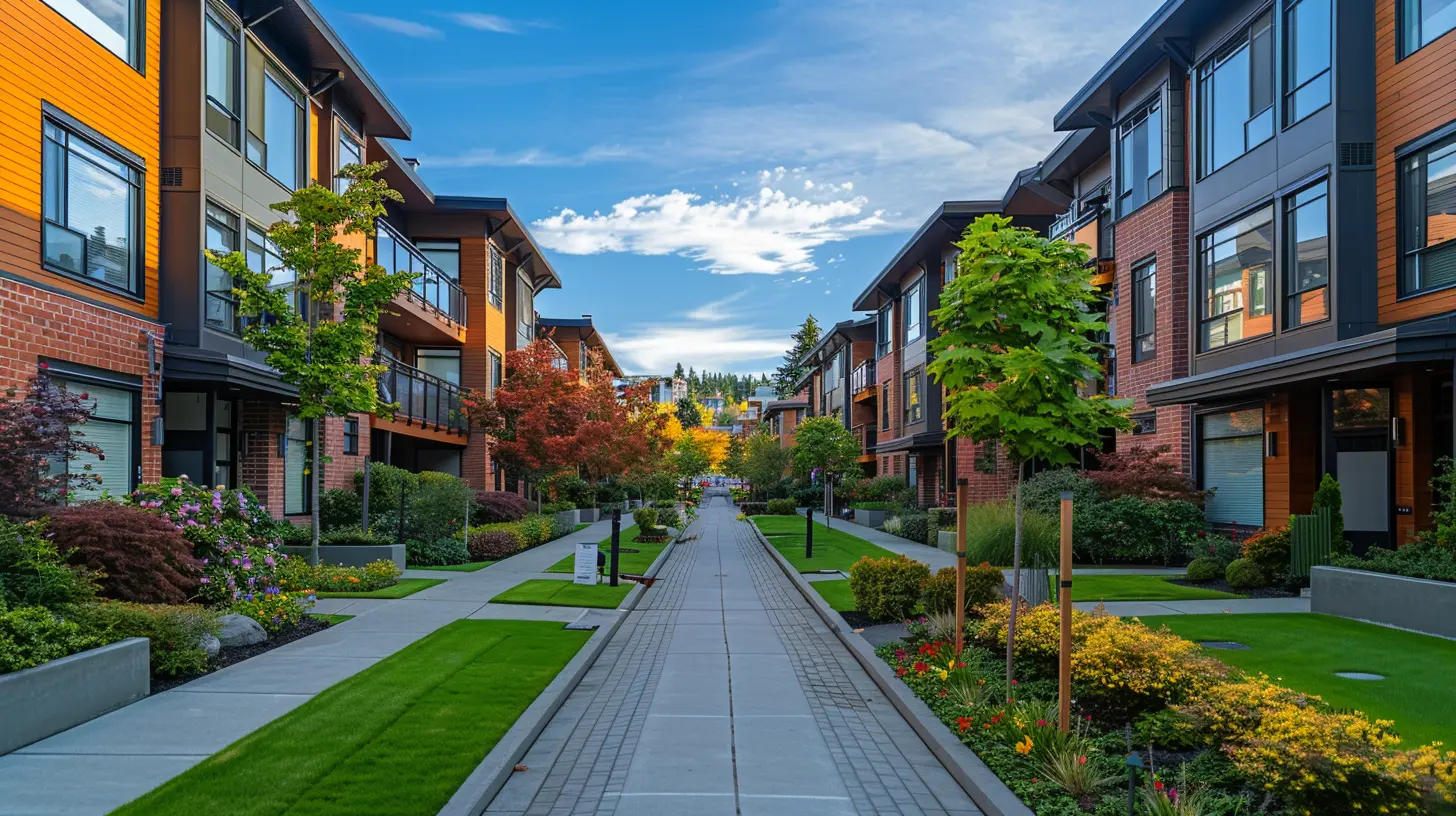
The term "mixed-use" gets applied loosely. In planning terms, it typically refers to a development that combines two or more revenue-generating uses on the same site or within the same building: residential, retail, office, hospitality, civic, or light industrial. The combinations vary widely, and the distinctions matter.A vertical mixed-use building places different uses on different floors, often retail at street level, offices or parking in the middle, and apartments or condos above. A horizontal mixed-use district spreads uses across separate buildings within a walkable footprint. A true mixed-use community goes further, integrating public space, pedestrian infrastructure, and often a deliberate programming component such as farmers markets, outdoor concerts, or community rooms.
The distinction between a mixed-use building and a mixed-use community is important. A single building with a coffee shop downstairs and apartments upstairs technically qualifies as mixed-use, but it does not create the neighborhood-level benefits that drive the current demand. The community-scale version, where residents can walk to groceries, restaurants, services, and often transit, is what most buyers and renters mean when they say they want mixed-use living.
Why Demand Is Rising
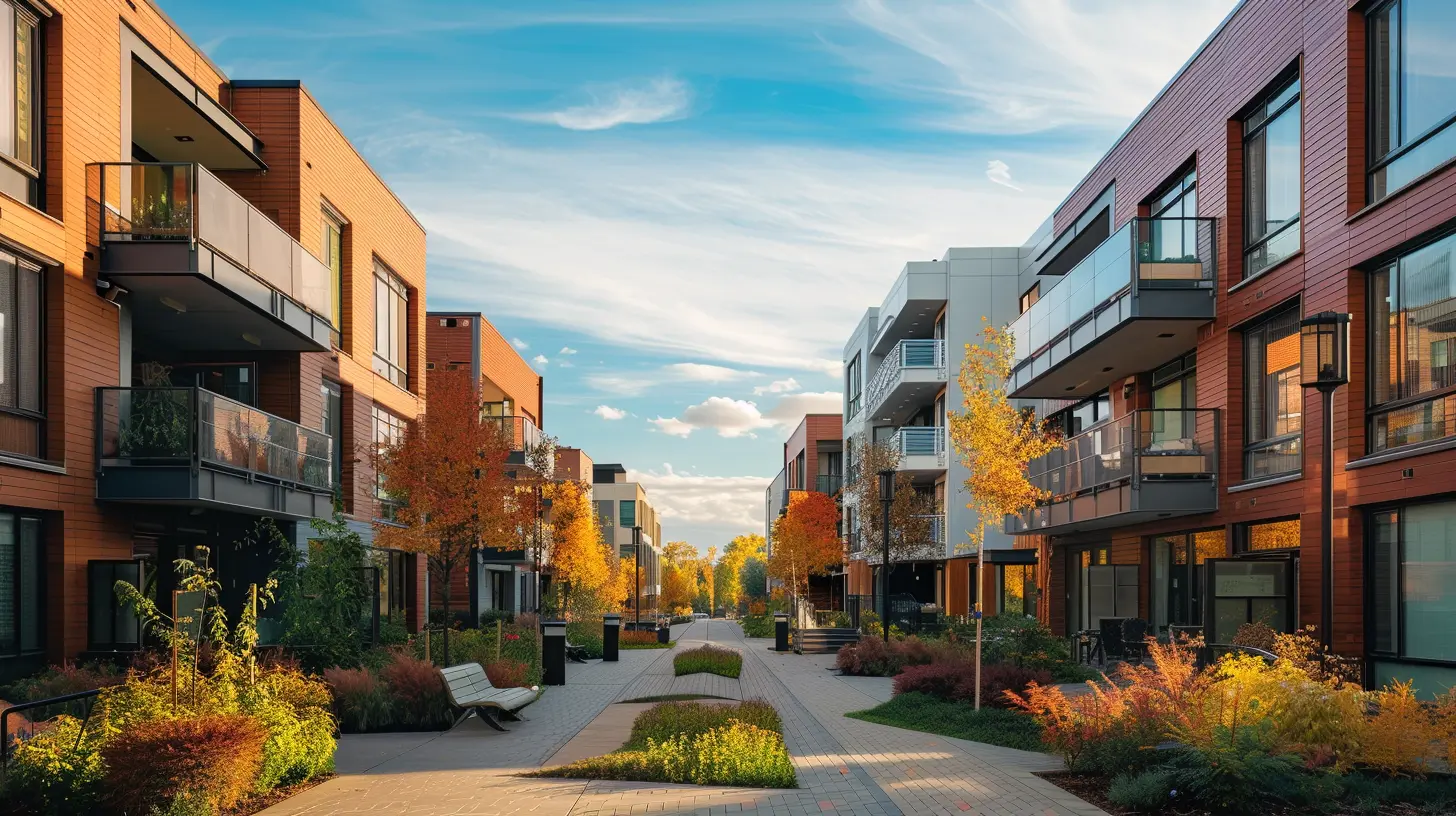
Several forces are converging to push mixed-use communities into the mainstream.Changing Household Composition
Households are smaller and more diverse than they were a generation ago. Single-person households, couples without children, and older adults looking to downsize make up a growing share of the market. These groups often prioritize location, convenience, and low-maintenance living over large yards and separate rooms. A walkable community with services nearby fits their daily life better than a conventional subdivision.The Convenience Premium
Time is the scarcest resource for many working households. Mixed-use communities reduce the friction of daily errands. Being able to walk to dinner, pick up groceries, or drop off dry cleaning without moving a car has measurable value, and buyers increasingly price that convenience into their decisions. This is not just a lifestyle preference. It is a practical calculation about how many hours per week a household spends in transit.Remote and Hybrid Work
The shift toward remote and hybrid work has changed what people want from their neighborhoods. When the commute happens three days a week instead of five, the calculus of where to live shifts. Proximity to a co-working space, a quiet cafe, or a library can substitute for a home office. Some households are willing to trade a longer occasional commute for daily walkability.Municipal Interest in Fiscal Efficiency
Local governments increasingly favor mixed-use development because it uses infrastructure more efficiently. A single block with housing, retail, and offices generates tax revenue across multiple categories while sharing roads, utilities, and public services. Sprawl, by contrast, requires expensive extension of water, sewer, and roads to serve low-density development. Many municipalities have rewritten zoning codes specifically to encourage mixed-use projects, and some offer density bonuses, expedited review, or tax abatements to attract them.Investor Appetite for Diversification
From a capital markets perspective, mixed-use assets offer diversification that single-use properties cannot. Retail income, office income, and residential income respond to different economic cycles. In theory, this smooths cash flow. In practice, the diversification benefit depends heavily on execution, and poorly integrated projects can concentrate risk rather than spread it.
The Benefits, Examined Honestly
The case for mixed-use communities rests on several well-documented advantages, but each comes with conditions.Walkability and reduced car dependence. When daily needs are within a short walk, households can own fewer cars or none at all. This reduces transportation costs, which are often the second-largest household expense after housing. The benefit is real, but it depends on the quality of the pedestrian environment. A mixed-use project surrounded by parking lots and arterial roads delivers far less walkability than its marketing suggests.
Stronger local economies. Mixed-use districts tend to support small, independent businesses because they provide built-in foot traffic and smaller, more affordable retail spaces. This can create a virtuous cycle: distinctive local businesses attract residents, who attract more businesses. The risk is that success drives up rents and pushes out the very businesses that created the appeal, a dynamic often called retail gentrification.
Social connection. Public spaces, shared amenities, and pedestrian-oriented design create opportunities for casual interaction that conventional subdivisions rarely offer. Residents of well-designed mixed-use communities often report stronger neighbor relationships. However, this depends on programming and management. Amenities that sit empty or feel private do not build community on their own.
Resilience to market shifts. A community with diverse uses can adapt as demand changes. A struggling retail corridor might convert to office or residential space. A single-use subdivision or shopping center has fewer options. This adaptability is a genuine advantage in a market where consumer preferences move quickly.
Higher property values over time. In many markets, homes in walkable mixed-use districts have appreciated faster than comparable homes in car-dependent areas. But this is not a guarantee. It depends on the quality of the development, the strength of the local economy, and whether the community is well maintained over time.
The Trade-Offs and Drawbacks
Any honest treatment of mixed-use communities has to address the costs and complications.Noise and privacy. Living above or beside commercial space means exposure to deliveries, customers, music, and late-night activity. Developers can mitigate this with careful design, such as separating residential entrances from commercial ones, specifying sound insulation, and placing quieter uses near housing. But some friction is inherent.
Parking and traffic. Mixed-use communities often reduce parking ratios to encourage walking and transit use. This works well in dense, transit-rich areas. In places with limited transit and a car-dependent surrounding context, inadequate parking can create spillover problems for adjacent neighborhoods and frustration for residents. The right parking strategy depends entirely on context.
Complexity for developers. Mixed-use projects are harder to finance, entitle, and build than single-use projects. They require expertise across multiple product types, more complex phasing, and often longer entitlement timelines. Lenders may be less comfortable with the model, particularly in markets where few comparable projects exist. This complexity is one reason the model has spread unevenly.
Management challenges. A mixed-use community must balance the interests of residents, commercial tenants, and visitors. Conflicts arise over noise, trash, signage, parking, and use of shared space. Effective governance, whether through a master association, a business improvement district, or a professional management company, is essential. Underfunded or poorly structured management is one of the most common failure points.
Risk of overpromising. Marketing materials for mixed-use projects often depict lively plazas and bustling storefronts. In reality, retail leasing takes time, and a new community may have vacant storefronts for months or years. Buyers who expect immediate vibrancy can be disappointed. Developers who overpromise on amenities or timelines risk damaging trust and resale values.
What Separates Successful Projects from Failures
The difference between a thriving mixed-use community and a cautionary tale usually comes down to a handful of factors.Context and Connectivity
The most successful projects are integrated into an existing fabric of streets, services, and transit. A mixed-use island surrounded by parking lots and highways rarely works. Before committing, evaluate what is already within a short walk and how easily the surrounding area can evolve. A project can be a catalyst, but it cannot single-handedly create a walkable district.Right-Sizing the Retail
Retail is the hardest component to get right. Too much retail creates vacancy and financial strain. Too little fails to deliver the convenience that residents expect. Experienced developers study local spending patterns, avoid duplicating what already exists nearby, and design retail spaces that can flex between uses. Small bays, flexible leases, and a mix of service and food tenants tend to outperform large-format retail in community settings.Design That Puts People First
The best projects treat the pedestrian experience as the primary design driver. That means wide sidewalks, safe crossings, street trees, active ground floors, and public spaces that feel comfortable rather than windswept. It also means hiding parking and loading areas where possible. Design decisions at this level determine whether a community feels like a place or a project.Phasing and Patience
Mixed-use communities rarely succeed overnight. Successful developers phase carefully, deliver public spaces early, and invest in programming to activate the district while it matures. They also build in flexibility to adjust the mix of uses as the market reveals what works.Strong Governance
Clear rules, well-funded reserves, and professional management prevent small conflicts from becoming systemic problems. Buyers and renters should review governing documents carefully, including how shared spaces are maintained, how commercial and residential interests are represented, and how disputes are resolved.
Common Mistakes and Misconceptions
Mistake: Assuming mixed-use automatically means walkable. A project can include multiple uses and still be unwalkable if it is designed around cars. Look at the actual pedestrian network, not just the site plan.Mistake: Overlooking the operating budget. Shared amenities and public spaces cost money to maintain. Underfunded associations lead to deferred maintenance and declining appeal. Check reserve studies and association budgets before buying.
Misconception: Mixed-use is only for young professionals. In practice, mixed-use communities attract a wide range of residents, including older adults who value walkability and single-level living, and families who want parks and services nearby. The demographic mix depends on unit types, price points, and amenities.
Misconception: Retail will pay for everything. Retail income can be volatile. Projects that depend on retail rents to subsidize residential operations are vulnerable to vacancy. Sound underwriting treats each component realistically.
Mistake: Ignoring the surrounding neighborhood. A mixed-use project affects and is affected by its context. Traffic, parking, and noise spillover can generate opposition and long-term friction. Early engagement with neighbors and clear mitigation plans reduce these risks.
Practical Guidance for Different Readers
For buyers and renters. Visit at different times of day and on weekends. Talk to current residents about noise, parking, and management responsiveness. Review the association budget and reserve study. Ask what happens if commercial spaces stay vacant. Check the walkability of the surrounding area, not just the project itself.For developers. Underwrite conservatively, phase thoughtfully, and invest in design quality and public space. Build relationships with local officials and neighbors early. Do not overpromise on timelines or amenities. Plan for the long term, because mixed-use communities reward patience and punish shortcuts.
For local officials. Update zoning to allow mixed-use by right where it makes sense. Streamline review for projects that meet clear standards. Invest in the public realm, including sidewalks, parks, and transit, because private projects cannot compensate for missing public infrastructure. Monitor outcomes and adjust policy based on evidence rather than ideology.
For investors. Diversification benefits are real but conditional. Evaluate the sponsor's experience with each component, the strength of the local market, and the quality of management. Stress-test the retail component under vacancy scenarios. Understand that mixed-use assets require active management and are not passive investments.
What to Watch Going Forward
The mixed-use model will continue to evolve. Several trends are worth monitoring. Adaptive reuse of underperforming commercial buildings, such as converting offices or malls into mixed-use districts, is gaining momentum in many markets. Municipalities are increasingly using form-based codes and density bonuses to encourage the model. And consumer preferences, shaped by remote work and changing household structures, continue to favor walkable, amenity-rich neighborhoods.At the same time, affordability remains a central challenge. Successful mixed-use communities can become expensive, and inclusionary policies, community land trusts, and public investment in infrastructure will determine whether the benefits reach beyond higher-income households. The communities that get this right will be more resilient and more politically durable.
Conclusion
Mixed-use communities are not a passing trend. They respond to real changes in how people live, work, and spend their time, and they offer genuine advantages in convenience, economic resilience, and quality of life. But they are not a universal solution, and the model demands careful planning, honest underwriting, and strong management. The projects that succeed are the ones that respect context, design for people, and plan for the long term. For buyers, renters, developers, and officials alike, the key is to look past the marketing and evaluate the fundamentals: walkability, governance, financial sustainability, and fit with the surrounding neighborhood. Those fundamentals, more than any trend, determine whether a mixed-use community thrives.
all images in this post were generated using AI tools
Category:
Housing Market TrendsAuthor:

Melanie Kirkland