Why Tokenized Real Estate Still Hasn’t Taken Off
May 27, 2026 - 07:55
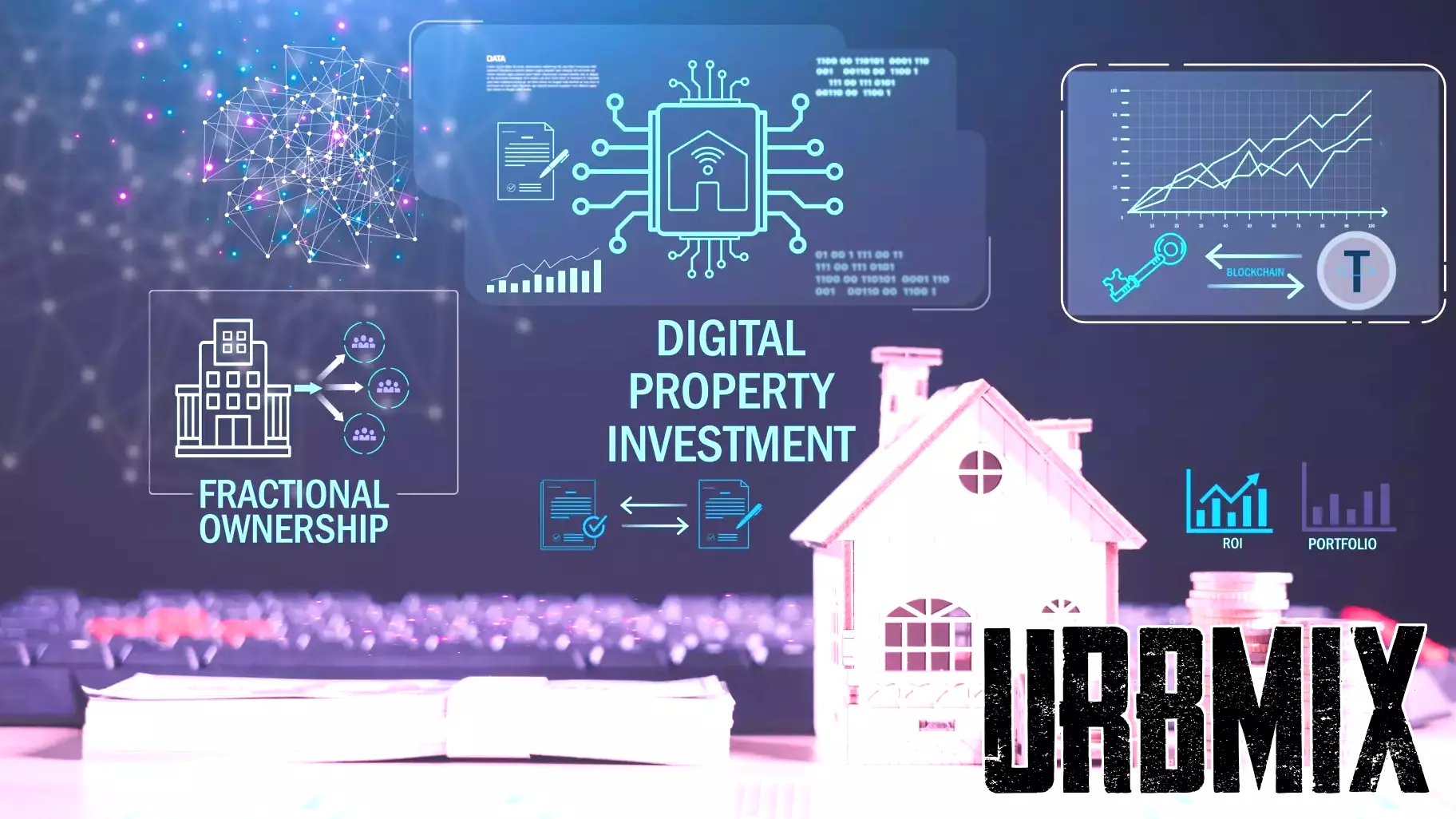
The promise of tokenized real estate once seemed revolutionary. Investors would buy fractions of commercial buildings with the click of a button, trade them like stocks, and collect rental yields automatically through smart contracts. Yet years after the initial hype, the sector remains a niche experiment rather than a mainstream asset class. The reason is not a lack of technology, but a lack of credible infrastructure.
For tokenized real estate to work, three core elements must align. First, ownership must be legally enforceable. A token on a blockchain means little if a court does not recognize it as proof of property rights. Most jurisdictions have not updated property laws to accommodate digital tokens, leaving investors exposed to legal gray zones. Second, yield distribution must be transparent and reliable. Smart contracts can automate payments, but the underlying rental income still depends on physical property management, tenant defaults, and maintenance costs. If the real-world cash flow is opaque, the token is just a speculative wrapper. Third, secondary markets need proper regulation. Without regulated exchanges that enforce know-your-customer rules and investor protections, liquidity remains thin and prices become volatile.
Some projects have tried to solve these issues by partnering with licensed brokers or using special purpose vehicles to hold the title. But these workarounds add cost and complexity, eroding the efficiency that tokenization was supposed to bring. Institutional investors, who could provide the scale needed for a liquid market, have stayed on the sidelines. They require clear tax treatment, audited financials, and recourse in case of fraud.
Until these structural gaps are closed, tokenized real estate will remain a proof of concept. The technology works. The market demand exists. But credible adoption demands more than a token. It demands enforceable ownership, transparent yield distribution, and regulated secondary markets that deliver real efficiency and institutional trust. Without that, the revolution will keep waiting.
MORE NEWS
October 10, 2026 - 02:28
Major Banks Adjust Credit Terms for Ares Commercial Real EstateThree major financial institutions have modified their credit agreements with Ares Commercial Real Estate Corporation, according to recent regulatory filings. Citibank, Morgan Stanley, and Wells...
October 9, 2026 - 07:57
Berkshire Area Property Deals: October 9, 2026Real estate activity across the tri-state region held steady this week, with transactions recorded in Berkshire County, Massachusetts, Litchfield County, Connecticut, and Columbia County, New York....

October 8, 2026 - 22:23
Jones Day Adds Real Estate Finance Partner Zena Ho In Los AngelesZena Ho has joined Jones Day as a partner in the firm`s Los Angeles office and its Financial Markets Practice, the firm confirmed this week. Ho centers her practice on real estate and real estate...

October 8, 2026 - 02:48
'Sopranos' Star Steven Van Zandt Tacks Nearly $4 Million Onto Asking Price of Eclectic Greenwich Village PenthouseSteven Van Zandt, known for his role on The Sopranos and his work as a guitarist in Bruce Springsteen`s E Street Band, has increased the asking price of his Greenwich Village penthouse by nearly 4...